








Opinion | The ebb and flow of tariffs and Brazil's new trade map



 By Andréia Adami, macroeconomics researcher at the Center for Advanced Studies on Applied Economics (CEPEA), in Brazil.


The year 2025 was marked by the resizing of US import tariffs in relation to its international partners, which became known as the "tariff hike."
Brazil, of course, was not left out.
Initially, the country appeared at the bottom of the tariff table, with its products suffering an additional 10 percent levy upon entry into the US. But, as most of our competitors in that market suffered higher taxation, Brazilian products gained competitiveness.
However, the relief was short-lived, as a few months later, political noise and disputes added to the trade turmoil, resulting in an increased 50 percent US tariff on Brazilian products, a blow to local exporters and agribusinesses.
As a result of this new, more adverse scenario in US trade policy, the total value of Brazilian exports to the country in October 2025 was 40 percent lower than in July 2025. In the case of agribusiness, revenue in dollars fell by 35 percent, and the volume exported decreased by 41 percent, in the same comparison.
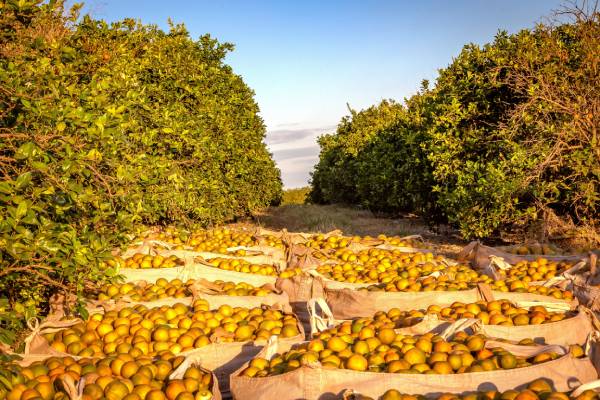
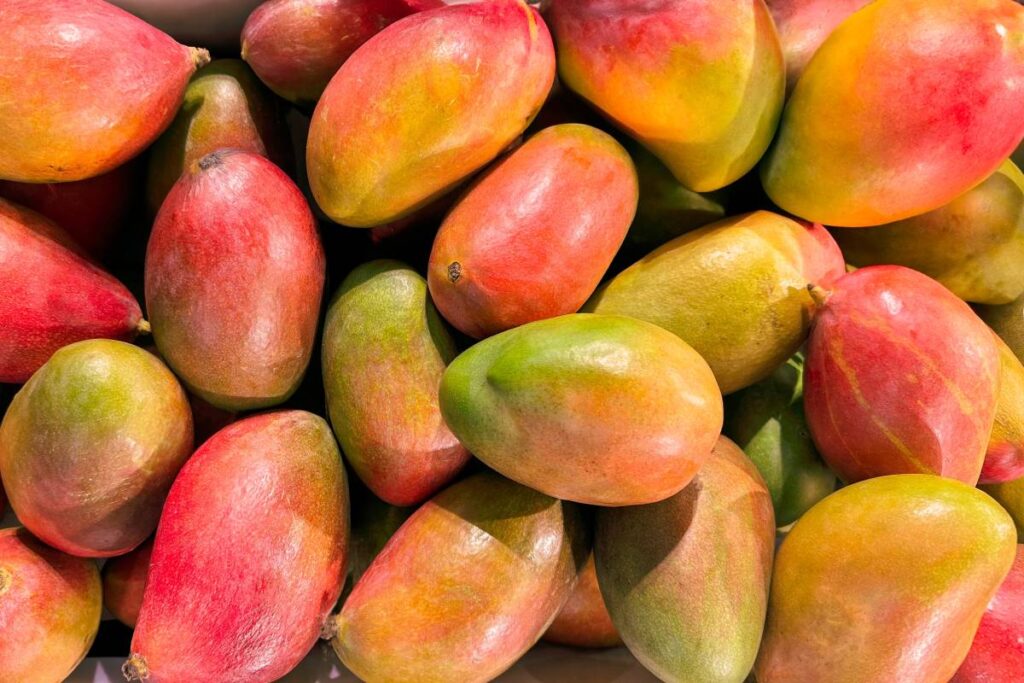
Important products in our export portfolio, such as coffee, wood, beef, fruits, and juices, were severely affected.
Data from the Brazilian Coffee Exporters Council (Cecafé) shows that US purchases of Brazilian coffee fell by 50 percent between August and November 2025, compared to the same period in 2024. The scenario was not much different for exporters of wood, beef, fruits, orange juice, and other products, such as fish and honey, which, despite having a smaller market share, were heavily dependent on the US market.
The Brazilian government rushed to support the affected sectors, mainly by providing credit so they could store their products while seeking new markets, with support from Brazilian institutions such as the Ministry of Agriculture and Apex (Brazilian Trade and Investment Promotion Agency).
Diversification: The key to escaping the brunt of tariffs
Faced with the protectionist actions of the US government, not only Brazil, but all countries affected by its new trade policy had to apply a negotiation strategy long used in financial markets: "Don't put all your eggs in one basket," that is, use diversification of destinations as a risk-reduction strategy, now in the commercial area.

The pursuit of new markets and free trade agreements with Mexico, Canada, India, Japan, and especially the European Union has been essential to fill the gap left by the North American market.
In the case of agribusiness, the result of this effort to conquer new markets can be seen in the growth of the sector's foreign sales in 2025, which were 11 percent to China, nine percent to the European Union, seven percent to Mexico, 13 percent to the United Kingdom, and 38 percent to Argentina. Meanwhile, sales to the US fell by six percent.
And, despite the "chemistry" between our leaders and the recent overturning of the tariff increase by the US Supreme Court, the most important thing is that increased trade relations between countries can be a key element in boosting the growth of their economies, leading to more demand, especially for food.
This column was originally published by CEPEA on February 25, 2026.
*All images are referential.
Related stories
US Supreme Court strikes down IEEPA tariffs, President Trump responds with 15% global levy
US trade policy reversal sparks concern and instability in the global produce market
It's official: US Customs and Border Protection is no longer collecting IEEPA tariffs



Subscribe to our newsletter