Guatemala looks to sweeten mango exports by 2029
 Add Fresh Fruit Portal to Google
Writing and reporting by Macarena Bravo | Lee esta noticia en Español
Following several years marked by the effects of the pandemic and a sustained uptick in input costs, the Guatemalan mango sector is ready to write a new chapter in its history.
Edwin Zaparolli, President of the Guatemalan Mango Committee (AGEXPORT), told FreshFruitPortal.com that the industry plans to increase the export area to between 17,300 and 19,800 acres by the end of the decade.
The executive said Guatemala benefits from a strategic export window, an advantage they’re eager to capitalize on.
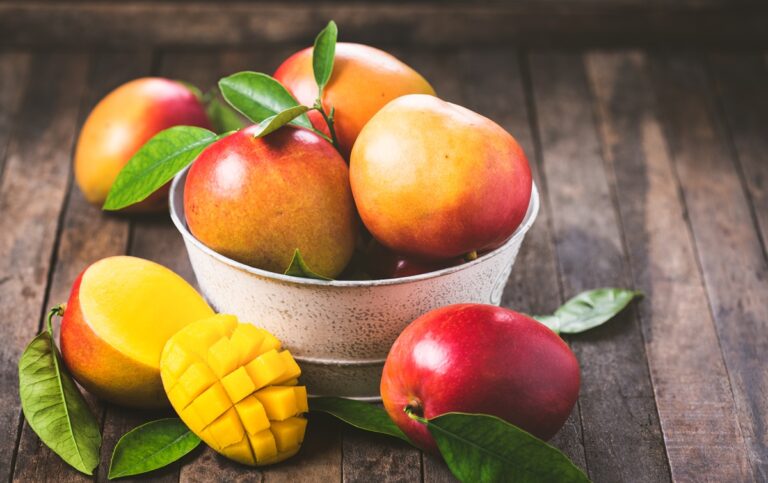
“Guatemala’s main export period is March, with a production peak in April. We are positioned exactly between Peru and Mexico,” he explained, further emphasizing that his country “enters the United States market with the best mangoes, just as Peru ends its season with lower-quality fruit.”
The US currently receives about 95 percent of Guatemalan mango exports, although the industry also sees growth opportunities further north.
“Canada appears to be one of the markets with the greatest potential, while Central America is emerging as a strategic alternative due to strong regional demand,” Zaparolli said.
Guatemalan mango production centers on two main growing regions: the Pacific coast and the eastern region near the Atlantic. The industry leader said the regions offer contrasting climates, with drier conditions in the east and higher rainfall and richer soils along the southern coast.
Keitt remains the Guatemalan mango king
The local industry continues to focus heavily on Keitt mangoes, particularly to maintain shipments into May as Mexican volumes rise.
“The Keitt is large and very attractive to the US market, which allows us to compete better when Mexico enters with smaller fruit,” he noted.
The sector also continues to evaluate additional varieties, including Madame Francis from Haiti and several Thai varieties currently undergoing trials.
While Ataulfo mangoes initially generated strong export interest, Zaparolli said local sales now provide growers with stronger returns.
“Producers earn between 15 and 19 cents per mango when exporting to the US, while the Ataulfo in Guatemala can be sold locally for between three and four quetzals, about $0.39 to $0.52 per unit,” he explained.
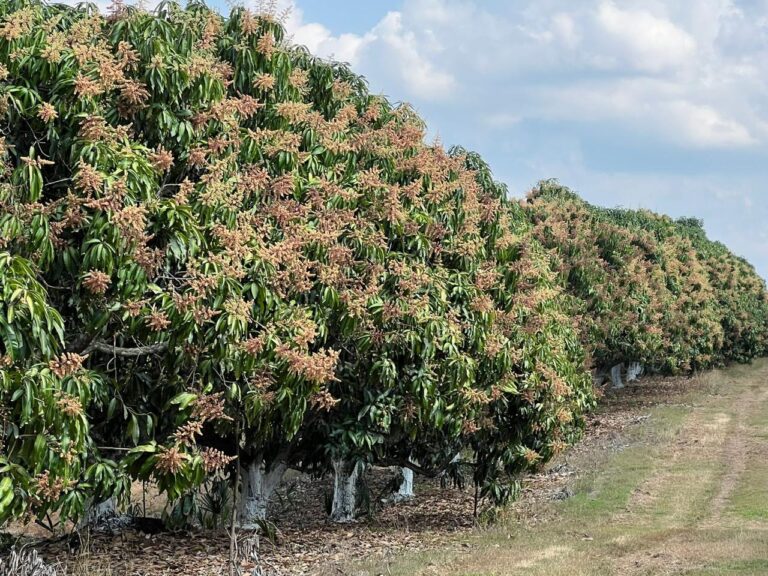
Despite expansion plans, the industry continues to face higher logistical costs, labor shortages, and climate-related production disruptions.
“It is absurd that it is more expensive for us to reach Miami, a two-day boat ride away, than it is for Peru,” Zaparolli questioned.
He added that climate change increasingly affects flowering patterns and harvest timing across production areas. However, the sector is investing in research and technology to improve productivity and adapt orchards to changing growing conditions.
Irradiation push could lower export costs
The Guatemalan industry continues to pursue phytosanitary measures that could reduce export costs and improve fruit quality for US-bound shipments.
Zaparolli said the sector seeks approval for pest-free production zones exempting fruit from hydrothermal treatment, as well as destination irradiation protocols.
“These measures would reduce costs, facilitate the entry of new producers, and improve the quality of exported fruit, since heat treatment is very stressful for the fruit and reduces its shelf life,” he explained.
Finally, the executive acknowledged growing competition from Brazil in Europe, which supplies mangoes year-round and benefits from logistical advantages that Guatemala struggles to match.
*All images are referential.
Related stories
US-Guatemala trade deal eliminates tariffs and boosts access for American agricultural goods
Guatemalan mango exports to US soar by 4 percent in 2025, fueled by stronger supply