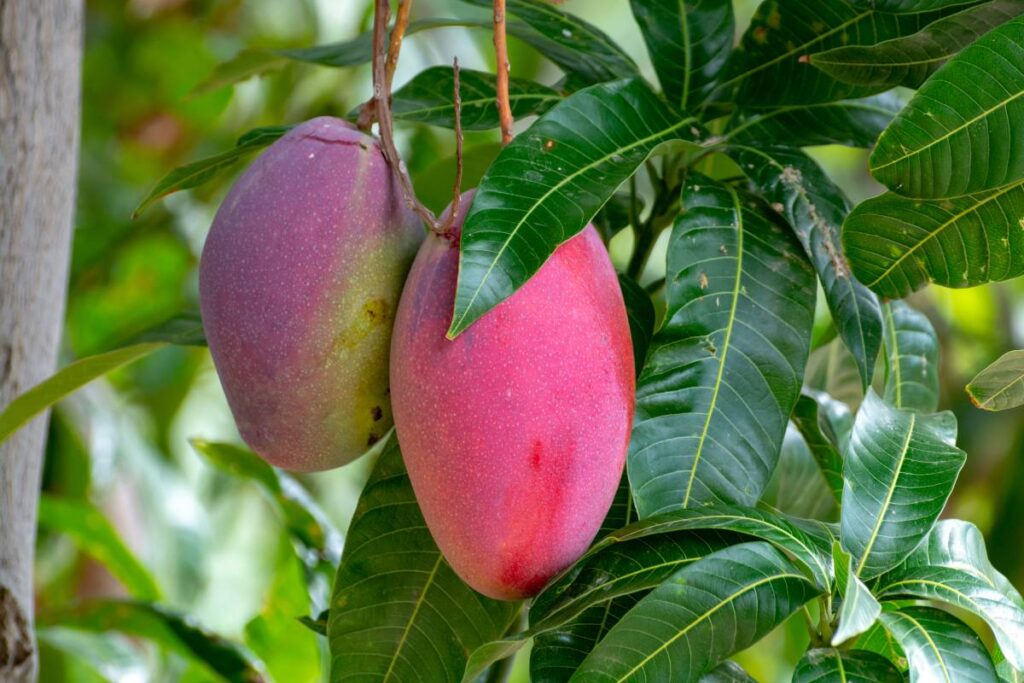
Mexican mango's global triumph: How diversification fuels international growth
 Add Fresh Fruit Portal to Google
by Francisco Seva Rivadulla, International Agri-Food reporter
As global demand for premium fruit continues to grow, the Mexican mango industry is finding success with a redrawn, diversified market strategy.
Anahí Casillas Godínez, CEO of the ag consultancy firm CEINAGRO, says that although the US continues to be the main destination for the Mexican fruit, the European Union is also a significant market.
“Likewise, the Asian market—particularly countries like Japan and South Korea—is shaping up as a strategic objective for the expansion of the Mexican mango, due to their high purchasing power and demanding quality standards," she adds.
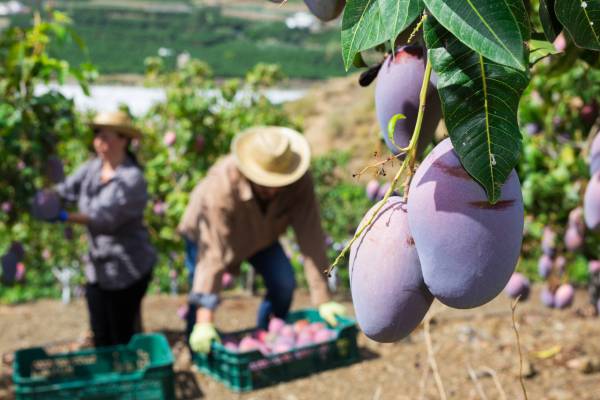
This wide reach has resulted from improved industry processes that strengthen its presence in emerging markets. These include specific strategies to diversify destinations, the technical upgrade of orchards, and the optimization of the production chain.
But that’s only the beginning. Casillas Godínez also identifies key areas of opportunity, such as fruit quality, climate change adaptation, efficient use of productive surpluses, consumer education, and increased infrastructure investment, as well as the strengthening of agricultural policies that promote social welfare and sustainability.
"By addressing these strategic areas, Mexico would not only consolidate its position as a world leader in mango production and export, but also generate greater economic, social, and environmental benefits," she says.
Japan: A high-stakes, high-rewards market for Mexican mangoes
Among the markets Mexico is eyeing as its next horizon, Casillas Godínez mentions Japan. The Asian island is currently one of the most attractive and demanding markets in the world for high-value fresh products, she explains.
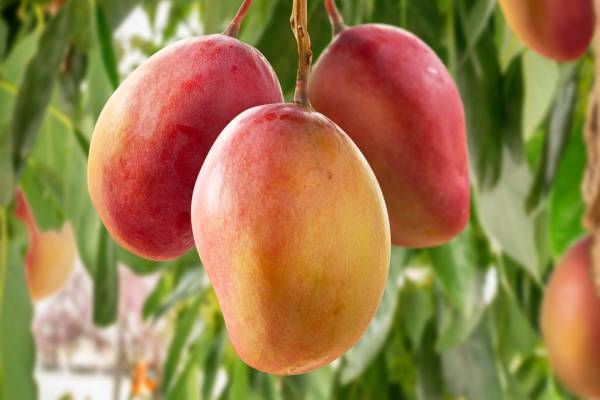
“The Japanese consumer culture prioritizes quality, presentation, and traceability, turning imported fruit into a product that transcends mere food to become a premium experience,” she says.
This scenario is ripe for the taking, the expert says, as the Mexican mango industry offers a wide range of highly competitive varieties, including Ataulfo, Kent, and Tommy Atkins.
“The organoleptic quality of the Mexican mango—flavor, aroma, texture, and color—aligns with the preferences of the Japanese consumer, who values sweet, uniform fruits with high aesthetic standards," she adds.
Another advantage of the Japanese market is that it favors added value, unlike the US, which is driven by high consumption volume. In the land of the rising sun, consumers are willing to pay a premium for the right product, meaning that it meets strict phytosanitary controls, certified safety, and impeccable presentation.
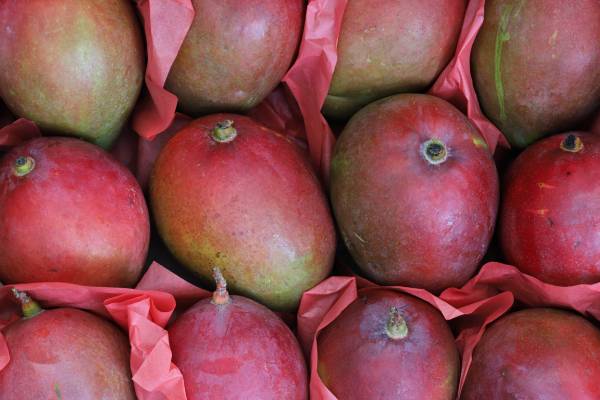
"In Japan, fresh fruit is frequently marketed as a gift item, which opens up a particularly attractive niche for premium mangoes with differentiated packaging,” says Casillas Godínez. “This commercial model allows Mexican mango to compete not only on price, but on quality, reputation, and differentiation.”
As expected in a high-reward market, access to the Japanese market is not easy and requires surmounting several difficult hurdles, including complying with rigorous sanitary protocols, hydrothermal treatments, and strict pest controls. The expert says that while these requirements can represent an entry barrier, they also serve as a competitive filter, favoring organized, technically advanced producers.
"For Mexico, strengthening post-harvest infrastructure, traceability, and international certifications not only facilitates access to Japan but also raises the general standard of the exporting industry," Casillas Godínez concludes.
*All images are referential.
Related stories
Mexican mango momentum rolls on in the US, EMEX president says
Mexican organic mango production is thriving
Mexican mangos’ biggest challenge remains market diversification