


Mexican mangos’ biggest challenge remains market diversification



Written and reported by Francisco Seva Rivadulla


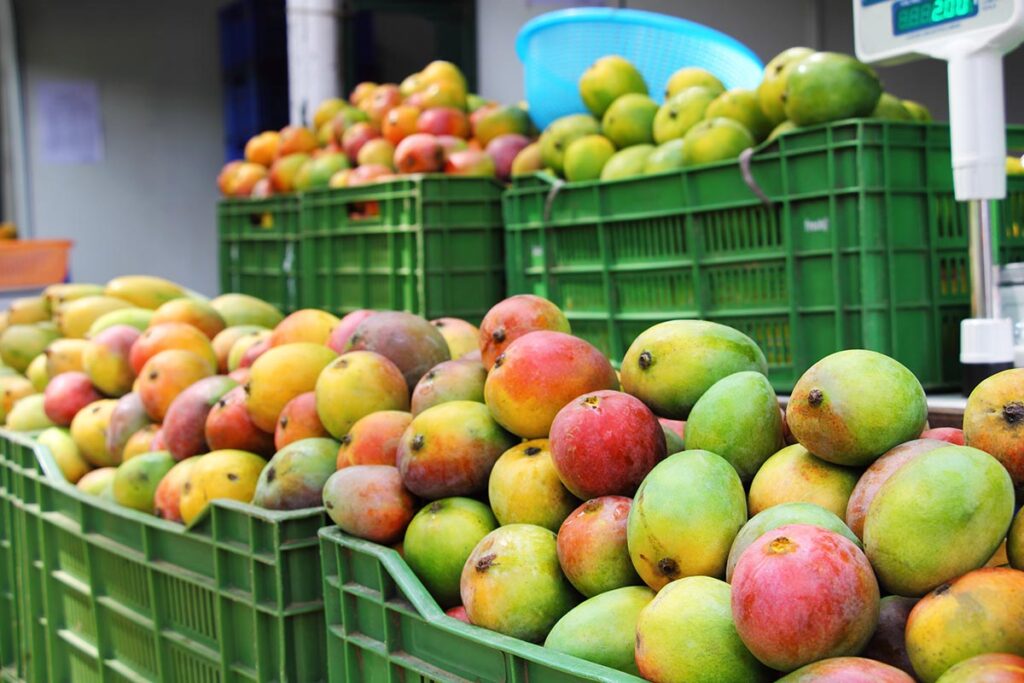
Despite several weather challenges during the last season, the Mexican mango industry continues to grow. Anahí Casillas, an agribusiness expert and General Director of CEINAGRO Consultancy, notes that appreciation for the crop in various markets is on the rise, consistently leading global exports and breaking production records.
“The mango industry in Mexico faces several challenges today, including increasing production yields, climate change, pests, and diseases,” she adds.
However, the biggest hurdle remaining for the industry to overcome is market diversification. Most Mexican mangos are shipped to the United States, making the crop overly reliant on Mexico’s neighbor to the north.
Solid commercial routes for Mexican mangos
To address its market dilemma, the Mexican mango industry must establish solid commercial routes to other destinations, says Casillas. The expert mentions Europe, Japan, Canada, and other regions as the next horizons for the Aztec fruit, but she’s also adamant in saying that opening markets is only the first step.

Strengthening efforts to improve promotion, marketing, and brand image is critical.
"In Japan, efforts are being made to increase commercial presence, but brand positioning is still required for Mexican mangoes to be more competitive,” she says.
Casillas explains that in Russia, the demand for Mexican mangoes is high; however, there are still challenges in logistics and phytosanitary matters that hinder more efficient access to the market.
The Middle East, she adds, is a market with high potential, but “challenges related to product positioning, as well as logistics, must be considered."
Furthermore, logistics is also a key component, as nothing sells better than high-quality, full-flavored, and visually appealing fruit.
“It is necessary to continue implementing processes and procedures that maintain fruit quality, as well as its preservation for a longer shelf life,” she says.
The trends driving growth for Mexican mangos
Health concerns have carved out new opportunities for Mexican mangos in the organic category. Casillas notes that this trend is particularly strong in key markets such as the United States, Canada, Asia, and other countries with robust product demand.
The expert also explains that Mexico should not forget about the benefits of a broader mango offering. She emphasizes the importance of opening niche markets for by-products such as purée, dehydrated mango, and other value-added products under the organic seal.
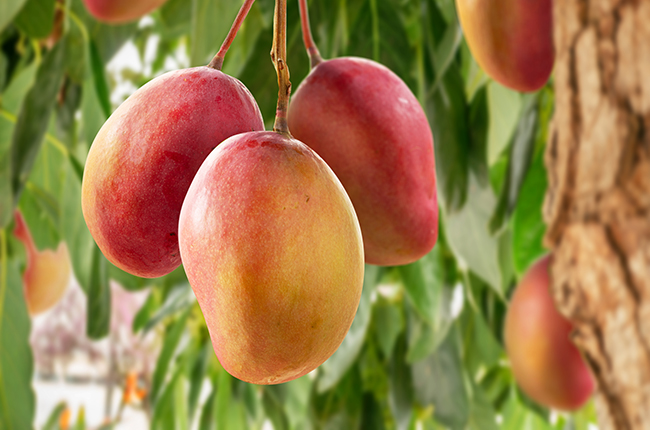
Convenience is also a trend on the rise—and an opportunity for the Mexican mango industry.
"Mexico continues to boost sales of fresh-cut mangoes, implementing key strategies such as logistics, freshness, attractive packaging, convenience, and added value,” Casillas explains.
For this, nutritional marketing, displays, and promotion, and an emphasis on mangos as a superfood, have been key.
“Marketing, promotion, and communication contribute to the consolidation of leadership in international markets, and the increase in consumption,” she adds.
A good execution on these fronts will also lead to market expansion, a stronger connection with consumers, and improved brand visibility and competitiveness.
A sweet, promising future
Anahí Casillas is hopeful about the outlook of the Mexican mango industry.
She emphasizes that, in the short term, things look promising, given the growth in mango demand and its continued expansion. Local producers enjoy solid market prospects, she says.
"In the medium term, the plan is to continue leading exports, adapting to climate change, investing in technological improvements and resilient agricultural practices, as well as implementing innovation, and consolidating the value chain with mutual cooperation between producers and exporters," she concludes.
Related stories
Mexico wraps up record-breaking mango season and Ecuador steps on the gas









Subscribe to our newsletter