








Conflict in the Middle East strains maritime logistics and threatens to reshape the Southern Hemisphere fruit market



Written and reported by Macarena Bravo | Lee esta noticia en Español


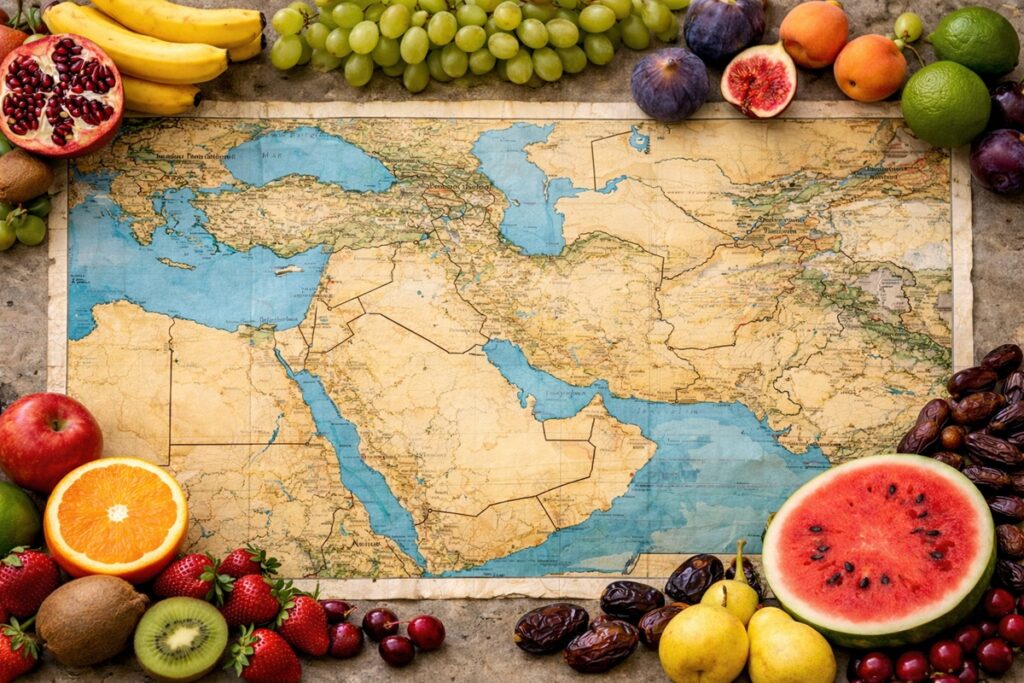
The conflict in the Middle East is beginning to have tangible repercussions on the fruit industry’s international trade and export logistics.
Several major shipping companies have cancelled services or routes, altered usual schedules, creating uncertainty in the maritime transport chain.
And this situation is compounded by volatility in oil prices and currency fluctuation, Peirano explains.
“Over the past few days, crude oil came close to $100 per barrel before retreating to levels near $80, a factor that could directly impact maritime transport costs if the conflict continues,” he said.
Middle East disruptions impact on the fruit market
Regarding fruit exports from Latin America to the region, Peirano said the direct impact on shipments to the Middle East would likely be limited.
“In Chile’s case, this market represents between 2 percent and 3 percent of total fruit exports, so it’s not one of the main destinations in terms of volume.”

However, he stressed that the greater risk lies in a possible reordering of international trade flows.
“Competing countries such as South Africa, which export large volumes of apples, grapes, pears, and citrus to the Middle East, could be forced to redirect their supply to other markets if the conflict affects their traditional destinations,” he said.
In that scenario, the displacement of fruit shipments could create greater competition in markets currently key to exporters from countries such as Chile, Peru, or Colombia.
Logistics bottlenecks
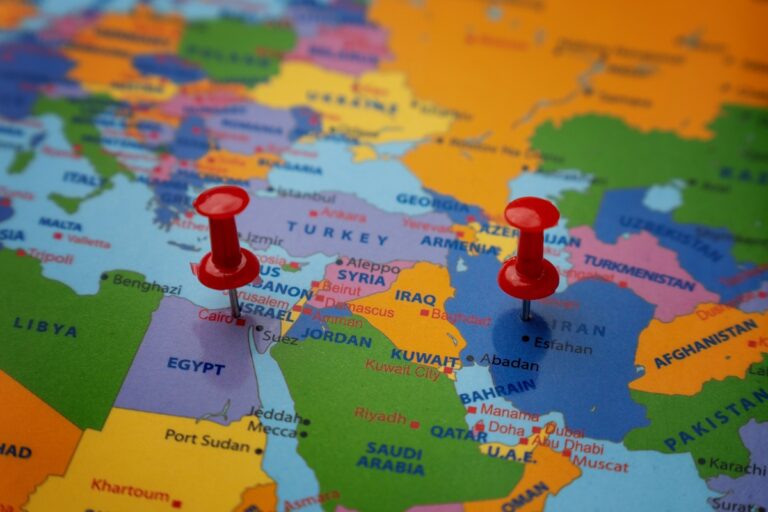
Peirano noted that the Suez Canal’s strategic role for global trade has become particularly important. It is estimated that 12 percent to 13 percent of global trade passes through this route connecting Asia and Europe. While the canal remains operational, the problem lies in the increased risk in the surrounding area.
He said several insurers have stopped covering ships traveling through that corridor, prompting some shipping companies to choose alternative routes around the Cape of Good Hope at the southern tip of Africa.
“This decision implies longer voyages and higher operational costs that could eventually be passed on to freight rates,” he said.
Regarding maritime freight, Peirano emphasized that it is still too early to estimate the final impact on prices. However, rate increases in areas directly affected by the conflict have already been recorded.
He added that “if the crisis continues and oil maintains an upward trend, logistics costs are likely to remain under upward pressure.”
From a production standpoint, the fruit sector could also feel the impact in the form of tighter margins.
“Because this is a commodity market, rising costs cannot always be passed on to the final price, which in some cases could translate into lower margins or even losses for producers,” he explains.
He also noted that the conflict in the Middle East could affect other industries, such as the fertilizer market.
“Although the conflict could generate price pressure, it is estimated that if the situation stabilizes in the coming weeks, supply would tend to normalize.”
Given the high level of uncertainty, the consultant recommends that the fruit industry maintain strong commercial relationships with strategic customers, closely monitor markets, and use financial tools to hedge exchange-rate and logistics risks.
“These events have happened before, and markets usually adjust over time,” Peirano adds, emphasizing that the key will be maintaining flexibility and close connections with markets as the international situation evolves.
Related stories:
Shipping crisis halts Middle East routes for India's largest fruit export, bananas









Subscribe to our newsletter