The “Plum Club” seeking to revolutionize the stone fruit market
 Add Fresh Fruit Portal to Google
Writing and reporting by Macarena Bravo | Lee este artículo en Español
The BabyPlum program, a new premium breeding initiative led by Hortifrut Genetics, aims to establish a more coordinated, strategic approach to the stone fruit business that aligns with global consumer trends.
The business collaboration model, an uncommon push for the Chilean industry, brings together eight of the Andean country’s leading producer-exporters.
“It’s not just about genetics—it’s about understanding the consumer, diversifying markets, and building a more resilient industry,” Juan Ignacio Allende, an advisor to the Board of Directors at Hortifrut Genetics, said exclusively to FreshFruitPortal.com.
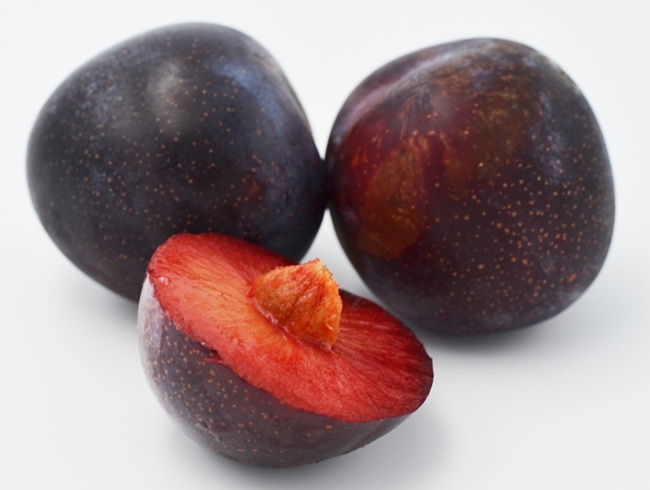
Ibergen Frutales, a Spain-based leader in stone fruit breeding, developed the varietal foundation of the BabyPlum program. Building on that work, Hortifrut Genetics, as the holder of the global license for the program’s second generation, coordinates the club and guides the category’s development for international markets.
“We’ve come across an extraordinary product. We saw that these varieties had unique characteristics: sweetness, crunch, juiciness, and a far superior sensory experience,” explained Allende.
The consumer is at the heart of BabyPlum Club
Allende emphasized that one of the project’s most distinctive elements is its approach: placing the consumer at the center of the strategy. Historically, genetic development has focused on variables such as yield, size, and production window front and center. However, now the market demands more than that, Allende noted.
“Today’s consumer, anywhere in the world, wants quality. They want to enjoy what they eat. If they pay more, they expect a superior experience. And that’s universal: it happens in the United States, Asia, Europe, and Latin America,” he stated.
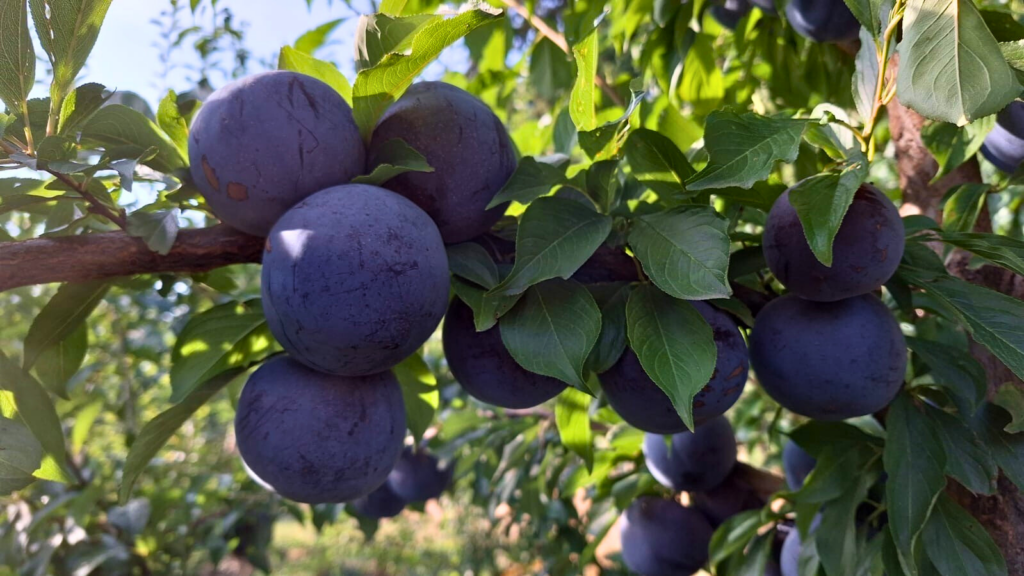
BabyPlum precisely meets that demand. It consists of 16 selections, each with different colors and profiles, that share key attributes: high sweetness, a firm, crisp texture, and a balanced acidity that enhances the eating experience.
In addition to their sensory profile, the program is geared toward export and long-distance transport, aiming to maintain quality, freshness, and a consistently superior experience at destination markets.
Allende noted that this trend is not isolated. Across various fruit categories, varieties that stand out for their flavor have driven consumption growth, establishing a new logic of differentiation based on the experience.
A club model
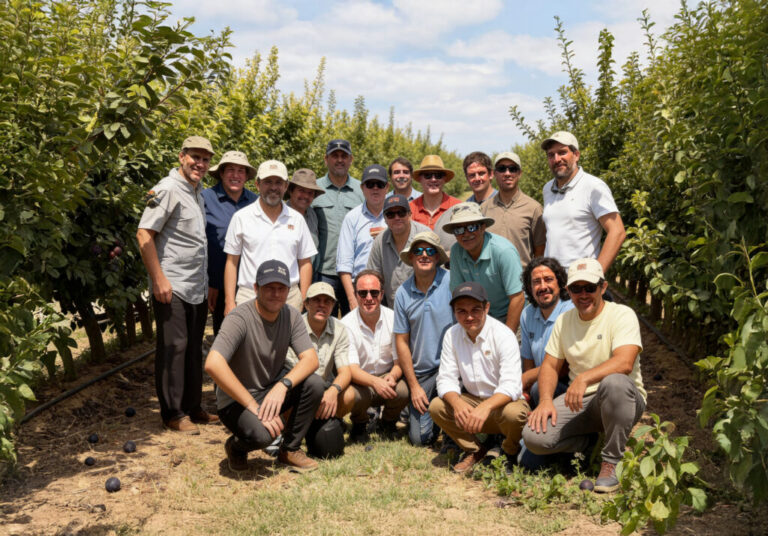
Instead of licensing the varieties to a small number of players, Hortifrut Genetics structured a “club” model with eight partners, each with complementary strengths throughout the value chain and a presence in different markets.
Allende specified that the decision stems, in part, from lessons learned from the Chilean cherry industry, where high concentration in the Chinese market has led to greater vulnerability.
“The idea is to broaden the range of opportunities and mitigate risks. To leverage the group’s capabilities and network to distribute the fruit globally, with a presence in virtually all markets where high-value fruit is sold,” Allende noted.
He concluded by stating that the club is formally established, with defined governance and regular meetings. Currently, the BabyPlum Club brings together Agrovic, Baika, Copefrut, Garcés Fruit, Gesex, IMG, Lafrut, and Sutil.
“Hortifrut Genetics acts as coordinator, facilitating technology transfer, the importation of plant material, the definition of standards, and the positioning of the BabyPlum brand in international markets,” he said.
*All images courtesy of Hortifrut Genetics.
Related articles:
Chilean dried plum exports show diversification and growth in 2025
New evergreen cherry tree could revolutionize stone fruit production in warmer climates