California citrus program secures $2 million in annual federal funding
 Add Fresh Fruit Portal to Google
The House Committee on Appropriations is adjudicating an additional $500,000 for the citrus program in Parlier, California, as part of the 2027 Agriculture Appropriations bill.
The grant comes on top of the $1.5 million previously allocated to expand the program, adding $2 million in annual federal funds to what the program already receives from the Citrus Research Board (CRB).
“CRB was instrumental in developing the concept for the California-based program and was also involved in efforts to establish the nationwide citrus program, while California Citrus Mutual (CCM) advocated to secure funding,” said CRB President Marcy Martin. “Our two organizations working together on behalf of the industry have been instrumental in getting this program off the ground.”
In a press release, CCM Director of Governmental Affairs, Jacob Villagomez, thanked the Appropriations Committee for its continued support.
“Finding solutions for California-specific growing patterns is an essential tool in fighting huanglongbing (HLB) for years to come," he added.
Citrus programs against HLB
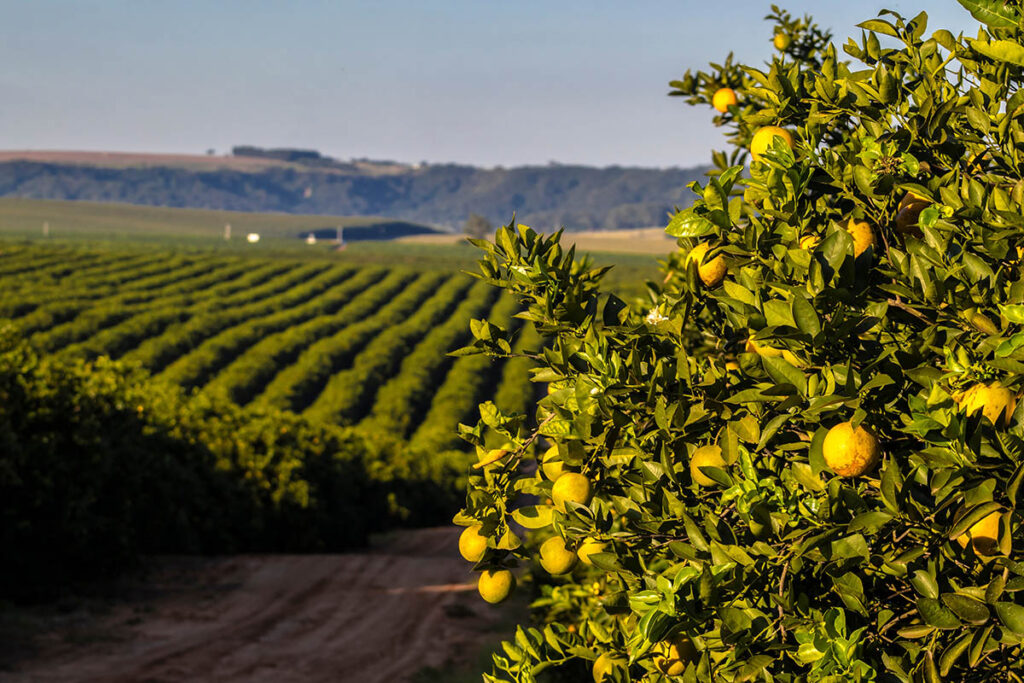
The California citrus program will work with UC Riverside and focus on fresh market citrus. Funding will go towards research and development of high-quality, superior citrus selections well suited to California growing regions, changing climatic pressures, consumer taste preferences, and resistance to pests and diseases, such as HLB.
The initiative is an expansion of the existing national USDA-ARS citrus program located in Fort Pierce, Florida, which is focused primarily on varieties optimized for Florida growing conditions. The project has resulted in new varieties with higher yields, increased disease resistance, improved color, and a longer shelf life.
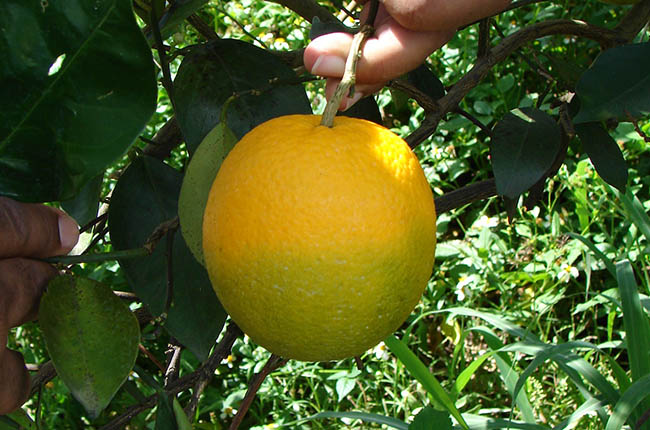
Image courtesy of USDA
The California citrus breeding program is located at the USDA ARS field station in Parlier. Thanks to ongoing appropriations commitment, forward progress continues to be made with the addition of a dedicated scientist, completion of a greenhouse, and future plans for laboratory and office space, and hopefully securing additional ground for further expansion.
*All images are referential unless stated otherwise.
Related stories
Opinion | When denial costs millions: The true HLB risk to Latin American citrus