South Korea goes tropical: Global mango imports and e-commerce drive demand
 Add Fresh Fruit Portal to Google
By Francisco Seva Rivadulla, International Agri-Food Journalist
Mango is ceasing to be an exotic product and is consolidating as a staple in South Korean shopping baskets.
The fruit is growing not only in its fresh format but also as an ingredient in beverages, processed products, and gastronomic offerings. This expanded footprint reflects evolving consumption patterns that lean toward more diverse and international options.
This shift has been supported by a dynamic and expanding import structure featuring suppliers from around the world.
Latin American mango leaves a mark in South Korea
Although Southeast Asian countries maintain their historical role as main suppliers, Latin American exporters are gaining ground and visibility in an increasingly competitive market.
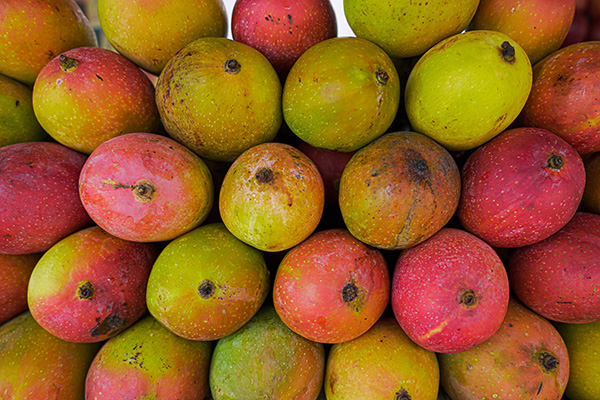
Peru is currently one of the most prominent players in the mango exporting business. The country’s role is supported by phytosanitary agreements and promotional campaigns that have eased the entry of varieties such as Kent into large South Korean retail stores.
Brazil, for its part, gained access to the Asian country after years of negotiations, allowing it to diversify its export destinations and explore the market more thoroughly.
Lastly, despite its smaller presence in South Korea, Mexico remains one of the largest global mango exporters, a position that poises it for great growth as trade links expand.
As a high-purchasing-power economy with a growing interest in differentiated products, South Korea presents a strategic opportunity for Latin American exporters. The challenge involves consolidating trade agreements, meeting high-quality standards, and leveraging both the traditional retail sector's weight and the boom in online shopping.
Active retail and a technified distribution network
The rapid development of the South Korean mango market owes a lot to the country’s highly technified distribution network.
Specialty importers coordinate the product's arrival at key ports, guaranteeing compliance with sanitary requirements and ensuring the cold chain to preserve quality. From there, the product is channeled to different points of sale, where retailers and digital platforms play a central role.
Large supermarket chains have positioned themselves as the main distribution engine. They not only account for the largest sales volume but also set consumption trends, introducing consumers to new varieties, promoting promotional campaigns, and adapting the product to local preferences through ready-to-consume formats, practical packaging, and premium presentations. South Korean retail’s logistical capacity also allows for maintaining a constant supply and reducing seasonality.
Game changers—E-commerce and food service
Food e-commerce has become a key pillar of mango growth in South Korea, democratizing access to imported fruit and providing consumers with unparalleled convenience, often with deliveries in under 24 hours.
Subscription models and integration with delivery apps reinforce this trend, directly connecting homes with international suppliers and expanding the product's reach beyond physical stores.
The food service sector, including hotels, restaurants, and cafeterias, has also contributed to mangos’ popularity in South Korea, incorporating the fruit into innovative culinary offerings, such as desserts and tropical beverages.
In turn, the processing industry absorbs part of the imports to produce juices, purees, and other derivatives, extending mangos’ shelf life and diversifying their market presence.
Overall, the evolution of the mango in the South Asian country is the consolidation of a global expansion process, marked by the diversification of origins and the sophistication of distribution channels.
In this context, the combination of supermarkets and e-commerce is key to explaining its growing integration into daily consumption.
*Main image is AI-generated. All images are referential.
Related stories
Mango exports to Russia: Consumption trends and operational challenges in 2026
US mango demand soars and sets pace for 2026 growth
São Paulo mango season ends strong: Volume rebounds despite disease and industrial slump