








H-2A program nearly tops 400,000 requested positions for the first time
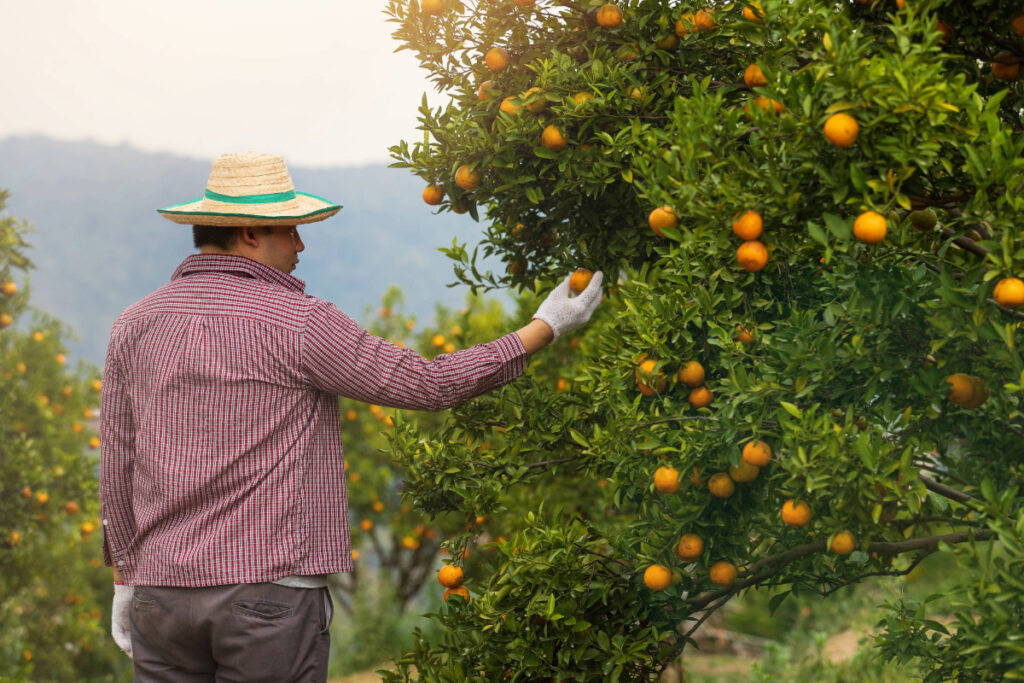



In 2025, the US government's H-2A seasonal agricultural visa program reached unprecedented heights.


Between October 2024 and September 2025, the US Department of Agriculture certified 398,258 H-2A positions, a jump of 13,358 from the previous year, according to the American Farm Bureau Federation (AFBF).
Never before has the program come so close to the 400,000 mark.
According to AFBF, the surge is part of a staggering 185 percent growth over the past decade, underscoring worsening labor shortages affecting produce growers and other labor-intensive industries.
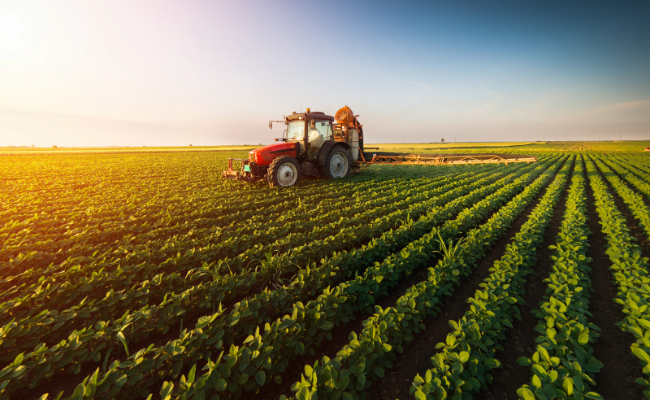
Demand for H-2A visas in the produce sector is highly geographically concentrated, with Florida, Georgia, California, Washington, and North Carolina accounting for nearly half of all certifications.
Despite the federally mandated 10 percent increase in H-2A minimum wages, Florida represented more than 14 percent of labor authorizations, adding over 9,000 workers to the program compared to the previous year.
The other four leading states experienced declines. California, historically a major H-2A user, certified 2,000 fewer workers year over year, marking its third consecutive annual decline.
The AFBF did not specify a cause for California's decrease, but the trend contrasts with the national increase in H-2A demand across 38 states.
Fewer and fewer Americans are applying for H2-A work
The report's most notable statistic relates to domestic hiring.
To qualify for H-2A certification, employers must first advertise positions to US workers. Of over 415,000 positions advertised in 2025, only 182 attracted a domestic applicant, representing less than 0.04 percent.
AFBF Economist and report lead Samantha Ayoub describes this as direct evidence of a structural labor shortage rather than employer preference.
The report notes that the US labor force participation rate in this kind of job is declining. Although the labor force has grown by nearly 12 million people over the past decade, the participation rate—the share of US citizens aged 15 to 64 who are employed or seeking employment—has been falling since the early 2000s. In September 2025, the unemployment rate was 4.4 percent, close to pre-pandemic lows.
“As long as these domestic labor force trends continue and American workers remain uninterested in seasonal farm work, farmers and ranchers will continue to turn to alternative labor recruitment to ensure a dependable food system,” Ayoub explained.
However, lack of interest in agricultural work is not the only factor driving H-2A demand.
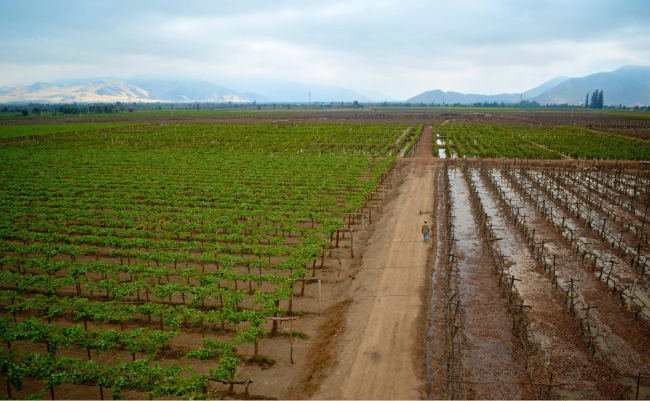
Increased application complexity is also raising costs, prompting farmers to create more narrowly defined contracts for roles that were previously combined. The report attributes this to regulatory changes, including the 2023 disaggregation rule, which required H-2A employers to pay the highest wage associated with specific job duties rather than a single contract rate.
Although the rule was vacated in August 2025, its effects persist. The average number of positions per application has decreased from 23 in 2018 to 19 in 2025, requiring farmers to file more paperwork to fill the same number of positions.
The AFBF notes that recent regulatory rollbacks may allow employers to consolidate contracts again, potentially reducing per-application costs.
A Supreme Court case may impact the H-2A program
The increasing reliance on H-2A coincides with a legal case that could change how the program is enforced.
On April 27, the US Supreme Court agreed to hear Department of Labor v. Sun Valley Orchards, LLC, a case that will determine whether the DoL can impose civil penalties on H-2A employers through its administrative court system or must bring such cases in federal court before a jury.
The case originates from a 2015 enforcement action against Sun Valley Orchards, a New Jersey vegetable farm that hired approximately 96 H-2A workers to harvest peppers and asparagus. The DoL assessed over $212,000 in civil penalties and nearly $370,000 in back wages, totaling about $580,000. Alleged violations included failing to provide promised kitchen access, housing deficiencies, and laying off 44 workers mid-season before they completed the required three-quarters of guaranteed work days, according to Capital Press.
The Third Circuit ruled in favor of the farm last year, citing the Supreme Court's 2024 decision in SEC v. Jarkesy, which held that defendants in similar civil penalty actions are entitled to a jury trial.
The Justice Department told the court that the appellate ruling "deprives the government of an important tool for ensuring that employers comply with the conditions for employing those workers," noting that H-2A workers now account for roughly one-sixth of the US agricultural workforce, CNN reports.
Oral arguments are expected later this year, with a decision anticipated in mid-2027.
*All images are referential.
Related stories:
OSHA scraps inspection targets in revamped heat-hazard program




Subscribe to our newsletter