OSHA scraps inspection targets in revamped heat-hazard program
 Add Fresh Fruit Portal to Google
The US Occupational Safety and Health Administration (OSHA) has dropped its numerical inspection targets and taken fruit and tree nut farming off its list of priority industries in the National Emphasis Program (NEP), the agency’s instruction guide for American workplace safety compliance and enforcement.
The move lowers the NEP’s earlier goal of doubling on-site heat inspections compared to the 2017–2022 average.
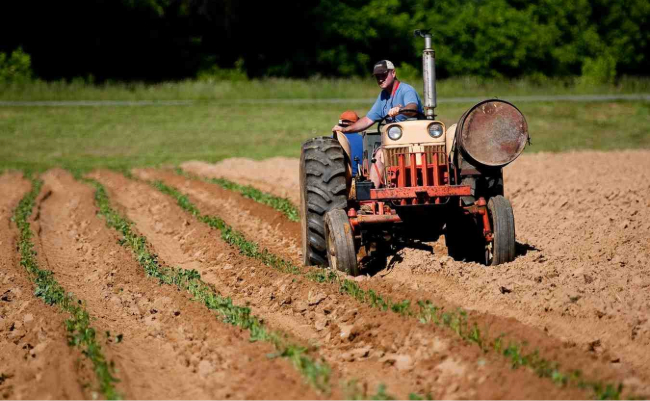
Since the original standard began in 2022, OSHA conducted 7,000 heat-related inspections through December 2024. That’s a big jump from about 200 inspections per year in the previous five years, according to a report by news outlet E&E News.
Tree nut and fruit growers escape OSHA's high-risk list
In a press release announcing the changes, OSHA said the renewed program "removes outdated background information, updates links, and eliminates the former numerical inspection goal." Now, compliance officers will focus on 55 industries considered high-risk, based on Bureau of Labor Statistics data from 2022 to 2025.
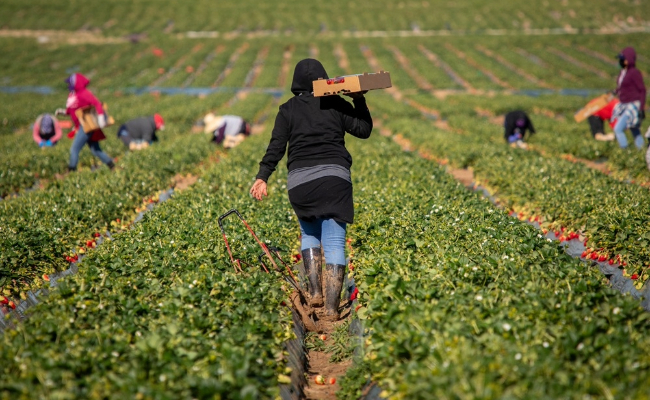
The new directive no longer lists fruit and tree nut farming as a high-risk industry. Instead, it adds hog and pig farming, animal slaughtering and processing, and greenhouse, nursery, and floriculture production, according to Civil Eats.
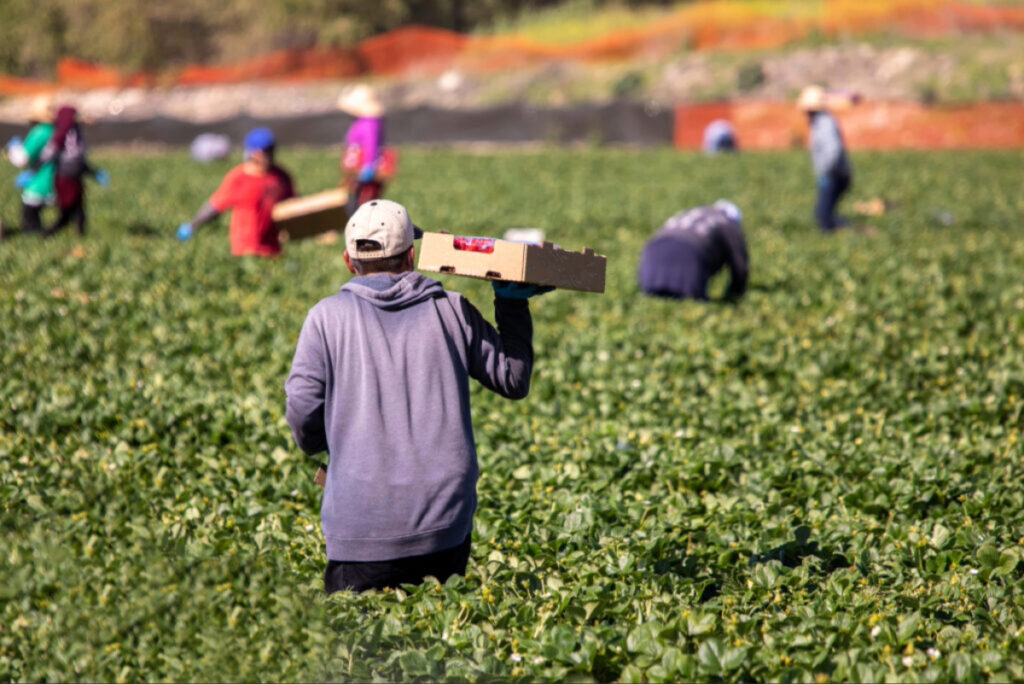
This is a significant shift, since agricultural work in the US has long been one of the highest-risk jobs for heat-related illness and death. A 2022 study of California heat deaths from 2005 to 2021 found that 32 percent happened in the agriculture, forestry, fishing, and hunting sectors, and 94 percent of those cases involved farmworkers.
OSHA describes these changes as a way to sharpen its focus, not pull back. The agency says compliance officers will still increase inspections "where there is evidence of heat-related hazards on heat priority days" and will do random inspections in high-risk industries when the National Weather Service issues a heat advisory or warning.
The impact depends on where you are in the US
Some worker advocates remain skeptical. Jocelyn Sherman, digital director at the United Farm Workers, told supporters in an email that the rollback could put farmworkers at greater risk. "In this time of climate change and rising temperatures, it is terrifyingly unclear whether OSHA will still proactively inspect hot worksites," she wrote, according to Civil Eats.

In the absence of a federal heat standard, employer obligations continue to rest on OSHA's General Duty Clause, which requires employers to maintain workplaces "free from recognized hazards." Several states with their own OSHA-approved plans, including California, Oregon, Washington, Colorado, Maryland, Minnesota, and Nevada, already enforce dedicated heat-illness prevention standards that apply regardless of federal action.
For produce growers and packers working in several states, the impact is mixed. Federal inspections for heat hazards in orchards and tree-nut operations will likely decrease. However, state rules—especially California’s strong heat-illness prevention laws—are still fully enforced. OSHA can also cite any employer under the General Duty Clause if a worker is hurt or killed by heat exposure.
The updated directive went into effect on April 10, 2026, and will remain in place until 2031.
*All images are referential.
Related stories:
US growers applaud new H-2A interim rule but urge for a long-term, market-based solution
Department of Labor shifts H-2A wage method and adds skill-based categories