In a UF/IFAS lab study, three predatory insects feasted on Asian citrus psyllid eggs
 Add Fresh Fruit Portal to Google
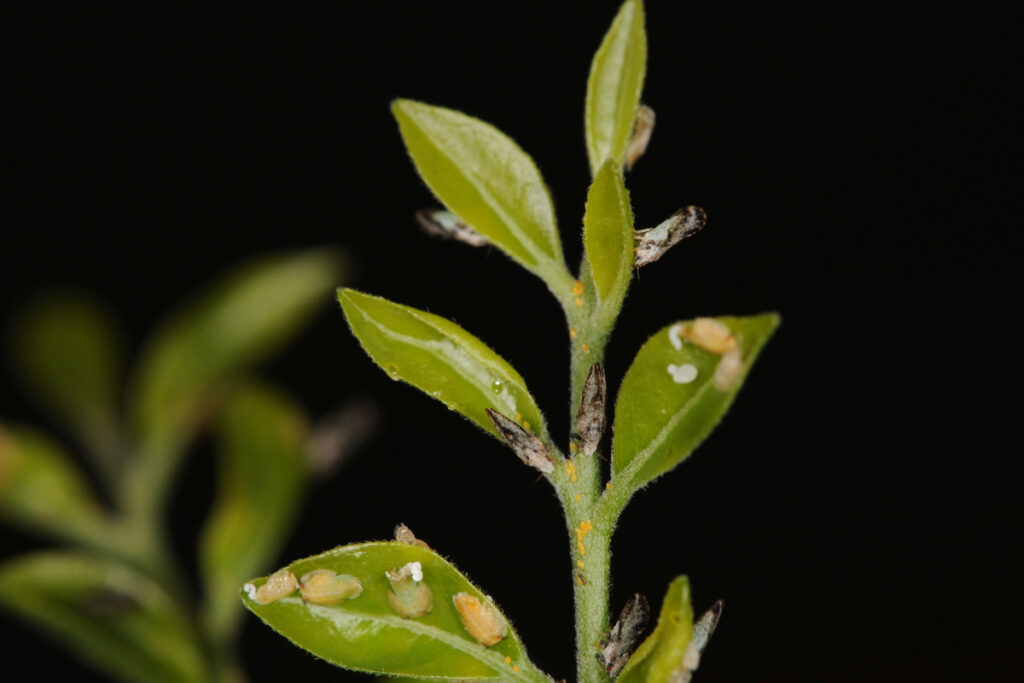
In lab trials, three commercially available predatory insects consumed large numbers of Asian citrus psyllid eggs (Diaphorina citri), according to new research from the University of Florida Institute of Food and Agricultural Sciences (UF/IFAS). The sap-sucking insect is the primary vector of Huanglongbing (HLB), or greening disease, one of the pests threatening the citrus industry worldwide, costing it billions annually.
Led by post-doctoral researcher Romain Exilien at UF/IFAS's North Florida Research and Education Center, the study pitted four predators against psyllid eggs: minute pirate bugs, green lacewing larvae, the mealybug destroyer ladybeetle, and the predatory mite Amblyseius swirskii.

All but A. swirskii made a significant dent in egg numbers, offering growers and home gardeners a promising new weapon against the spread of HLB
Over 90 percent of eggs, eaten
In just two days, minute pirate bugs devoured 67 eggs, lacewing larvae polished off 111, and mealybug destroyers consumed a remarkable 153. Green lacewing and mealybug destroyer led the pack, with consumption rates of 93 percent and 97 percent, respectively.

Previous research had tested predatory bugs against psyllid nymphs and adults, but this was the first experiment focused on psyllid eggs, according to Xavier Martini, a UF/IFAS associate professor of entomology.
"Homeowners are the main target here," Martini said in a press release published by the academic institution. "I am confident that our lab experiment will transfer pretty well to a single tree in a garden with minimal to no insecticide spray.”
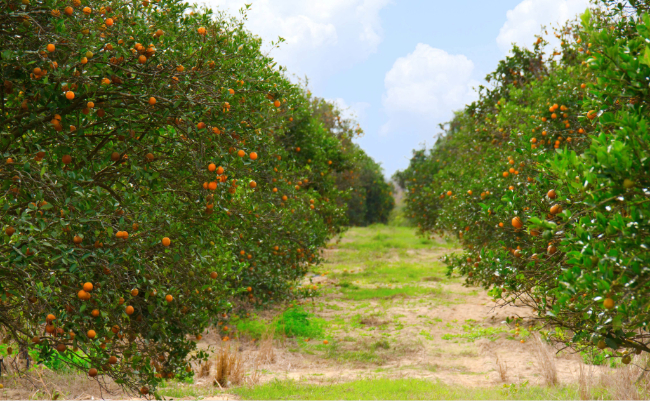
The researcher noted that home gardeners are largely interested in biological control of all bugs, but particularly psyllids, making them large beneficiaries of his team’s findings. Likewise, he said that organic growers are also a potential audience for these predatory allies, as they’re often short on effective psyllid control options.
Jawwad Qureshi, associate professor of entomology at UF/IFAS's Southwest Florida Research and Education Center and co-author of the study, called the egg-eating results a promising sign for commercial citrus operations.
"These findings indicate that targeting Asian citrus psyllid eggs with lacewings or mealybug destroyers may substantially enhance sustainable psyllid management and support long-term HLB mitigation in citrus groves," he said in the release.
Though hopeful, UF/IFAS cautioned that these results need to be further tested in field trials to determine how these predators perform in less-controlled conditions. The research was funded by the USDA National Institute of Food and Agriculture.
*Main image by David Bartels/USDA.
Related stories:
Breakthrough CRISPR rootstock offers hope against deadly citrus greening