







FairFruit sets its sights on Canadian buyers, unveiling a year-round supply model at CPMA 2026.
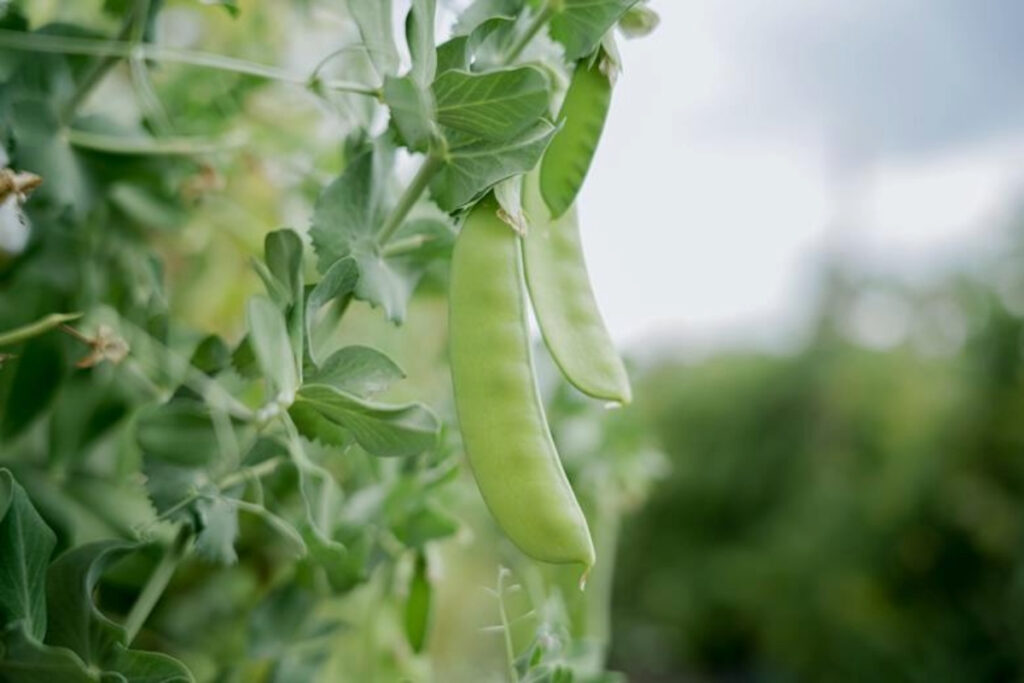



Belgian specialty produce exporter FairFruit used Canadian Produce Marketing Association (CPMA) Convention & Trade Show in Toronto to formally pitch its year-round French bean and pea program to Canadian buyers. The company is leaning on a dual-origin supply model sourcing from Guatemala and Peru, which they say addresses a structural gap in eastern Canada's import landscape.


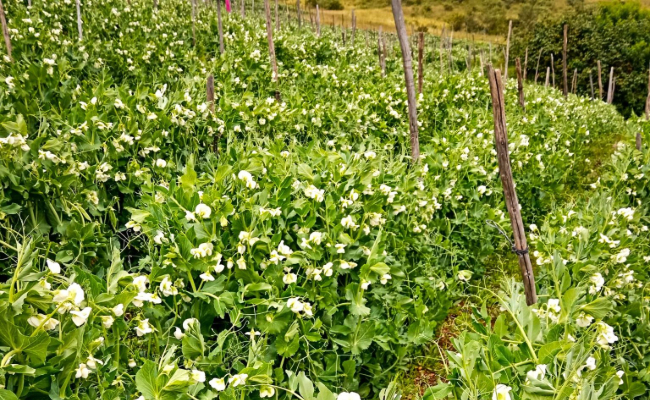
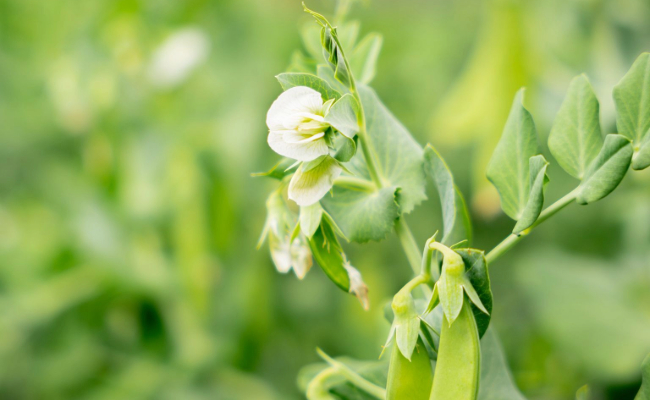
FairFruit production calendar is carefully crafted: Peru leads as the main pea source from May to November, while Guatemala takes over from November to April. This model ensures Canadian buyers enjoy a seamless, uninterrupted supply of conventional and Fairtrade-certified French beans, peas, brassicas, and mini and coloured carrots.
Improved logistics cleared the path to Canada
Caroline Floren, Sales & Operations Manager for FairFruit USA, told Freshfruitportal.com that the decision to unlock the Canadian market for the company was strategic, and timing reflects both production readiness and improved logistics on the Guatemala-to-eastern-Canada lane.
"We have a leadership exporting position of peas from Peru to Europe, the US, and Japan, and we have spent years diversifying and structuring our Guatemalan operations across complementary growing regions," Floren said. "We now have a combination of our own farms and trusted grower partnerships, and that foundation gives us the production capacity and the supply reliability a new market demands."
On the logistics side, the executive pointed to recent connectivity improvements between Guatemala and eastern border of the Great White North, including Air Canada's new direct flights from Guatemala City to Montreal.
“On the ocean side, the shipping lanes from Guatemala into North-Eastern United States ports, with trucks available to Montreal and Toronto, are well established," she explained.
FairFruit's logistics plan charts a clear course: ocean shipments from Guatemala to eastern North American ports, followed by refrigerated truck deliveries that bring freshness straight into Canada.
The Canadian market’s potential and competitive reality
Claudia Granados, Marketing & Business Development Manager at FairFruit, said the company's market scan identified growing Canadian demand for plant-based proteins, nutrient-dense produce, and clean-label supply.
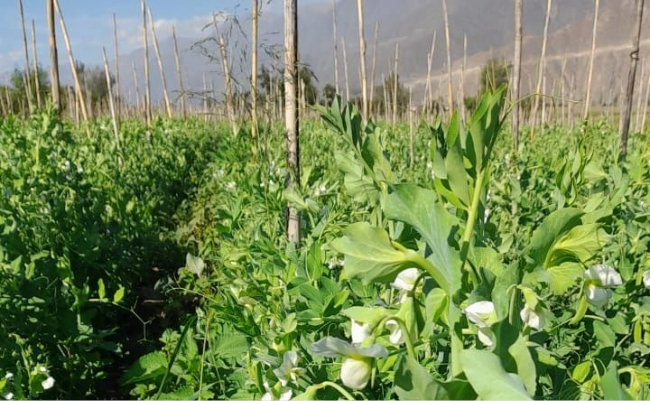
"These are not commodity products—they carry a story of fair farmer partnerships, rigorous traceability, and responsible production," Granados told FreshFruitPortal.com. "We also see a real structural white space: year-round, direct supply from Guatemala and Peru, without passing through a US intermediary. That is an opportunity for buyers who want a cleaner, more transparent supply chain."
Granados also spoke candidly about the competitive landscape awaiting FairFruit. She mentioned that the North American country already has established suppliers, including China, and that sourcing is strong from Florida-based US importers, which will force the company to prove its worth with Canadian consumers.
"That routing developed for a reason: historically, direct logistics from Central America into Canada were less developed. We are entering as a new player, and we know we have to earn our space," she said.
The executive added that FairFruit is not pursuing volume at the outset—the primary goal is to build solid, long-term partnerships with buyers who share the company’s values and want “a direct, reliable supplier.”
Canada’s Ontario is FairFruit's top priority due to its bustling foodservice, retail, wholesale, and produce import sectors. Toronto and Montreal shine as the major commercial hubs driving this focus.
Compliance and risk management
Floren said the company stands out among the competition by holding a Fairtrade certification, operating under the SMETA protocol for social and ethical auditing, and complying with GlobalG.A.P. standards.
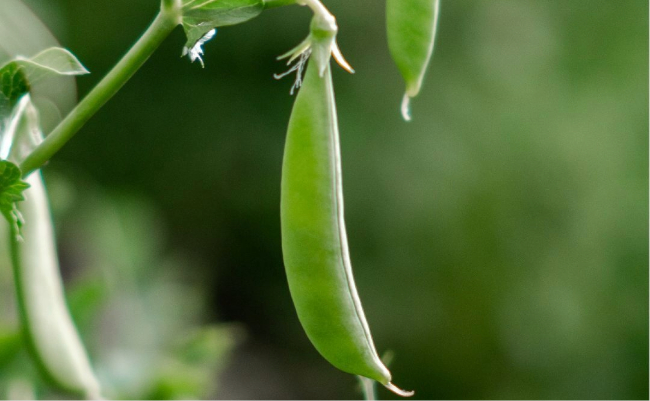
FairFruit’s supply security strategy, which deliberately spreads production across multiple altitudes and geographical zones, is also noteworthy.
“That is not just about volume—it is how we manage climate risk. When one zone faces an El Niño event or atypical weather, we can continue supplying from another," she said.
That capability, Floren said, draws on 15 years of accumulated agronomic data precisely revealing which varieties perform in which altitudes and soil types.
Asked about the company's pipeline, Floren said FairFruit has a couple of projects in early development, one related to production expansion and another to new product development, but didn’t share specifics.
Related stories:
CPMA 2026: How the Canadian produce sector is turning "real pressure" into progress and resilience
Oppy showcases lineup of Canadian-grown offerings and breakthrough strawberry project at CPMA











Subscribe to our newsletter