







Soilcea begins commercial rollout of HLB-resistant rootstock after federal approval
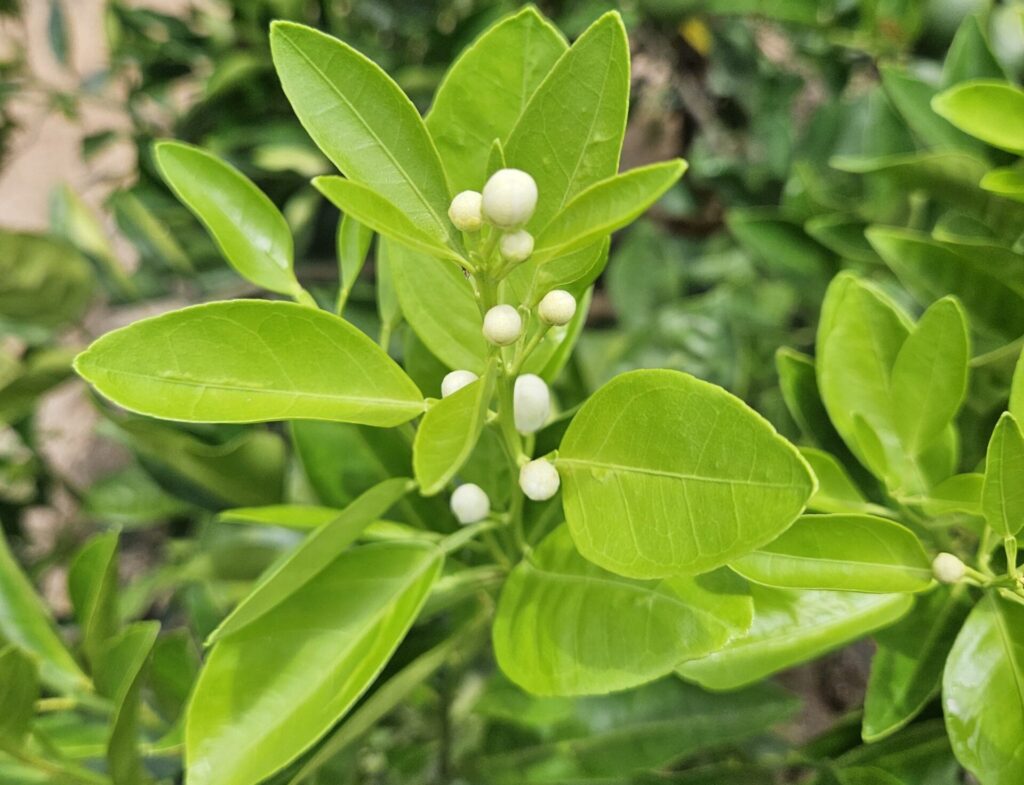



A new champion has officially entered the fight against citrus greening. Florida-based biotech firm Soilcea has started commercial shipments of its CRISPR-developed CarriCea T1 citrus rootstock following approval from both the United States Environmental Protection Agency (EPA) and the US Department of Agriculture (USDA).


"We’re really excited to start getting these trees in the hands of growers,” CEO and President Yianni Lagos told FreshFruitPortal.com. “We have 300,000 of them in production, and every month we're gonna get more and more trees out to growers."
Lagos confirmed that the rootstock has obtained all required federal and state regulatory approvals for commercial use and that no paperwork remains pending.
The rollout comes as Florida's citrus industry continues rebuilding after years of production declines linked to Huanglongbing (HLB), also known as citrus greening disease. According to the USDA, Florida's orange production has fallen sharply over the past two decades as the disease spread across commercial groves.
Soilcea’s rootstock comes with flexible options
With approvals in order and shipments on the way, Lagos emphasized that the remaining heavy lifting is now on the growers’ backs. He noted that producers are adopting different replanting strategies depending on grove conditions.
"Some growers have some fields where maybe half the trees in the field are still productive. And so those growers are going to plant the same variety, but on the CarriCea T1 rootstock in their field. Others are deciding that they just wanna do a whole new replanting,” he explained.
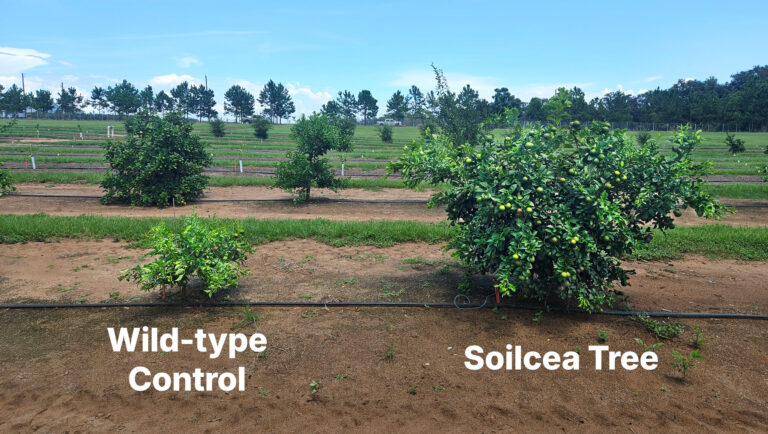
Lagos also said field trials indicate the rootstock maintains its performance under high disease pressure.
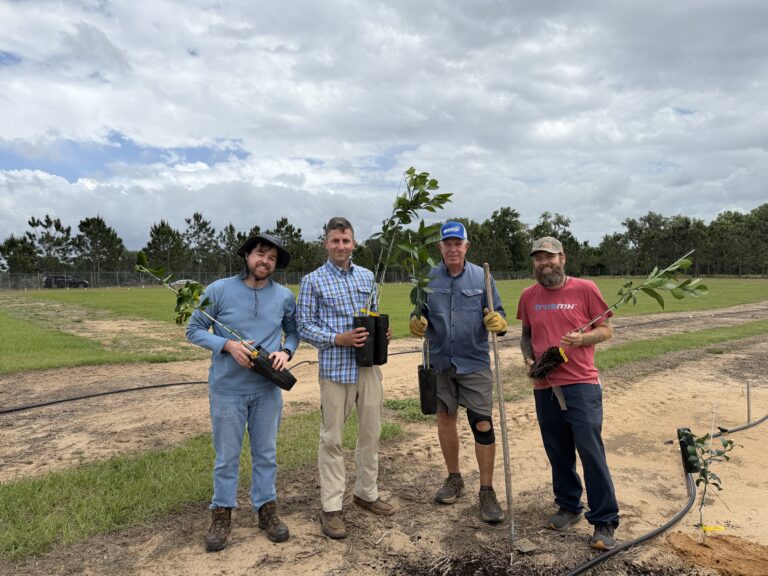
"Even if there's infection in the field, our trees are still performing very well. And that's what we're seeing in our trials,” he stressed.
The company expects growers to pay a premium for the rootstock compared with conventional alternatives. However, Lagos said Florida's Citrus Research and Field Trial Foundation (CRAFT) tree incentive program will help offset adoption costs for eligible growers planting HLB-resistant trees.
He also said growers should require fewer pesticide applications than many currently use to manage HLB vectors, potentially lowering overall input costs.
"Certainly, there's gonna be a reduction in chemical sprays. More like a few times a year instead of, in some cases, over ten times a year. This significantly saves growers money, but also stops these chemicals from being sprayed constantly in the field," he explained.
Growing confidence in gene editing
Lagos said the company's approach differs from traditional genetically modified (GMO) crops because the CRISPR process restores the tree's natural defenses without introducing foreign genetic material into the fruit. He noted that the USDA considers fruit from the rootstock non-bioengineered.
"There's no pesticidal protein created like in a traditional GMO. We're just restoring the tree's natural defenses, which is a process that could occur naturally. There's no foreign material ending up in the fruit, which is really critical on the processor and consumer adoption sides. This really is a natural solution,” he stressed.
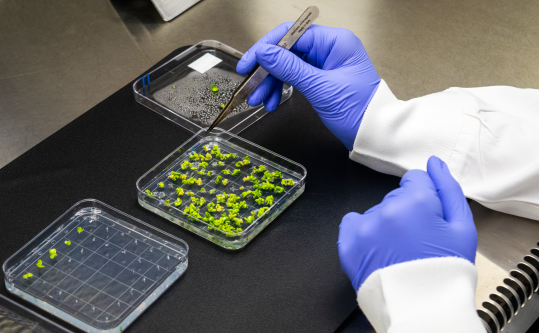
As part of the coordinated federal regulatory review for Soilcea’s CarriCea T1, the EPA and USDA opened a public comment period to evaluate the rootstock’s deregulation. Lagos noted the respondents’ sentiment was extremely favorable, with over 60 positive comments and zero negative ones.
As commercial plantings begin, Lagos said the company's focus is now on expanding grower adoption.
"We're very hopeful for the future and excited about how our trees continue to perform," he concluded.
*All images courtesy of Soilcea.
Related stories
Soilcea's breakthrough CRISPR rootstock offers hope against deadly citrus greening




Subscribe to our newsletter