








Zimbabwe's blueberry exports debut in China




The launch of Zimbabwe's first commercial blueberry exports to China opens one of the world's largest markets for local growers, giving the country an extra push to expand production to meet new demand for premium berries.


The Horticultural Development Council (HDC) celebrated this important milestone, marking the start of what they expect to become a regular export program. More shipments are planned as the industry ramps up production, the organization said.
The first shipment included three trial airfreight pallets. The next shipments being trialed are sea freight with cold sterilization to evaluate the treatment protocols in the agreement with China.
Fresh from Zimbabwe to China
China's demand for high-quality fresh fruit continues to grow.
According to the HDC, this gives Zimbabwean growers access to a valuable new market with huge long-term potential.

"More exports will bring in foreign currency and create opportunities across the value chain, from farms and packhouses to transport and freight," they explain.
China's fruit import standards are tough, they add.
"Reaching this point has taken years of work by the government, growers, exporters and plant health authorities. It shows that Zimbabwe can compete in some of the world's most demanding fresh produce markets," the HDC explained.
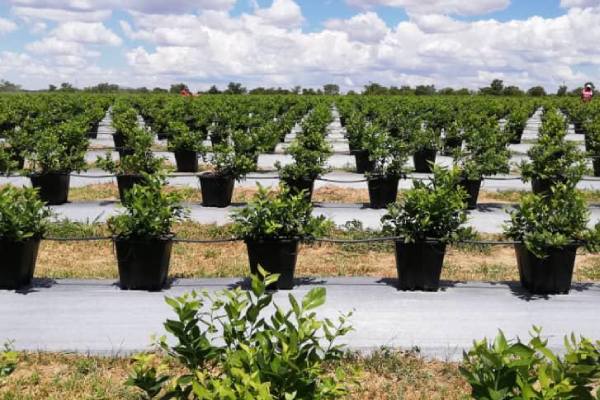
Zimbabwe is now one of the world's fastest-growing blueberry producers. The country's climate produces berries with outstanding flavor, texture and quality, the association said, while its early harvest gives growers an advantage by getting fruit to market ahead of many competitors.
Zimbabwean blueberries are already sold across multiple markets, including Europe and the Middle East. This year, the industry expects to export about 12,000 metric tons from around 2,100 acres, up from 9,500 metric tons produced from a little over 1,600 acres last year.
To make the most of this opportunity, the HDC says the industry needs policies that support investment and growth.
"Affordable long-term finance, efficient export logistics, reliable cold-chain infrastructure and continued investment in plant health systems will help growers expand production, attract investment and keep Zimbabwe competitive in global markets," they conclude.
*All images courtesy of the Horticultural Development Council.
Related stories









Subscribe to our newsletter