Global fruit ripening system market set to surge to $3.4 billion by 2034
 Add Fresh Fruit Portal to Google
The global market for fruit ripening systems, which includes ethylene exposure, temperature, humidity, and airflow control, is on a steady growth trajectory.
Driven by expanding international fruit trade, organized retail development, and substantial cold chain logistics investments, the market is projected to reach $3.4 billion by 2034.
According to a report from Dataintelo, the sector stood at $1.8 billion in 2025 and is forecasted to expand at a compound annual growth rate (CAGR) of 7.3 percent in the next eight years.
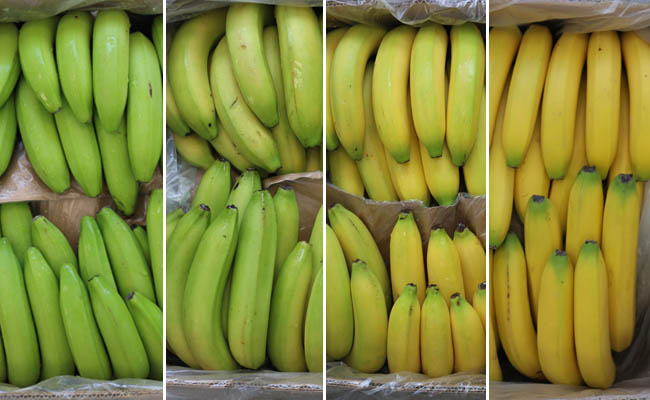
Image by Catalytic Generators
Rising consumer demand for year-round fresh produce is the primary driver behind this expansion, the market insider says.
Ethylene generators remain a dominant technology, while automated ripening chambers represent the fastest-growing sector.
Crucial link in the fresh produce supply chain
Controlled ripening technology plays a fundamental role in modern post-harvest infrastructure by decoupling harvest timing from final fruit maturity.
These systems allow growers, distributors, and retailers to plan logistics better without compromising quality or shrinking margins. Irregular or ineffective ripening can rapidly degrade fruit quality; overripe fruit loses firmness and shelf life, while underripe fruit fails to meet consumer standards for taste, color, and appearance.
Several methods help fine-tune and control product progression. Ethylene activates natural ripening, while precise temperature and airflow adjustments govern its rate and evenness. Moisture control limits water loss and preserves firmness, while oxygen and carbon dioxide adjustments in controlled-atmosphere storage extend shelf life and reduce spoilage.
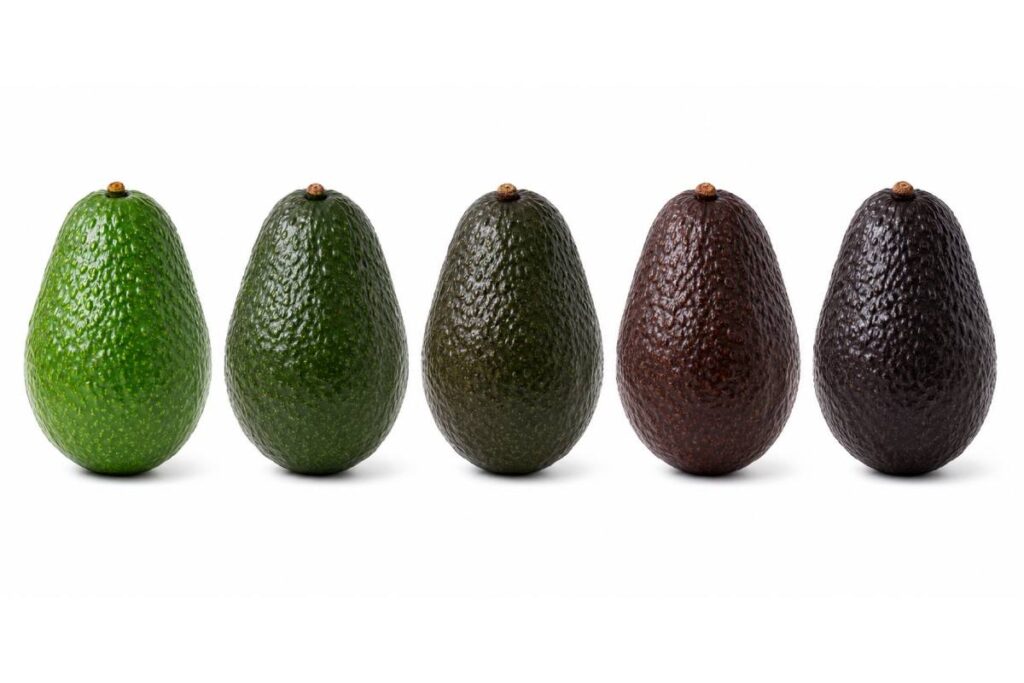
These solutions have become essential for key climacteric categories including bananas, avocados, mangoes, kiwifruit, papayas, and tomatoes. Exporters ship fruit while it remains firm enough to withstand transport, allowing importers and retailers to complete ripening closer to arrival in destination markets.

Image by Shutterstock
This standardized approach improves product reliability, optimizes inventory management, and reduces unsellable food waste across retail shelves.
Regional ripening system market landscape
The Asia Pacific region currently leads the global fruit ripening system market, driven by rapid urbanization, expanding middle-class populations, and major investments in organized retail and cold chain infrastructure. High domestic consumption and bustling import-export trade of tropical fruits further accelerate the adoption of these technologies in the region.
North America represents another crucial market, characterized by mature supply chains, high consumer standards for produce appearance, and widespread adoption of advanced ethylene ripening technologies. Extensive long-distance produce trade between regions and imports from Latin America make controlled ripening chambers essential for local distributors.
Meanwhile, Europe continues to show steady demand, fueled by strict regulations on food waste reduction, sustainability, and quality standards. Importers and retailers throughout the continent rely heavily on automated controlled-atmosphere systems to manage seasonal import volumes and maintain shelf-life stability.
Automation: The next frontier is here
As the fresh produce sector evolves, industry priorities are noticeably shifting. Rather than simply accelerating maturity, stakeholders are using smart, automated ripening technology to maximize precision, improve eating quality, and ensure reliability across expanding global supply networks.
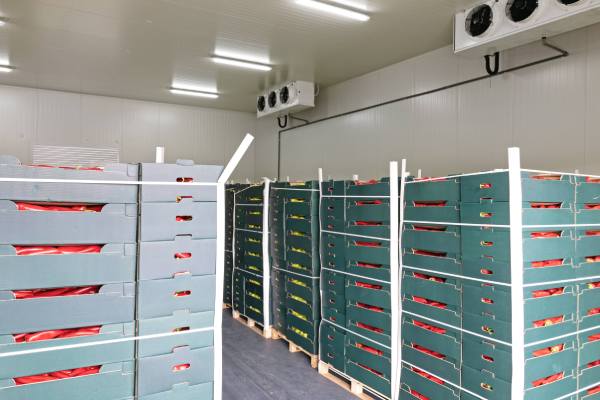
Image by Shutterstock
The future of this technology is rapidly shifting toward smart automation, transforming traditional post-harvest handling into a data-driven science.
Modern facilities rely increasingly on advanced sensors, automatic controllers, remote monitoring, and real-time data logging. These automated tools let operators continuously track chamber conditions and make instant adjustments as environmental variables change.
Furthermore, automated batch tracking lets facility managers log specific parameters, compare fruit performance across origins, and build tailored ripening schedules based on client preferences.
*All images are referential,
Related stories