








Daily avocado consumption linked to reduced heart disease risk in adults with obesity



 Add Fresh Fruit Portal to Google
It is well known that avocados are not only delicious but also pack a number of health benefits. However, that list of good-for-you effects is ever-growing, and researchers at Penn State Department of Nutritional Sciences just added to the roster.


In a June 2026 study published in the Journal of Clinical Lipidology, the academics reveal that incorporating a single avocado into a daily diet can lower key heart disease risk factors in adults with obesity by four percent.
“If people want to improve the quality of their diet, making one small change might be a more feasible strategy than attempting to change their entire diet,” said Janhavi Damani, postdoctoral scholar at Penn State and first author of the study.

An avocado a day keeps your heart in shape
The study centers on low-density lipoprotein (LDL) particles, whose number and size play a distinct role in cardiovascular health.
LDL particles act like delivery trucks for “bad” cholesterol. Adults with abdominal obesity tend to have a higher concentration of smaller particles, which can easily squeeze into artery walls, leading to plaque buildup. Over time, this results in restricted blood flow, increasing blood pressure during physical exertion or stress, effectively elevating heart attack risk.
“Imagine two people with the same high levels of LDL cholesterol. Person A carries their cholesterol in fewer, larger LDL particles, and Person B carries their cholesterol in more, smaller LDL particles. Person B’s heart disease risk would be higher because their overall particle count is higher even though a test of their LDL cholesterol would look identical,” Damani explained.
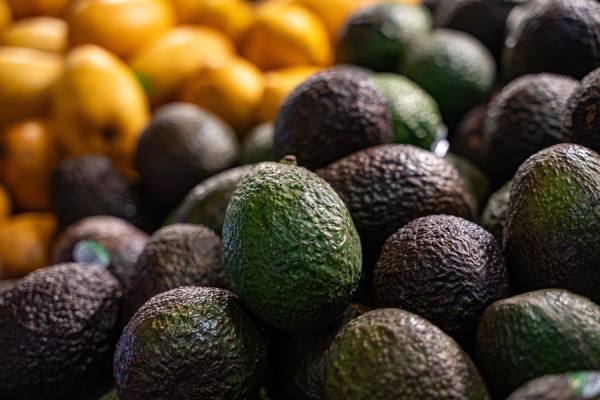
Over six months, participants eating a daily avocado saw their LDL particle count drop by 49 nanomoles per liter, translating into a four percent reduction in the risk of heart disease.
Although the reduction is modest compared to a full dietary makeover, researchers stressed that the findings reflect realistic habits.
“In the course of people’s normal lives, avocado consumption contributes to a healthier diet,” noted Kristina Petersen, associate professor of nutritional sciences at Penn State and senior author of the study.
Study details and methodology
The six-month trial analyzed data from 786 adult participants aged 25 and older.
Subjects were selected based on waist circumference measurements indicating abdominal obesity—greater than 40 inches for men and greater than 35 inches for women.
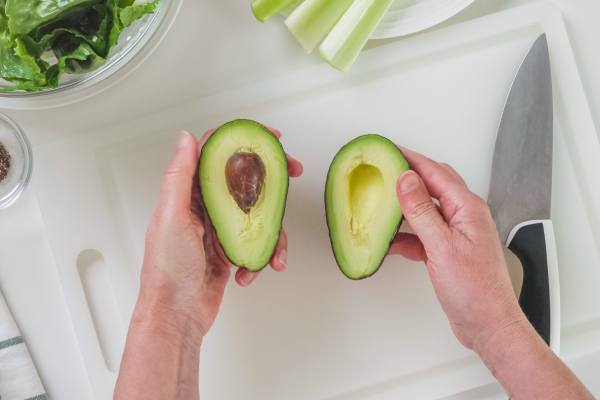
Participants were randomly split into two equal groups: one maintained their typical diet and physical activity, while the other added one whole avocado to their daily routine without making any other lifestyle changes.
*All images are referential via Shutterstock.
The second edition of the Global Avocado Summit will be held on November 11, 2026, at the Monticello Casino Events Center in Santiago, Chile. Organized by Paltas de Chile and Yentzen Group, the meeting seeks to bring together the main players in a growing industry
The event has established itself as a key space for addressing commercial and sustainability issues in the industry, bringing together producers, exporters, buyers, certifiers, and innovators to analyze the sector’s challenges and opportunities.
For more info, contact events@yentzengroup.com
Related stories
Chile promotes research to improve the quality of Hass avocados and reduce black spots








Subscribe to our newsletter