Severe frost event leaves New Zealand avocado growers scratching their heads
 Add Fresh Fruit Portal to Google
“In winter, you can get into the low teens during the day, but you never drop below zero in a regular occurrence,” Brad Siebert, CEO of industry body NZ Avocados, told FreshFruitPortal.com over a video call last week.
This is exactly why producers chose the Bay of Plenty and the northernmost half of Northland, both regions in New Zealand's North Island, to base their avocado operations.
However, as climate patterns shift worldwide, extreme weather events are becoming more frequent, which is why the frost that hit the country on the nights of August 5th and 6th is surprising but hardly shocking.
Still, Siebert says this is the worst the industry has seen since 1995.
During those hours, temperatures dropped and stayed around minus five degrees Celsius (23 degrees Fahrenheit), hitting orchards as harvest was starting to ramp up.
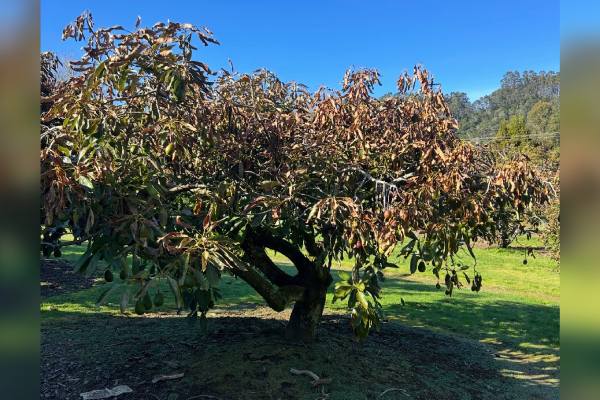
The leader of NZ Avocados says the true damage, both for this season’s crop and the next, is still being assessed. However, what is known is that the blow was anything but uniform, varying widely from orchard to orchard and even from block to block.
“By and large, everyone saw some level of impact, and so we're just trying to quantify that as best we can at the moment,” the executive noted.
Frost protection couldn’t cope
Siebert explains that frost protection systems, which sprinkle water over the trees to bring the atmospheric temperature down, are not as widespread among New Zealand’s avocado growers.
However, if they had been by the time the frost descended upon the orchards, it might have made little difference, as even those who had frost protection experienced damage.
“We dropped below zero in late evening, and it stayed at those temperatures for a really extended amount of time, right through to the morning,” Siebert recalls. “Protection systems either failed or didn't cope with that length of time at that temperature.”
The first night was the worst, the executive added, but knowing the forecast included zero cloud cover and yet another cold night ahead, “just added insult to injury.”
Known damage
In terms of damage, the head of NZ avocados explains that orchards featuring early flowering probably lost all of them, as they immediately browned. However, he’s adamant that the damage could’ve been much worse had the frost happened later in the season, when flowering is widespread across producing regions.
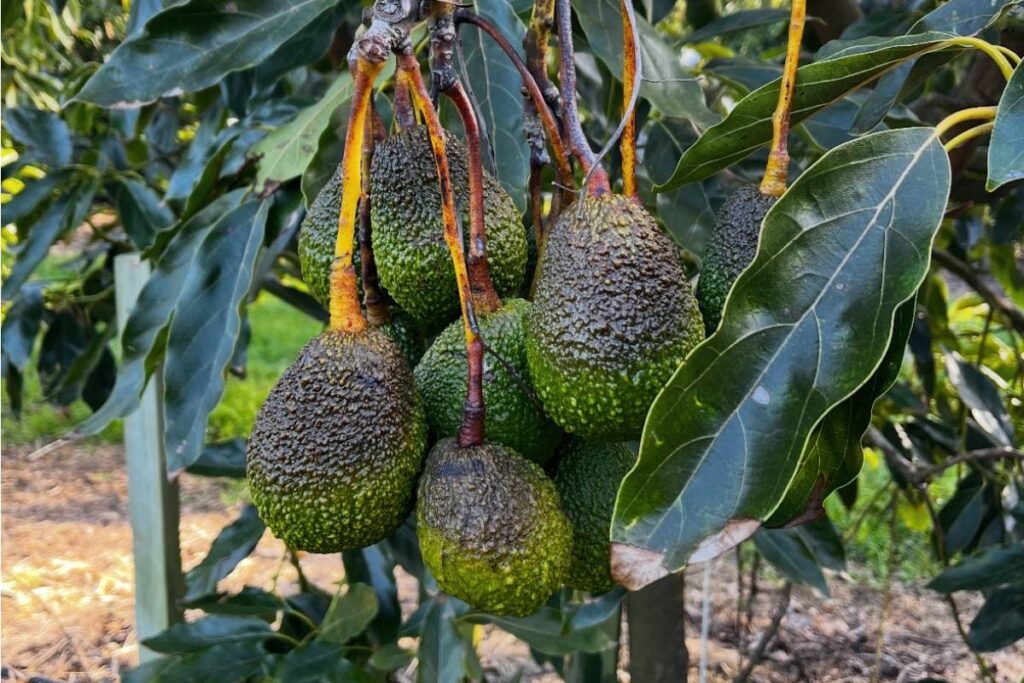
As harvest was ramping up when the temperature dipped, the executive expects some chilling damage to the fruit, as well as some fruit drop, which will become more evident in the upcoming weeks as the stems holding the avocados die off.
Siebert explains that due to the industry’s strict food safety standards, dropped fruit is completely discarded.
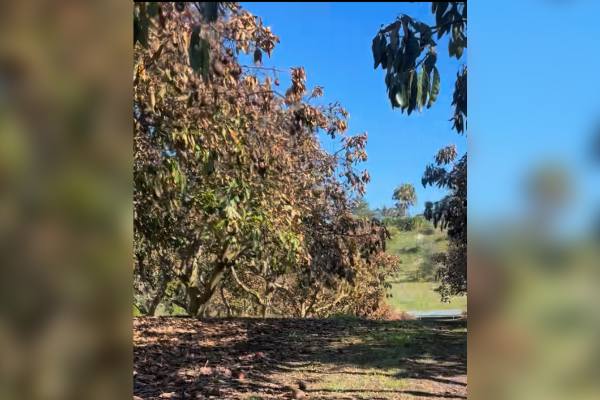
“Any fruit that touches the ground, regardless of the frost events, isn't viable to be put in the export bin or domestic bin,” he said, adding that avocados with visible frost damage suffer the same fate.
But New Zealand growers go above and beyond to protect the country’s impeccable reputation as an agricultural producer and exporter. To ensure consistent quality across the board and meet the requirements of the demanding markets the industry serves, Siebert said the sector is excluding entire orchard blocks that may have been heavily affected by the frost.
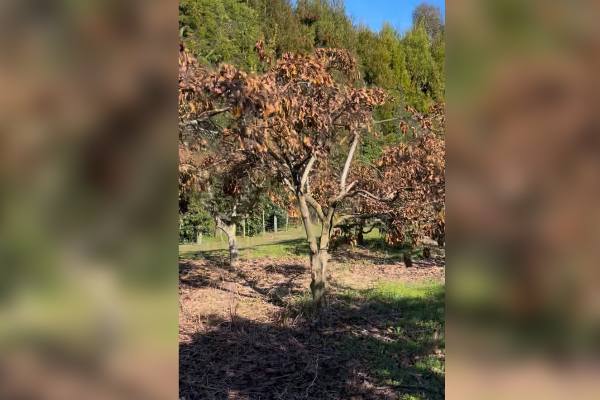
Naturally, the freezing temperatures also resulted in foliar damage, clearly visible in trees with browning leaves. In most cases, pruning may be a grower's knee-jerk reaction to this kind of impact, but NZ Avocados has called for caution.
“Our message is really to wait until spring to see where the new growth is erupting from before you get in there with a chainsaw,” Siebert explains.
Thoroughly understanding the damage and working with advisors, the industry leader said, is the best approach to give trees the best chance at recovery and prevent overpruning. The latter is especially problematic, as it can reduce the energy trees need to bounce back and grow fruit, and make leaf cover unnecessarily sparse, which can lead to sunburned fruit.
A positive outlook
As heartbreaking as an extreme weather event might be for individual growers, Siebert said the industry is resilient, and all the ingredients are there for a good season.
“There is the potential to have a very slight reduction in the available volumes, but I don't think that will impact our ability to service those markets that we've committed to,” he claimed.
The seasonal timeline hasn’t changed either. Shipments started leaving for Asia in July, and the sector is currently focusing on exports to North America, with much of the fruit headed for Canada. New Zealand avocados will then travel to neighboring Australia and continue servicing Asian markets until February.
The current crop estimate, released on July 30 and the second of the season, projects total production at 7.4 million 5.5-kilo (12-pound) trays, reflecting a six percent drop from the first forecast.
The industry continues to assess the aftermath of the cold snap and plans to issue a third report at the end of August to provide a clearer picture of the weather event’s true impact.
“We're doing our darndest to make sure we continue to provide top quality avocados, both locally and internationally,” Siebert concluded. “We've got all the practices in place, from the industry standards right through to post-harvest operators, to make sure that we manage the impacted fruit appropriately. And so it still remains a pretty positive season.”
*All images courtesy of Brad Siebert.
The second edition of the Global Avocado Summit will be held on November 11, 2026, at the Monticello Casino Events Center in Santiago, Chile. Organized by Paltas de Chile and Yentzen Group, the meeting seeks to bring together the main players in a growing industry
The event has established itself as a key space for addressing commercial and sustainability issues in the industry, bringing together producers, exporters, buyers, certifiers, and innovators to analyze the sector’s challenges and opportunities.
For more info, contact events@yentzengroup.com
Related stories