USDA ARS’s path to finding a more efficient, HLB-resistant citrus fruit
 Add Fresh Fruit Portal to Google
By Jessica Ryan, USDA’s Agricultural Research Service’s Office of Communications
As the saying goes, one person’s trash (or compost) is another person's treasure.
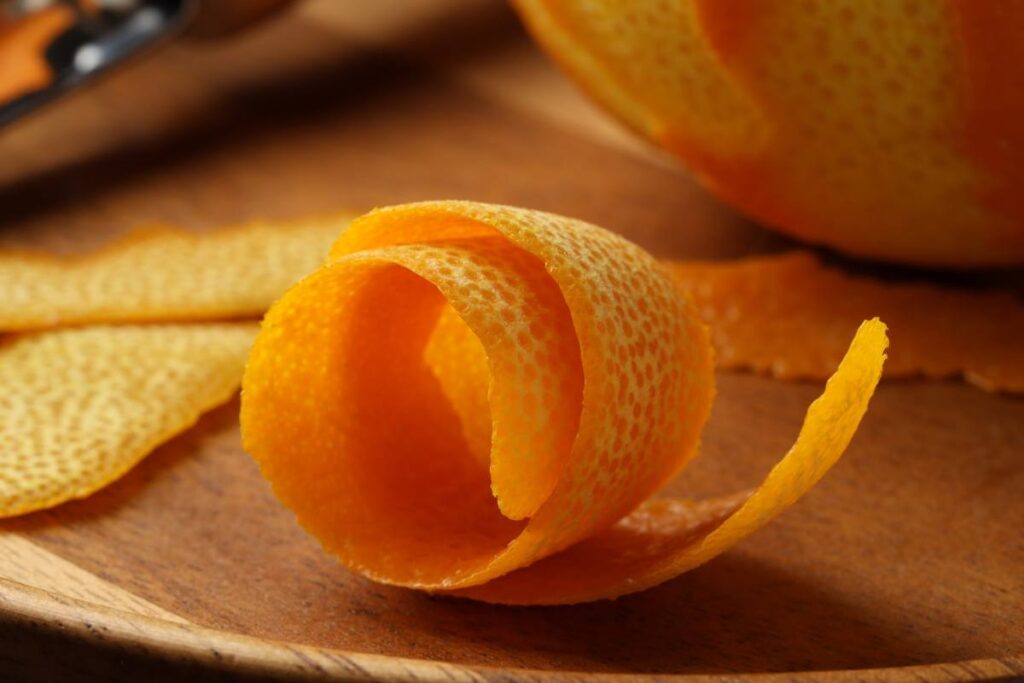
While many people throw away citrus peels because they are usually too bitter to eat raw, this outer layer of the fruit’s skin is a rich source of many sought-after beneficial compounds and is in demand for companies seeking to use those compounds for health and pharmaceutical products.
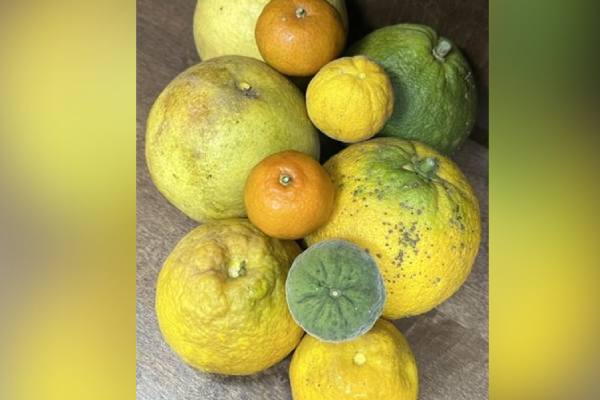
Image by Christina Dorado, ARS
Florida farmers and producers have been battling to save their industry for over 20 years from Huanglongbing (HLB). This disease, also known as greening, was first found in 2005 in Florida and is now endemic. It poses a serious threat to the US industry and is now present in Arizona, Texas, and California.
Citrus greening infects trees and their fruits, resulting in reduced production and increased bitterness, which equates to economic losses for farmers and producers.
“One way that Agricultural Research Service (ARS) is helping farmers is developing citrus varieties and hybrids that show tolerance to greening,” said Christina Dorado, Lead Scientist and Chemist at the US Horticultural Research Laboratory’s Citrus and Other Subtropical Products Research Unit in Fort Pierce, FL.
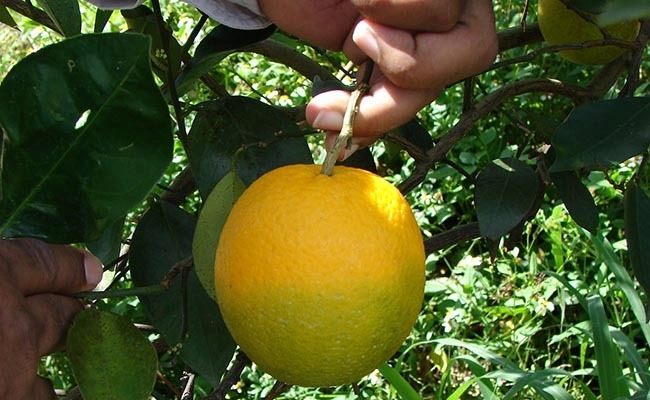
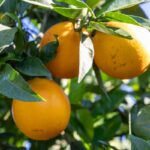
Image by USDA
Finding a highly efficient, disease-resistant citrus fruit
Dorado explained that the goal is to develop varieties and hybrids that are viable for commercial production, and that, for farmers, it is not just about growing fruits for food or juicing.
“The citrus peels are valuable too because they are good sources of antioxidants and anti-inflammatory compounds,” she added.
In a recent study, Dorado and her team assessed 22 different varieties and new unique hybrids for the presence of these antioxidants and anti-inflammatory compounds, also known as their phenolic profile, in the fruit peel. Each variety and hybrid has a phenolic profile with the potential to be used for precision nutrition and health supplement applications.
Among the key research insights, Dorado and her team found that mandarin varieties had high levels of beneficial flavonoids called polymethoxylated flavones (PMFs), especially nobiletin and tangeretin. Additionally, they also discovered that mandarin x pummelo hybrids contained both PMFs and coumarins, which are largely absent in citrus and have shown potentially beneficial biological actions.
On the orange front, experts at the Horticultural Research Laboratory reported that the two trifoliate oranges, Flying Dragon and Gotha Road, showed significant differences in their phenolic profiles: Gotha Road had more coumarins, while Flying Dragon had more psoralens, compounds structurally related to coumarins.
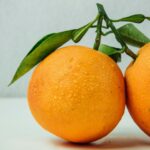
Referential image via Shutterstock.
Meanwhile, hybrids of mandarins with trifoliate orange parents often combined unique compounds from both species, creating new chemical profiles not found in traditional citrus varieties.
A path to widen citrus horizons
While the fruits tested in the study are not yet available for commercial production, the research shows promise that these fruits can be valuable for farmers.
“We found that these hybrids and varieties have a lot of beneficial compounds that are not found in traditional citrus fruits like oranges, limes, lemons, and grapefruits, and so have not been studied as much or at all,” said Dorado.
According to the academic, more research is underway to study the health effects of the compound mixtures of these fruits.
This piece was originally published on the USDA’s Agricultural Research Service website in July 2026.
*Main image is referential via Shutterstock.
Related content
From weather challenges to export success: A look into the 2026 Southern Hemisphere citrus season
Chilean citrus projects six percent growth for its 2026 campaign