Opinion | Yet another hurdle for the South African citrus industry
 Add Fresh Fruit Portal to Google
By Boitshoko Ntshabele, CEO of South Africa’s Citrus Growers’ Association.
The morning of Friday the 24th of July 2026 saw the Trump administration install tariffs on 60 countries, ostensibly in relation to issues concerning trade relations with countries that practice forced labor. These are referred to as "Section 301" tariffs.
We understand that goods loaded on vessels before 24 July and arrived in the US before the 28th are exempt.
This tariff decision followed investigations by the US Trade Representative over the last four months. Several countries were hit with 10 percent tariffs, whilst others, including South Africa, were set on a 12,5 percent tariff. The investigations preceding the announcement saw various organizations making input, and some even attended physical sessions in April, as well as a follow-up round in early July.
A new kind of tariff
My take is that these tariffs are now final, and unlike ‘Liberation Day tariffs’ which were ruled to have been noncompliant with statutes in February of this year, would remain in place at least up to the end of this administration, unless ended by some legal outcome. One also has a sense that a reduction for South Africa of the current rate to a lower 10 percent is possible if a SA-US trade deal is realized.
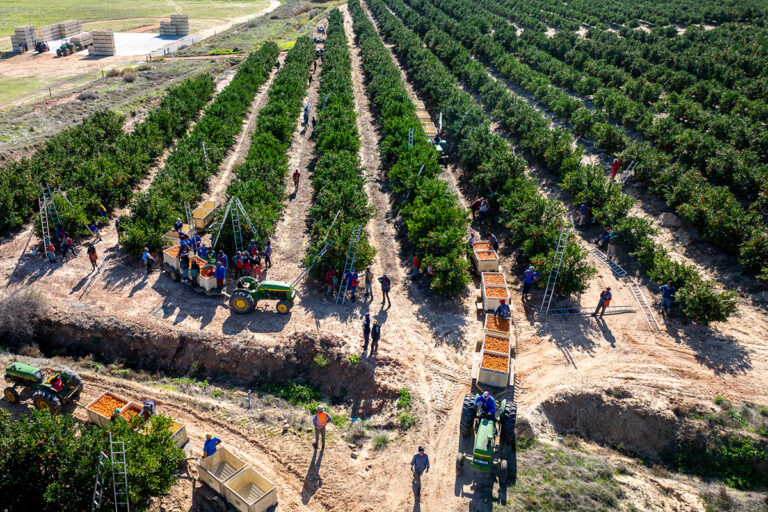
For our citrus exports, oranges remain excluded, but lemons, mandarins and grapefruit are subject to the tariff. Importantly, our competitors in that market are also sitting with a 12,5 percent tariff.
We have contacted the Department of Trade, Industry and Competition (DTIC) and made a call to expedite negotiations towards the conclusion of a deal with their US counterparts. There is a glimmer of hope for such an eventuality.
As the CGA, we met the recently appointed Ambassador to the US, Roelf Meyer, and we are hopeful, on the back of recent media reports, that we will see some semblance of normalization between the two nations. We have also previously pointed out that the appointment of Deputy Minister Steenhuisen to the DTIC has the potential for a positive outcome in terms of market access. He has previously made successful inroads on technical market access at the Department of Agriculture and could assist significantly in dealing with tariff-related issues which continue to block true growth in our sector.
The US market is accessed by the Western and Northern Cape growers only, and there is an opportunity to finally expand not only US access, but access in other key markets as well.
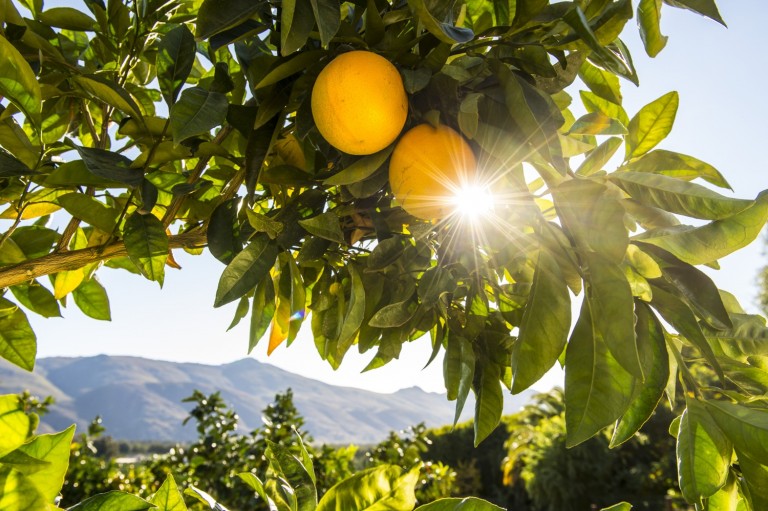
We are now at the peak of the export season. It's fair to say growers have been tested from every direction this year. Between one curveball and the next, it's starting to feel like a season many would rather forget, and what is, in effect, an addition of a 2.5 percent tariff on mandarin, lemon and grapefruit exports to the US, only adds to the list.
We will keep working through it, as we always do.
This piece was originally published on the CGA website on July 31, 2026, as part of the entity’s From the Desk of the CEO series.
*All images courtesy of CGA | Archive.
Related stories
South Africa is now the world’s biggest citrus exporter
South Africa: Late mandarin exports stabilize in 2026 with slight drop