Mineral nutrition: The key to more competitive mango production
 Add Fresh Fruit Portal to Google
By Francisco Seva Rivadulla, international agri-food journalist
Global mango production faces significant challenges related to climate change, efficiency in nutrient use, sustainable production systems, and growing demand for high-quality international fruit.
In this context, agricultural engineer Eduardo Ferraz presented his conference "Mineral Nutrition and Applied Physiology," where he emphasized the main strategies for optimizing yields and improving the competitiveness of mango production.
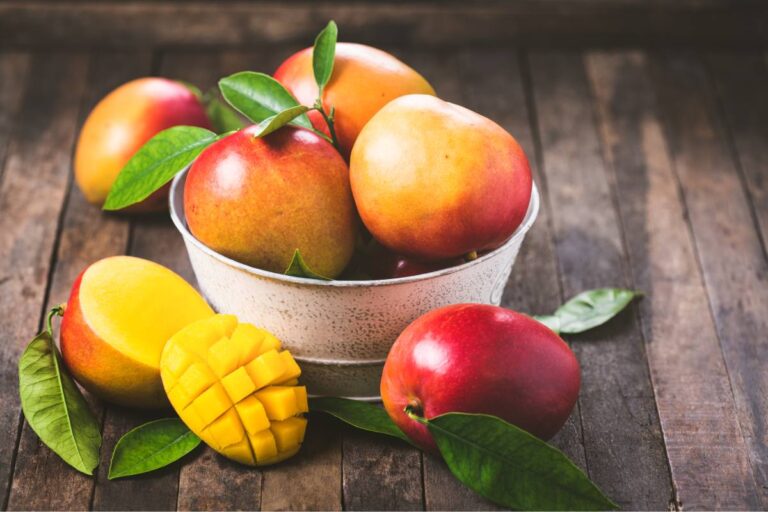
According to the expert, understanding the physiological functioning of the plant is fundamental for designing more efficient and precise nutrition programs. Appropriate management, based on the crop’s real needs at each stage of its development, promotes balanced growth, more uniform flowering, better fruit set, and a higher quality harvest.
Minerals for more and better mango
The specialist highlighted that mineral nutrition must be understood as a strategic tool to maximize the productive potential of orchards.
Efficient nutrient management not only increases productivity but also improves the size, firmness, color, and internal quality of the fruit, prolonging its post-harvest life and contributing to greater profitability for producers.
He also stressed the importance of adapting fertilization strategies to the conditions of each farm and the different phenological phases of the crop, allowing for more efficient use of resources and reducing environmental impact.
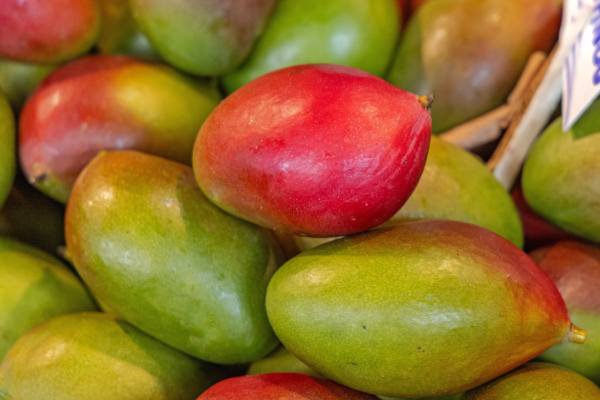
In this regard, he pointed out that modern agriculture must increasingly rely on scientific knowledge and precision management tools to meet the current challenges of fruit growing.
The conference brought together producers, technical advisors, and sector professionals interested in learning about the latest innovations in plant nutrition and applied physiology. The exchange of knowledge highlighted the growing need to integrate research with agricultural practices to improve the productivity and sustainability of the mango industry.
The event also served to reaffirm the importance of technical training and knowledge transfer as drivers of innovation for the sector. Attendees agreed that permanent updates and the incorporation of new technologies will be crucial for facing the challenges posed by the international market.
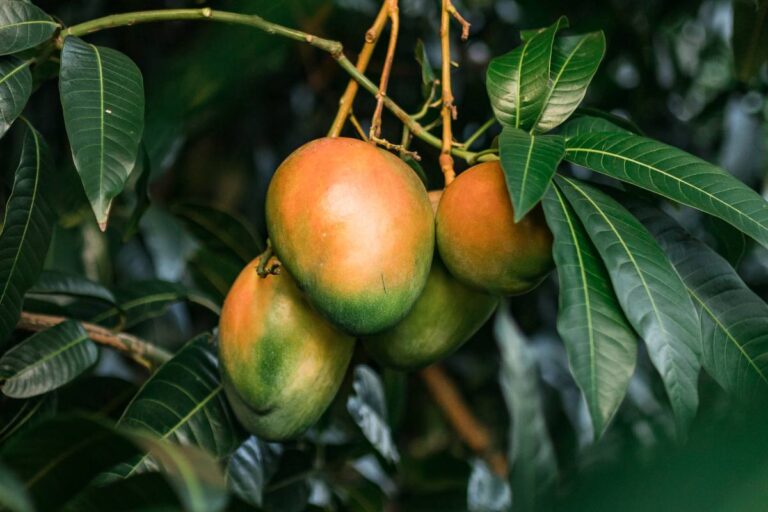
In a scenario where quality, sustainability, and profitability are increasingly decisive factors, Eduardo Ferraz emphasized that a correct integration of mineral nutrition and applied physiology constitutes one of the pillars for producing higher quality mangoes, strengthening the competitiveness of producers, and guaranteeing the sustainable growth of the industry in the coming years.
*All images are referential via Shutterstock.
Related stories
Colombian mango conquers the world: The challenges and opportunities of its international expansion
Record July heat leaves Piura mango flowering near 10 percent