Jalisco launches ambitious plan to enhance mango health and reduce fruit fly populations
 Add Fresh Fruit Portal to Google
by Francisco Seva Rivadulla, international agri-food journalist.
The Food Health, Safety, and Quality Agency of Jalisco (ASICA) has launched a comprehensive plan to boost the competitiveness of Mexican mangoes by improving their phytosanitary status and focusing particularly on fruit fly control.
Established in 2020 following the passage of the Jalisco Agrifood Law, the agency has become a national benchmark by consolidating plant and animal health, aquaculture, and food safety under a single governing body.
A comprehensive plan for mango health
According to Federico Armando Pérez Mejía, Director of Agrifood Management at ASICA, his office is working in coordination with the Mango Exporters Association of Mexico (EMEX), the Jalisco Department of Agriculture, and Local Plant Health Boards to develop a program that addresses not only plant health, but also productivity, crop nutrition, flowering management, and grower organization.
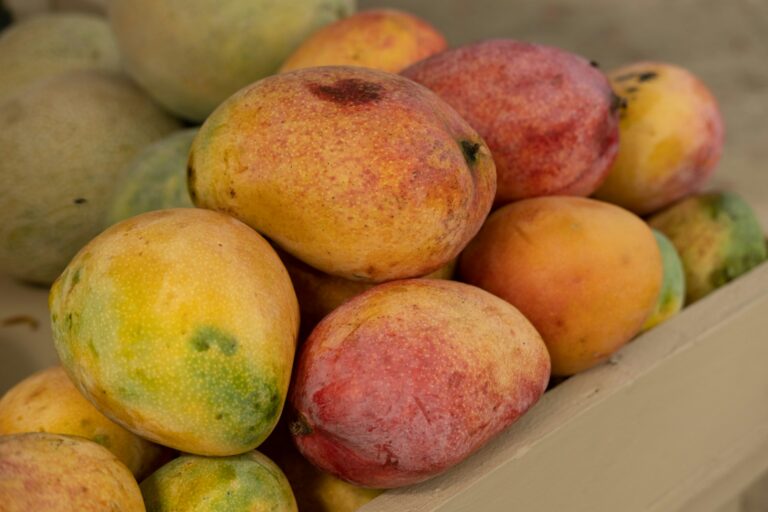
The primary objective is to elevate the competitiveness of Jalisco-grown mangoes and facilitate entry into new international markets.
The fight against fruit fly
A core priority of the project is reducing the incidence of the fruit fly, which is considered the main phytosanitary barrier to exports.
A pilot program will launch in 2026 covering approximately 3,700 acres in the municipality of Tomatlán, one of the state’s key production hubs.
Key initiatives include installing bait stations, intensifying trapping efforts to monitor pest levels, using drones over targeted areas, and continuously surveilling affected fields to suppress insect populations
The goal is to identify orchards temporarily free of the fruit fly by 2027, with the region obtaining official recognition as a low-prevalence area by 2028.
Subsequent efforts will focus on securing a pest-free area designation, which would mark a major milestone for Jalisco's entire mango industry.
Improving phytosanitary status would reduce reliance on quarantine treatments, such as the hot water treatment currently required by markets like the United States.
For exporters, this translates to lower costs, increased competitiveness, and a stronger market position for Mexican mangoes.
An ongoing challenge
Pérez acknowledged that achieving a completely pest-free agricultural system is virtually impossible, as these types of organisms and pathogens are an inherent part of natural ecosystems.
However, he emphasized that maintaining populations below economic damage thresholds is achievable through continuous surveillance, prevention programs, and technological innovation.
He also cautioned that climate change could encourage the emergence of new pests and alter the behavior of existing ones, making constant vigilance essential.
The ASICA director remains optimistic, asserting that Jalisco is taking decisive steps to improve the health of its mango production.
Success in this project would enhance the sector's overall competitiveness, facilitate access to new global markets, and solidify the state's status as one of Mexico’s leading mango-producing regions.
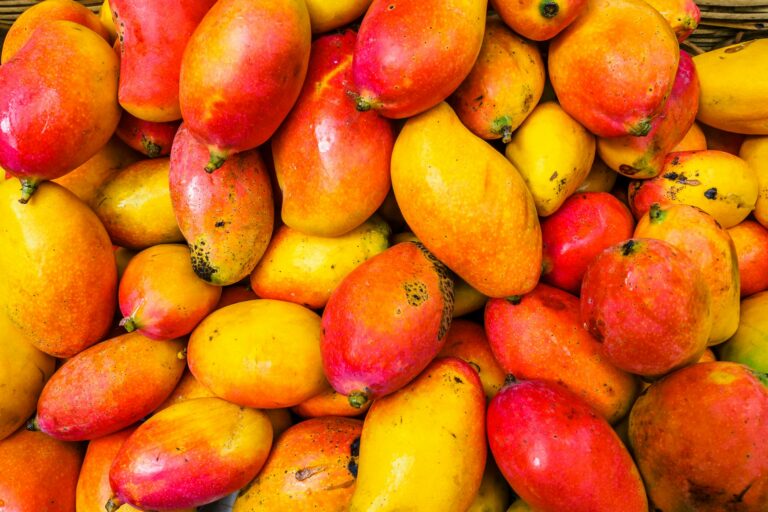
*All images are referential via Unsplash.
Related stories