Revolutionizing trade routes: How Green Tide Logistics is transforming Mexico–US shipping
 Add Fresh Fruit Portal to Google
By Green Tide Logistics
Historically, commercial trade between Mexico and North America has relied almost exclusively on overland transport. Nearly 95 percent of goods crossing Mexico's northern border do so aboard cargo trucks or railcars. However, factors such as escalating congestion at border crossings, lengthy inspection delays, highway safety concerns, carrier rate volatility, and highway weight limitations for heavier cargo have begun to overburden this traditional model.
Against this backdrop, Green Tide Logistics—a Vessel Operating Common Carrier (VOCC) of Mexican origin—entered the market in September last year to offer an efficient, cost-effective, and sustainable alternative through Short Sea Shipping.
Highly competitive transit times
One of the primary hesitations exporters face when considering a move from trucking to ocean freight has historically been the perception of transit speed. Global mega-carriers typically offer cross-border routes involving multiple calls or transshipments at ports like Cartagena, Colombia, or Manzanillo, Panama, pushing total transit times up to 20 or 30 days.
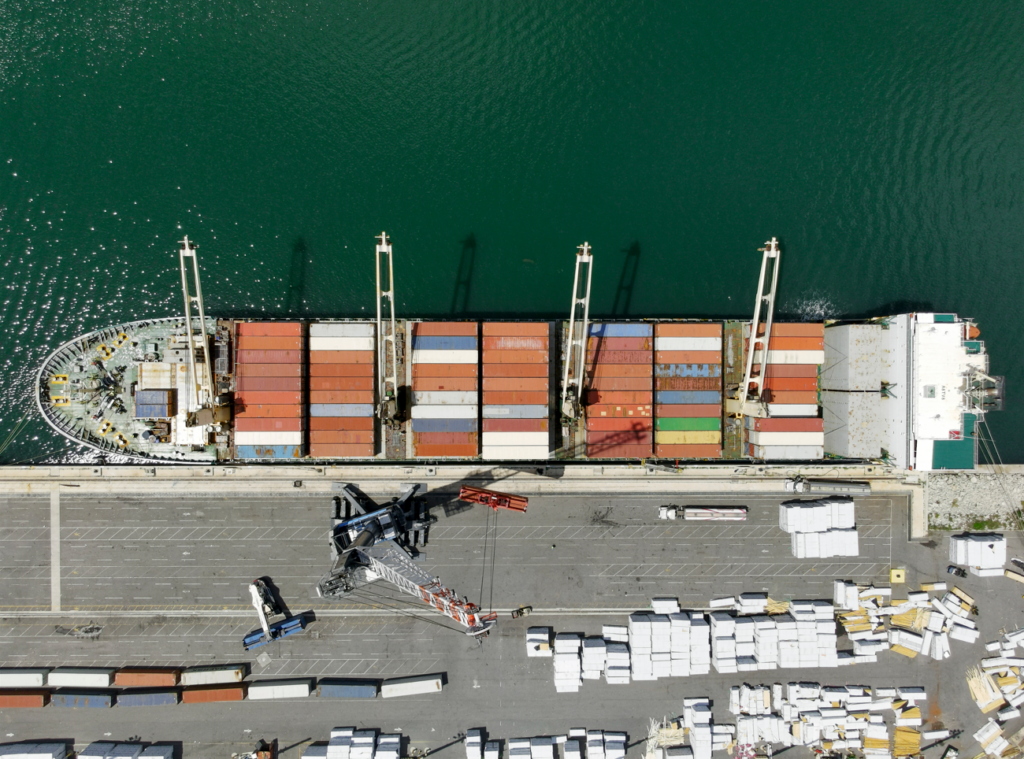
 Green Tide Logistics is challenging this traditional model through its Gulf of Mexico–US East Coast short-sea network, with Tuxpan serving as a principal Mexican gateway and strategic US gateways including Port Canaveral, Florida, and the Philadelphia (Gloucester, NJ port).
"With door-to-door trucking, the journey traditionally takes six to seven days. Our direct maritime service offers approximately four days port-to-port to Florida and six days to the Philadelphia region, providing highly competitive total transit times while reducing exposure to border-crossing uncertainty," highlights Hans Schriwer, Chief Executive Officer of Green Tide Logistics.
Financial savings and enhanced cargo capacity
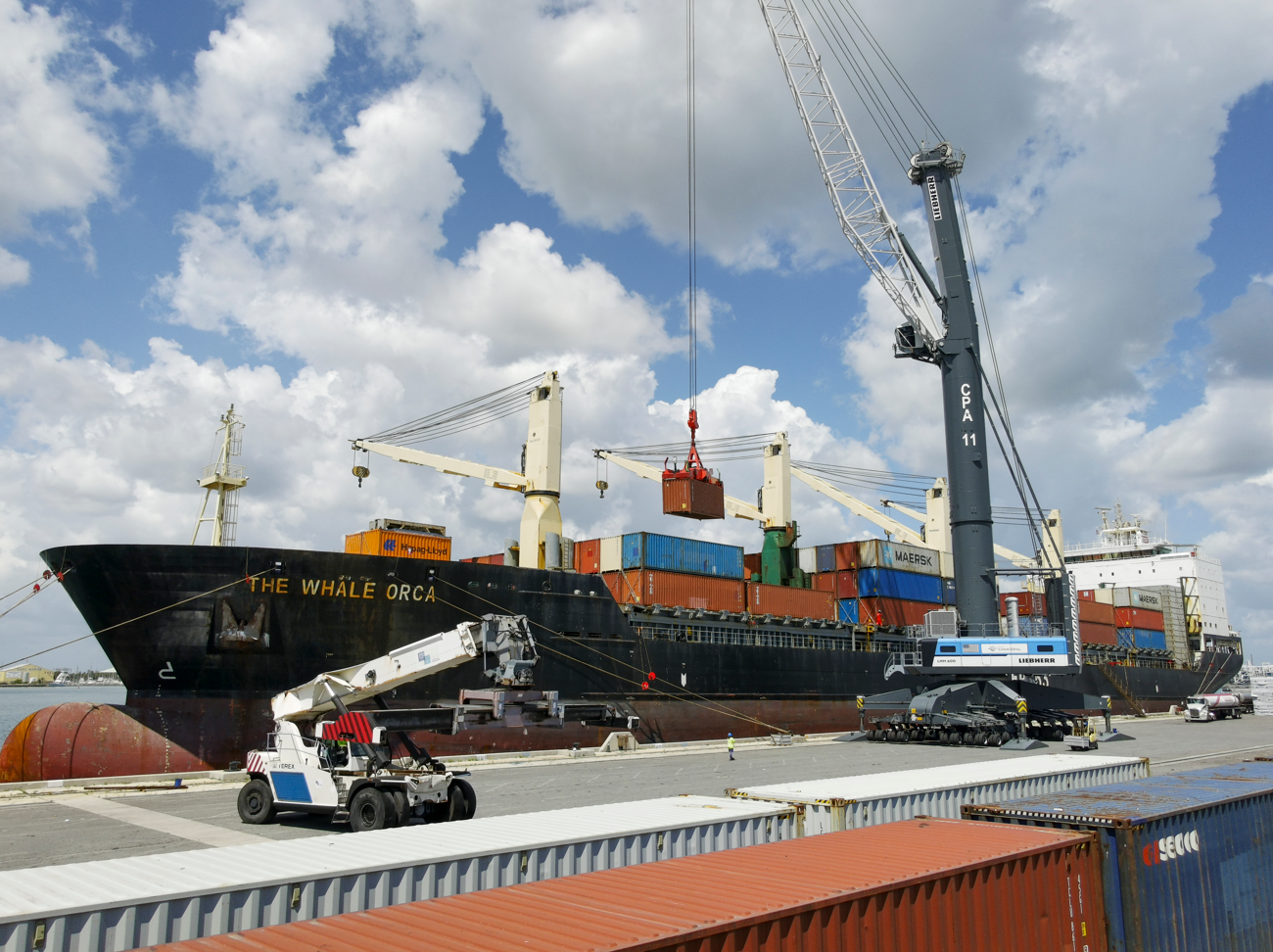
Beyond speed, the economic equation is compelling for both exporters and importers. Maritime logistics enables the movement of significant cargo volumes with an efficient unit-cost structure compared with long-haul highway transport.
"In suitable lanes and depending on origin, destination, cargo profile, and equipment utilization, customers can achieve logistics savings of approximately 20 percent to 40 percent compared with all-truck transportation," Schriwer explains.
Additionally, maritime shipping can provide greater flexibility for heavier cargo by moving the long-haul portion of the journey by sea rather than highway. This can significantly reduce the overland distance subject to US gross vehicle weight and axle-weight limitations, while inland road movements remain subject to all applicable weight regulations.
Green Tide Logistics is committed to sustainability (ESG)
In today's corporate landscape—where meeting environmental goals and decarbonizing supply chains are C-suite priorities—maritime transport offers a decisive competitive edge.
"Major corporations are actively seeking ways to cut their CO₂ emissions. By shifting the long-haul portion of the journey from highway to sea, customers can materially reduce transportation-related emissions and support corporate decarbonization objectives," notes the Green Tide Logistics executive.
This supports the sustainability and Environmental, Social, and Governance (ESG) objectives increasingly incorporated into the procurement and supply-chain strategies of major retailers, manufacturers, and distributors across North America.
Operational capacity and future growth
Green Tide Logistics operates dedicated chartered tonnage specifically deployed to support its Mexico–US short-sea network. While cargo ranges from home appliances and industrial parts to general consumer goods, a key segment of its volume is dedicated to seasonal produce, such as citrus fruits (lemons and oranges), grapes, and berries.
The carrier currently operates bi-weekly sailings. As part of its expansion plan, GTL plans to transition to weekly service during the second half of 2026.
Furthermore, Green Tide continues to develop its operation through strategic relationships and infrastructure partners supporting the expansion of its North American short-sea network.
Client success and industry endorsement
The value proposition of Green Tide Logistics is endorsed by leading global brand names that have successfully integrated short-sea shipping into their daily operations. A prominent reference comes from Bumble Bee Foods, LLC, which has maintained an active partnership with GTL since 2025.
"During our engagement, Green Tide Logistics has consistently demonstrated a high level of professionalism, reliability, and competence in logistics services, consistently meeting agreed-upon timelines and supporting our operational needs. We have found GTL to be responsive, solution-oriented, and adaptable to changing requirements while maintaining quality standards.
Their performance has met or exceeded our expectations, and they have proven to be a dependable business partner. Based on our experience, we are confident in referring Green Tide Logistics and have no hesitation in recommending them for your supply chain and logistics requirements.", said Raquel Samawi, Sr. Transportation Manager, Bumble Bee Foods LLC.
A necessary shift in mindset
Despite the clear advantages in cost, security, and sustainability, shifting decades-old supply chain habits requires market education and advocacy.
"For decades, North American supply chains have been built around the flexibility of daily trucking. Changing an established logistics model takes time. But when customers evaluate the economics, cargo security, capacity, and emissions profile, short-sea shipping becomes a compelling additional tool in the North American supply chain," concludes Hans Schriwer.
Contact:
Hans Schriwer | Chief Executive Officer
hans_schriwer@greentidelogistics.com
www.greentidelogistics.com
Related stories
Maersk’s new logistics protocol to streamline entry of Chilean grapes into the US
Opinion | Cold treatment is what opens markets for fruit—or closes them