A light of hope: Florida citrus demand remains steady despite historical production decline
 Add Fresh Fruit Portal to Google
Despite the dramatic production decline of Florida citrus in the past 10 years, demand for the category remains resilient and ready to support a long-awaited industry comeback.
According to Marisa L. Zansler, Director of the Economic and Market Research Department of the Florida Department of Citrus in Bartow, brand awareness has stayed consistent thanks to continuous financial efforts that support category promotion.
“The investment reinforces what the Florida Sunshine Tree stands for in the minds of consumers: quality, genuineness, freshness and a product cultivated by citrus-growing families,” the expert writes for specialized news outlet Citrus Industry.
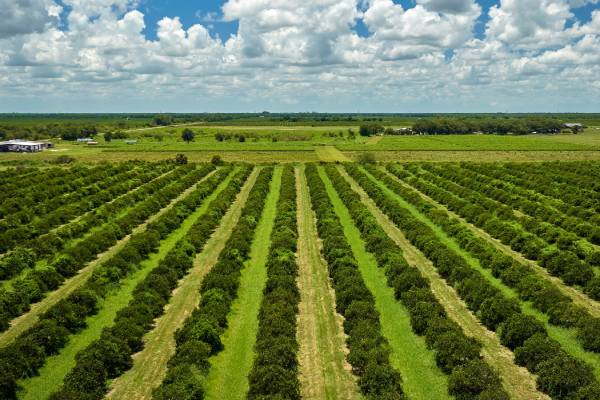
In the past decade, Sunshine State producers have been hit on multiple fronts, including the decimating effects of greening disease and the devastation of hurricanes, resulting in lower yields and lower-quality fruit. These factors compound an already dire scenario marked by shrinking acreage and high input costs, leading to an 85 percent drop in production since 2016.
Climate change has proven an inescapable and unpredictable challenge, but the industry has been making strides in the fight against greening disease. Innovations such as new genetically modified, disease-resistant varieties and ground-breaking inoculating treatments shine a light at the end of the tunnel, setting the sector up for a comeback that, according to Zansler, consumers in the United States are more than ready for.
The importance of brand awareness for Florida citrus
Americans haven’t forgotten about the Florida citrus brand and the data backs it up. According to the expert, an average of 34 percent of consumers in the US reported seeing the state’s logo in advertisements on a monthly basis over the past 10 years.
“The key indicator here is awareness of Florida and the brand equity,” Zansler adds. “Annual awareness varied by only about six percentage points (30.6 percent to 36.6 percent), indicating relatively stable consumer recognition despite significant changes in Florida citrus production over time.”
Most importantly, consumers are putting their money where their mouth is. According to NielsenIQ data, Americans are willing to pay premium prices for 100 percent orange juice, with retail sales for the category rising by two percent in 2026. That is despite rising grocery prices in the US, a pressured economy, and citrus prices up nine percent at retail this year.
“Florida’s brand equity has been overlooked in recent years, partly because it cannot be measured in boxes of fruit or pounds of solids. Yet, it continues to be one of the most valuable assets in the industry,” the Florida Department of Citrus specialist writes.
But Zansler is adamant that these results are no coincidence, and maintaining consumer awareness has been long in the making. The effort has definitely paid off, and today’s investments will set fertile ground for tomorrow’s crop.
“Much like the rebuilding efforts of Florida’s crop, regaining lost brand equity and consumer loyalty would take decades,” the expert adds.
The latest forecast by the US Department of Agriculture estimates Florida orange production up 11 percent, while mandarins, grapefruit, and tangerines are expected to see a slight two percent hike.
“This progress is a testament to the perseverance of our state’s citrus growers, the dedication of researchers, and the commitment of our state and federal leaders for championing this industry and investing in the tools driving its revitalization,” said Florida Citrus Mutual CEO Matt Joyner in a press release celebrating the projection.
The Sunshine State’s 2026/2027 season is ready to kick off, with harvest expected to begin in September.
*All images are referential via Shutterstock.
Related stories
Florida citrus to receive nearly $196 million in state investment
EPA approves first CRISPR-edited rootstock to offer greening tolerance for Florida citrus
Florida citrus challenges freeze woes with new (and improved) forecast