








Australian industry bodies unite against visa delays threatening entry of migrant workforce
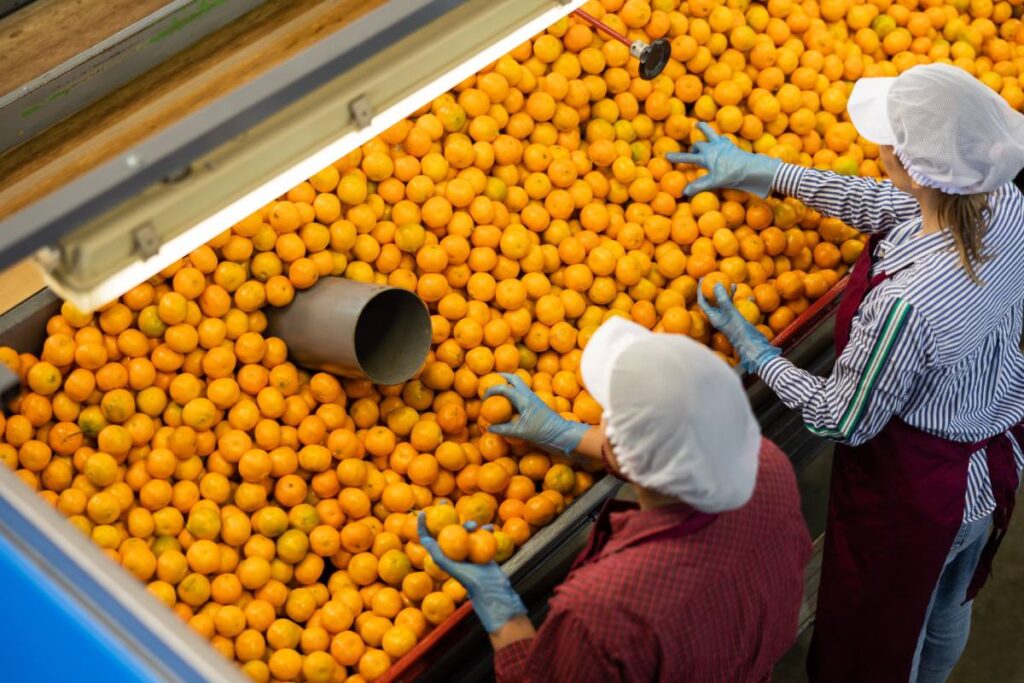



Industry body Citrus Australia has raised serious concerns about recent changes to the Working Holiday Maker (WHM) program, warning that slower visa processing threatens the industry's ability to secure the workforce it needs each season.


“Our industry picks close to a million metric tons of fruit each year, nearly all of it by hand, and we need every single worker we can get,” Citrus Australia CEO Nathan Hancock said.
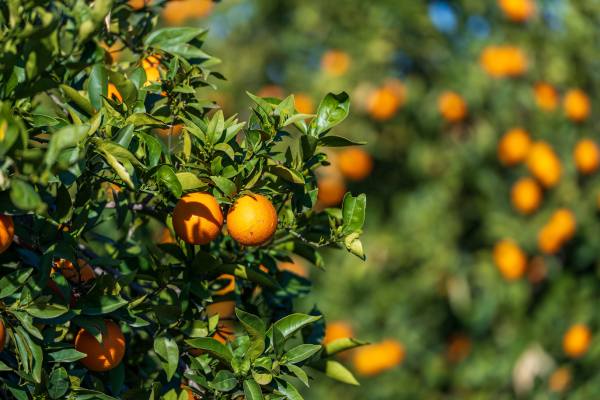
Image by Shutterstock
WHM visa beneficiaries make up around 44 percent of the country’s peak harvest workforce, says the organization. The organization added that a reduction in their numbers presents “a critical threat” to local growers and the country’s ability to meet the expectations of trading partners, particularly in Asia.
“Working Holiday Makers do essential work where a genuine and persistent labor market failure exists,” Hancock explained. “The visa’s specified work provisions exist for exactly this reason: to direct labor to the regions and industries where Australians cannot be attracted in sufficient numbers.”
Australia's multi-industry for the WHM visa program
Citrus is not the only industry calling on the government to reverse these changes and expedite, once again, WHM visa processing.
The organization is joining the NFF Horticulture Council, as well as the Tourism & Transport Forum, National Farmers' Federation, Accommodation Australia, and the Australian Chamber of Commerce and Industry, calling for the immediate resumption of visa processing.
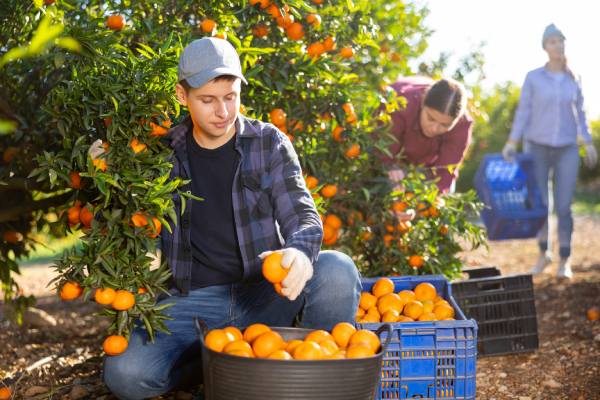
Image by Shutterstock
“Their coordinated action shows just how serious this issue is across the many industries that rely on seasonal and temporary workers,” Hancock said.
Horticulture growers, including citrus growers, remain heavily reliant on seasonal workers from overseas, whether through the Working Holiday visa or the Pacific Australia Labor Mobility (PALM) scheme. For many small and medium-sized citrus businesses, the WHM program is a crucial pathway to finding staff during critical harvest windows.
The citrus industry body said any reduction in visa supply must be matched with genuine alternatives, such as a dedicated Agriculture or Harvest Visa, which they say the industry has long called for.
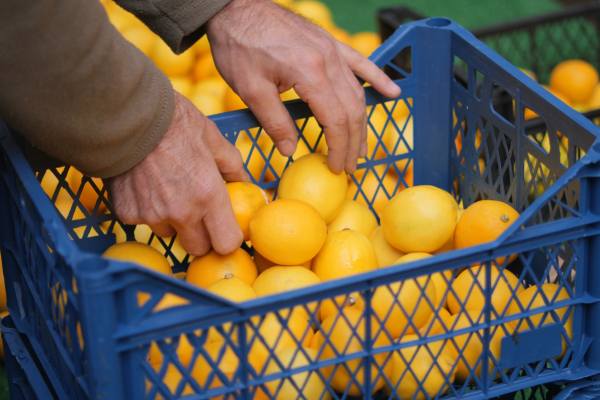
Image by Shutterstock
“What this issue needs is meaningful engagement with industry, not short-term responses,” Hancock concluded. “It simply shifts the cost onto growers and consumers, at exactly the time of year when the workforce is needed most.”
*All images are referential.
Related stories
California court strikes down H-2A wage cuts
Proposed H-2A reforms spark debate over wages and worker rights
A very brief look at the 100-year-old problem of the shortage in agricultural labor











Subscribe to our newsletter