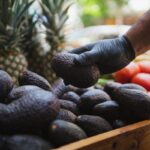



The growing Hass avocado footprint in Europe: These are the markets with the biggest potential

 Add Fresh Fruit Portal to Google
Hass avocado is undergoing one of its greatest periods of expansion in the European market.
As a speaker at the Global Avocado Summit in Santiago, Chile, Cristina Tenorio, Marketing Director at the World Avocado Organization (WAO), analyzed the market, noting that in 2025, sales reached a historic record of 1.2 million metric tons.
Meanwhile, per capita consumption reached nearly four pounds, more than double the 1.7 pounds recorded ten years ago, thanks to sustained growth.

According to the expert, France is the continent's largest avocado consumer, with an 18 percent share, followed by Germany with 17 percent. The United Kingdom ranks third with 14 percent, followed by Spain and Italy.
“Italy emerges as one of the most attractive markets [...] it recorded a 38 percent growth in volume and presents one of the highest consumer prices in Europe,” she noted.
Three European markets and three consumer profiles
Although Europe is often considered one market, it’s important to note that it includes different consumer profiles.
In this context, Tenorio highlighted the particularities of Germany, Italy, and Poland, countries that present expansion opportunities, albeit with different behaviors and motivations.
In Germany, 44 percent of households consume avocados at least once a year, and average consumption reaches 8.1 units, demonstrating ample room to increase purchase frequency. Here, the greatest potential lies among millennials aged 25 to 39, with and without young children, who are looking for practical, healthy, and easy-to-incorporate food solutions into the family routine.
In Italy, however, only 31 percent of households consume avocados at least once a year, but the market is highly dynamic, especially among those under 35.
“Generation Z and young people starting to live independently represent a strategic audience interested in healthy eating, innovation, and new gastronomic experiences,” she pointed out.
Salads account for nearly half of avocado consumption occasions in Italy, in addition to weekend brunches.
In Poland, meanwhile, 46 percent of households consume avocados at least once a year. Consumption is highest among parents over 50 with teenage children, who drive the incorporation of this fruit into family meals.

“A striking fact is that 42 percent of consumption occasions correspond to direct intake of the fruit with a spoon. In addition, new alternatives are beginning to appear, such as avocado ice cream, which expands consumption possibilities,” she indicated.
Communication and education to build a consumption habit
The WAO representative said one of the industry's main challenges is turning avocado consumption into a daily, lasting habit.
To achieve this, she identified three strategic axes: generating value through education about its nutritional properties, communicating its gastronomic versatility, and improving the purchasing and consumption experience.
“The experience in the supermarket and at the moment of opening and consuming the product is decisive in encouraging repeat purchases,” she noted.
Tenorio said the goal is for consumers to add avocados to their shopping list before arriving at the point of sale. To achieve this, she said it’s necessary to work with the media, social platforms, influencers, athletes, chefs, and spaces linked to wellness and physical activity.
Along these lines, the WAO develops campaigns in seven European markets and works with 30 retailers, reaching approximately 6,750 stores in 11 markets. The organization also generated consumer experiences at sports events, wellness festivals, and supermarkets, bringing the fruit closer to consumers through demonstrations and culinary proposals.

Price stability and long-term strategy
Given that sudden volume increases can pressure prices, Tenorio said it’s essential to mitigate fluctuations and deliver greater predictability to consumers.
“During the first half of 2026, despite the increase in avocado volume in the European market, the market value grew by five percent compared to the same period in 2025,” she added.
The executive called for stronger collaboration among different actors and production origins to ensure avocados are available year-round in European markets.
“Future growth will depend on identifying the consumers who generate the most value for the category, understanding their motivations, and developing differentiated strategies for each market,” she said.
Finally, she concluded: “We need to communicate the benefits and create a habit that lasts throughout the year.”
Related stories
Avobook CEO crowns Chile as the biggest consumer of Hass avocados in the world