


New report reveals pesticide residues and regulatory gaps in Australian produce

 Add Fresh Fruit Portal to Google
Picking produce straight off the shelf may be berry risky business in Australia, according to a new report alleging widespread chemical contamination in major retail supply chains.
The Pesticide Action Group released findings from random inspections of produce bought across Australian supermarkets, revealing that four samples of grapes, strawberries, and peppers exceeded maximum residue limits set by the Australian Pesticides and Veterinary Medicines Authority (APVMA). Most notably, one carton of strawberries tested positive for fungicides at ten times the legal threshold.
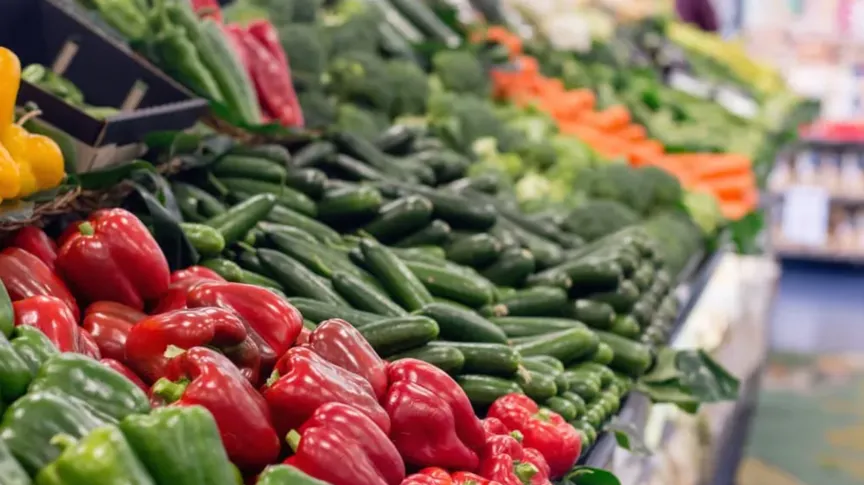
The study examined 78 samples across 13 commodity lines: apples, avocados, bananas, blueberries, broccoli, capsicums, cucumbers, grapes, lettuce, potatoes, cantaloupe, strawberries, and tomatoes. Testing agents randomly purchased the items in June from retailers Coles, Woolworths, and Aldi locations across Adelaide, Brisbane, Sydney, Perth, and Melbourne.
Laboratories identified 201 residues representing 54 distinct chemical compounds across the sample pool. According to the report, 44 percent of samples tested positive for at least one per- and polyfluoroalkyl substance (PFAS), 56 percent contained at least one pesticide not approved for use in the European Union, and 14 percent tested positive for neonicotinoid pesticides.
Testing also identified five organophosphate pesticides and eight instances suggesting potential unauthorized chemical applications, which the organization is pursuing with regulatory authorities.
The APVMA oversees agricultural chemical approvals in Australia. In July, the agency proposed raising residue limits for isoxaben on berries. It recently approved the herbicide paraquat, a compound banned in more than 70 countries and linked by researchers to Parkinson's disease.
Pesticide use faces regulatory and trade vulnerabilities
Industry observers warn that the regulatory gap could disrupt export supply chains and international trade relations.
Nick Mole, policy director for the UK Pesticide Action Network, stated that "Australia permits the use of more dangerous pesticides than the UK and the EU, which not only affects consumer health and the environment, but could also impact Australia's future trade relations."
Eleanor Davis, project manager at the Pesticide Action Group Australia, urged government authorities and retail grocers to increase random testing, publish full results, and provide greater transition assistance to primary producers seeking to reduce chemical inputs. Davis noted that "many farmers also wish to reduce use, but the current food system does not provide them with sufficient support, and the costs and risks of transition often fall on them."
Academic experts also highlighted the risks of combined chemical exposure for vulnerable groups.

Mark Green, associate professor at the University of Melbourne's School of BioSciences, pointed out that "regulatory testing usually focuses on the toxicity of a single pesticide, but people are likely exposed to mixtures of multiple pesticides daily, and there is currently insufficient data on the long-term effects of this 'chemical cocktail.'"
Green specifically highlighted risks to youth, noting that "children likely consume more fruits and vegetables relative to their body weight.” The expert also noted that kids are in a stage of growth and development, and more research is needed on the effects of prolonged exposure to low doses of multiple pesticides.
He added that consumers deserve clearer visibility on chemical concentrations, arguing that "current pesticide residue testing does not adequately consider the potential impact of these on the hormonal system."
After the report's publication, Australian consumers expressed significant concern about raw fruit consumption, advising parents to wash all produce thoroughly before serving. Public commentary also called for continued media scrutiny surrounding the APVMA's chemical approval standards.
This story was originally published by ChinaFruitPortal.com
*Top photo is referential via Shutterstock.
Related stories