Colombian Hass avocado industry pushes for productivity amid six percent acreage uptick
 Add Fresh Fruit Portal to Google
The Colombian Hass avocado sector has continued to gain momentum in international markets. Further growth appears underway, as acreage rose by six percent in 2026, according to data from the Colombian Hass Avocado Producers and Exporters Association (Corpohass).
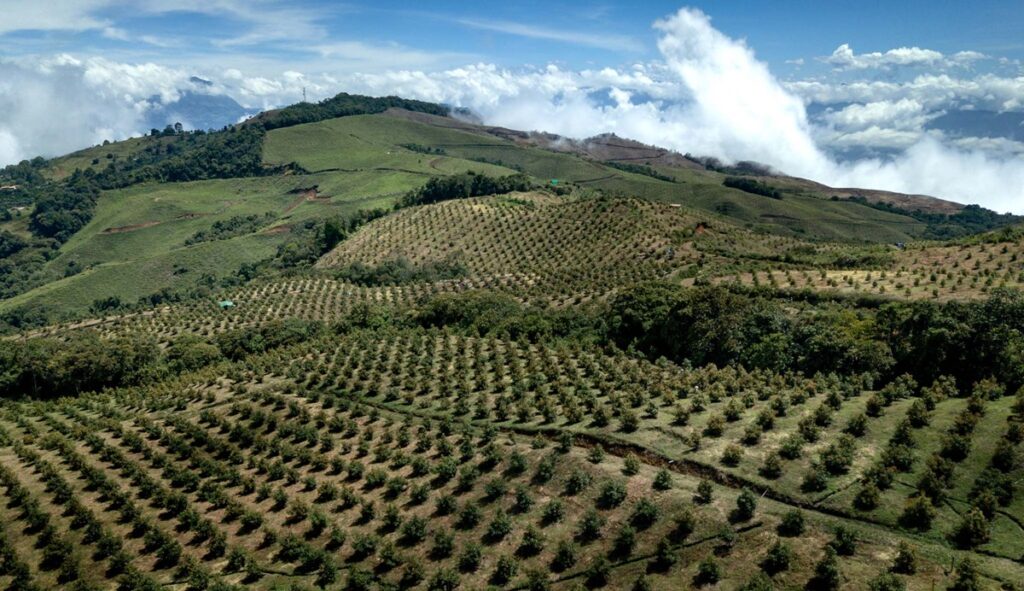
The industry body said growers will prioritize agronomic management, orchard renovation, and standardized production practices to increase Colombian Hass avocado yields and maintain consistent quality across growing regions heading into 2027.
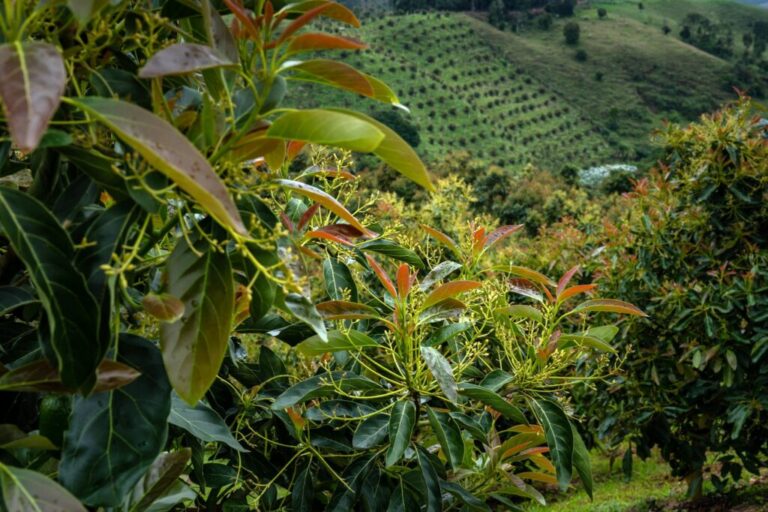
Image courtesy of Corpohass
“Colombia’s Hass avocado industry has reached significant scale, and we must now ensure that this growth translates into higher yields,” said Executive President Katheryn Mejía.
Antioquia accounted for the largest share of registered acreage, with 35,232 acres, followed by Caldas with 23,463 acres and Valle del Cauca with 14,216 acres. Quindío had 7,959 acres, Risaralda had 5,367 acres, and Tolima had 5,214 acres.
Colombian Hass avocados leave their mark
Colombia exported 194.4 million pounds of Hass avocados during the first half of 2026, generating nearly $168.9 million in export value, according to figures from the National Directorate of Taxes and Customs (DIAN).
About 76 percent of Colombia’s production currently goes to the European Union and the United States, according to Corpohass. Uruguay and Cuba became new export destinations in 2026, while the industry continues working on market-access protocols for Brazil and Mexico.
The association expects this focus to become more important in 2027, when plantings established between 2020 and 2022 reach peak production stages and older groves require renewal.
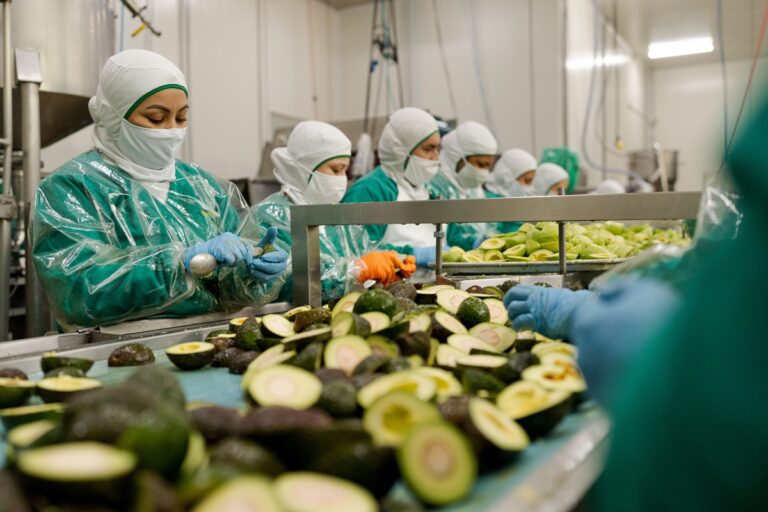
Image courtesy of Corpohass
“Every growing region faces unique conditions, from microclimates and soil characteristics to planting material, that directly impact crop yields,” noted Mejía. “While certain variables are beyond our control, we can drive progress by standardizing agronomic management practices, quality protocols, and on-farm operations.”
The industry’s agenda through 2027 will also include replacing older trees where necessary and raising quality standards, according to Corpohass.
More than just a tasty avocado
The expansion of the Colombian Hass avocado industry has generated more than 82,000 jobs in farming, harvesting, postharvest operations, packing facilities, and logistics, Corpohass noted.
The association said the industry also directly and indirectly supports the livelihoods of between 235,000 and 240,000 people across Colombia.
The productivity and competitiveness challenges facing the industry will be among the topics discussed at Territorio Aguacate 2026, scheduled for November 4 and 5 in Medellín, Colombia. The event is expected to bring together growers, buyers, marketers, technical experts, and other supply-chain stakeholders.
*Images courtesy of Corpohass | Archive.
The second edition of the Global Avocado Summit will be held on November 11, 2026, at the Monticello Casino Events Center in Santiago, Chile. Organized by the Chilean Avocado Committee and Yentzen Group, the meeting seeks to bring together the main players in a growing industry.
The event has established itself as a key space for addressing commercial and sustainability issues in the industry, bringing together producers, exporters, buyers, certifiers, and innovators to analyze the sector’s challenges and opportunities.
For more info, contact
events@yentzengroup.com
Related stories
Colombian Hass avocado closes 2025 with positive numbers and strong demand from Europe