AOMA calls to strengthen avocado oil authenticity standards following UC Davis study
 Add Fresh Fruit Portal to Google
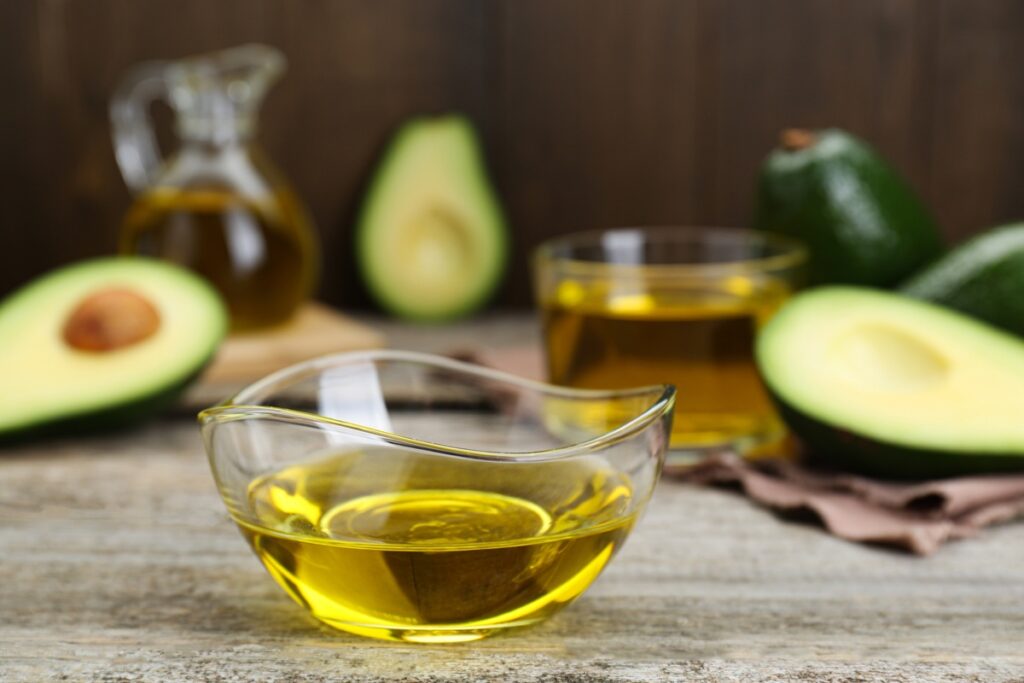
A recent study published in Applied Food Research revealed that 48 out of 54 processed food products labeled as made with 100 percent avocado oil contained other cheaper oils. The authors, led by Selina Wangm, a UC Davis researcher in the Division of Agriculture and Natural Resources, said they found these issues in several products, including chips, mayonnaise, and dressings.
The results prompted a response from the Avocado Oil Manufacturers Association (AOMA), which called the substitution, dilution, or misrepresentation of avocado oil “unacceptable.”
“Consumers must get what labels promise; food manufacturers must be able to trust the ingredients they buy; and responsible avocado oil producers must be protected against unfair competition,” the organization stated.
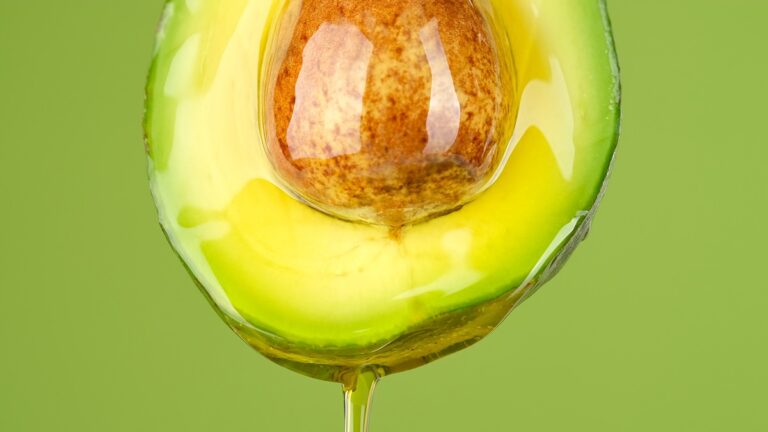
Image by Shutterstock
AOMA noted that it recognizes the value of UC Davis’s independent research, but emphasized that scientific evidence regarding avocado oil authenticity is still developing.
AOMA questions the application of current reference ranges
The association said it’s especially concerned with the international standards for determining avocado oil authenticity.
In 2024, avocado oil was incorporated into the Codex Alimentarius Standard for Named Vegetable Oils (CXS 210-1999), establishing an international reference for the oil’s identity and composition for the first time.
However, AOMA said that the document constitutes a voluntary reference standard, not binding legislation. Furthermore, the industry body explained that it established the current parameters based on a limited dataset, which may not fully represent the diversity of avocado varieties, geographic origins, and production methods worldwide.
According to the association, factors such as variety, origin, climate, stage of maturity, harvest period, and processing can naturally modify the chemical composition of an authentic oil.
AOMA warned that a result outside the established compositional ranges should not, by itself, be considered evidence of adulteration.
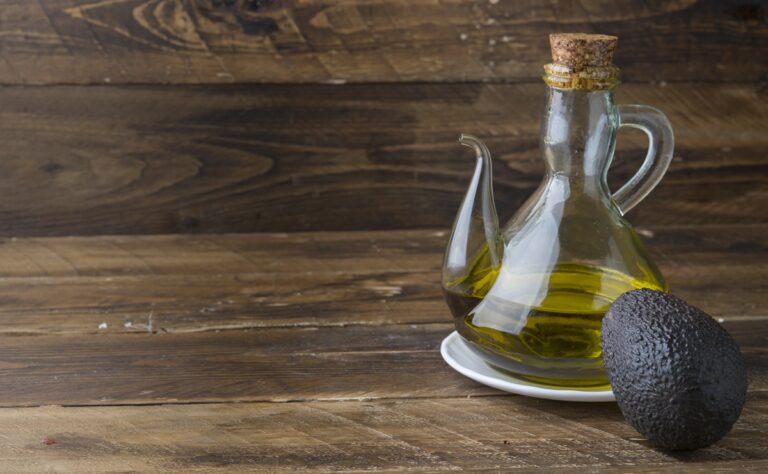
Image by Shutterstock
“Rigorous application requires methods and reference ranges capable of distinguishing between deliberate substitution and legitimate natural variation,” it stated.
Create an international database
AOMA called on the entire supply chain, including producers, food manufacturers, laboratories, universities, regulatory authorities, and retailers, to create a coordinated international research program. The initiative would develop an identity standard for avocado oil backed by a broad and representative database that considers major cultivars, producing regions, and different production methods.
In this context, the association reported that it is already working on collecting samples of fresh avocados and avocado oils verified as authentic from various producing regions around the world.
Independent scientific and technological centers will analyze the samples to expand available information on the oil's natural composition.
AOMA is also developing an Authenticity Verification Program, which includes documented traceability, representative sampling, and laboratory analysis for avocado oil manufacturers.
AOMA looks to the olive oil sector as a reference
The organization noted that developing reliable authenticity systems for olive oil shows that building solid standards requires decades of research, international cooperation, and scientific review. The avocado oil sector needs to follow a similar path, AOMA says, though with greater urgency because of the category's growth.
The organization described the UC Davis study as a relevant contribution to knowledge on authenticity, but noted that it does not provide a definitive conclusion about the global avocado oil industry as a whole.
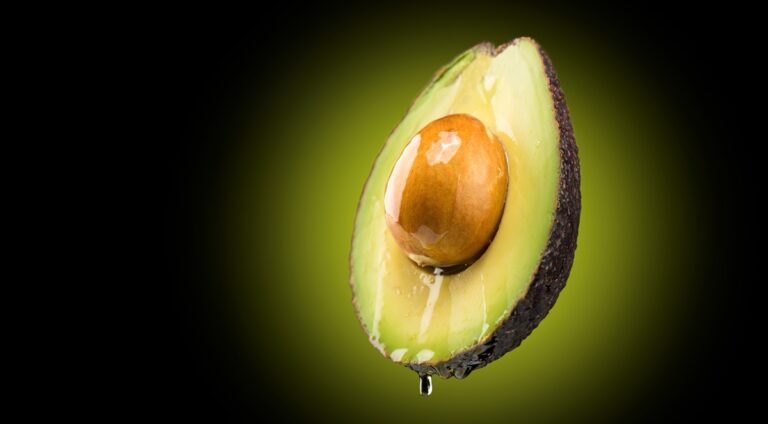
Image by Shutterstock
The industry body also called for communicating the results of these studies with accuracy, avoiding both minimizing cases of mislabeling and extrapolating specific findings to the entire industry.
AOMA also highlighted oil processing as an alternative way to use fruit that does not meet fresh market specifications. This productive step can help reduce food losses and generate an additional market for producers, including small farmers who depend on the avocado value chain.
The association said it will continue promoting responsible processing practices and greater producer participation in the value generated by the crop.
*All images are referential.
The second edition of the Global Avocado Summit will be held on November 11, 2026, at the Monticello Casino Events Center in Santiago, Chile. Organized by Paltas de Chile and Yentzen Group, the meeting seeks to bring together the main players in a growing industry
The event has established itself as a key space for addressing commercial and sustainability issues in the industry, bringing together producers, exporters, buyers, certifiers, and innovators to analyze the sector’s challenges and opportunities.
For more info, contact events@yentzengroup.com
Related stories
Kenya’s avocado boom: Industry to hit record production amid shipping and regulatory headwinds