


IFPA CEO: “Fresh produce only moves at the speed of trust”
 Add Fresh Fruit Portal to Google
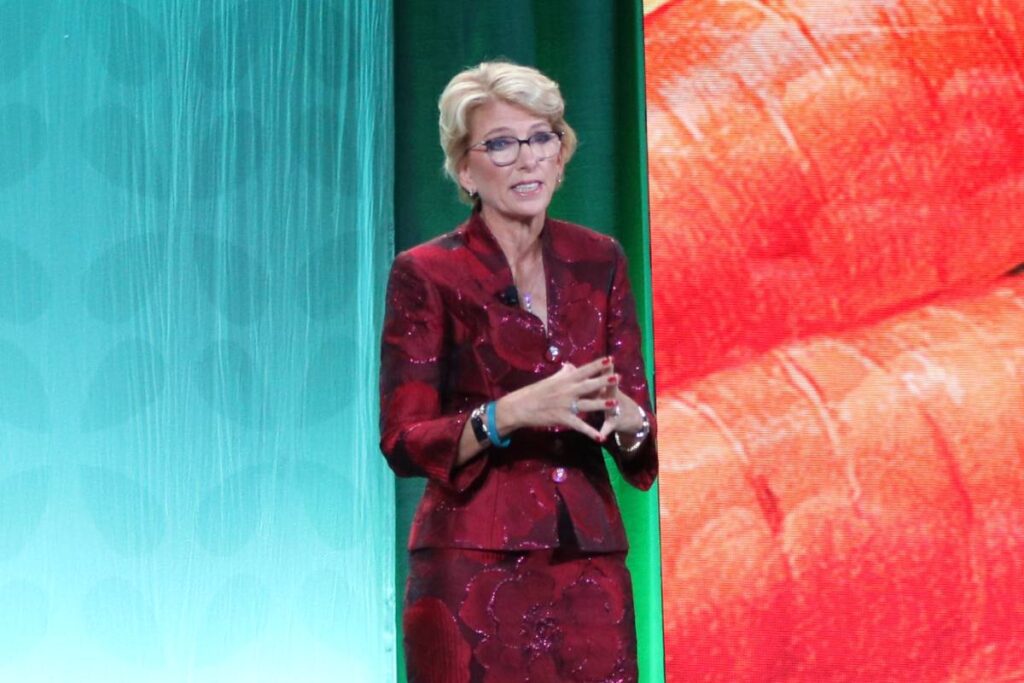
The fresh produce industry has an opportunity to increase consumption through growing interest in health and nutrition, said International Fresh Produce Association (IFPA) CEO Cathy Burns. However, she added that the sector must also address pressures on affordability, consumer trust, and business costs.
Speaking on the opening day of the 2026 Global Produce & Floral Show in Orlando, Florida, Burns used her annual State of the Industry address to call for closer cooperation across the supply chain.
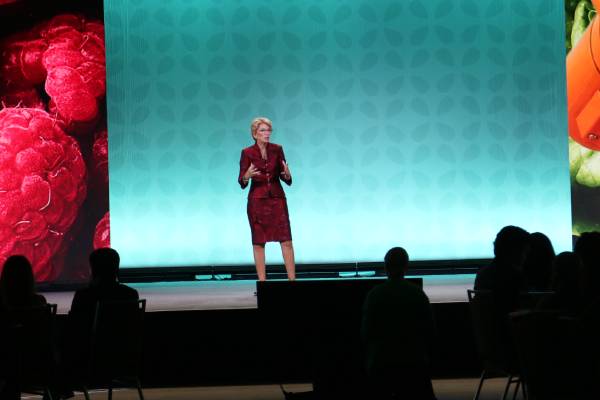
“Our role is to ensure that fresh produce isn’t just part of the conversation of health, but ultimately leading it,” she said.
The challenges facing the fresh produce industry
IFPA and The Foundation for Fresh Produce are seeking a stronger place for fruits and vegetables in dietary guidance, school meals, nutrition assistance programs, and produce prescriptions. Burns also highlighted opportunities linked to consumer interest in fiber, wellness, and personalized nutrition.
However, price remains a significant barrier. IFPA’s Consumer Tracker found nearly a quarter of US consumers buy fewer fresh fruits and vegetables, or skip them altogether, when prices exceed what they are willing to pay.
Consumer confidence is another concern. Burns said 6.5 million households stopped eating salads following the cyclosporiasis outbreak this summer, with social media amplifying the damage.
“Fresh produce only moves at the speed of trust,” she said. “And when confidence is shaken, the disruption does not stop at one commodity, one country or one company.”
Burns said IFPA is strengthening cooperation with public health agencies, supporting prevention efforts and pushing for implementation of traceability requirements. The organization estimates a warehouse management solution developed with industry partners could save eight million labor hours and $250 million in annual compliance costs.
The association is also helping members navigate tariffs, seeking exemptions for agricultural inputs and advocating for access to a reliable workforce.
Sustainability: Navigating the next frontier in produce
On packaging, the executive urged businesses to prepare for extended producer responsibility, or EPR, regulations.
“It is a global issue and could fundamentally reshape your businesses,” she said.
IFPA is advocating for exemptions and rules that recognize packaging’s role in food safety, extending shelf life and reducing waste. Technology initiatives include pathogen monitoring and a digital model to assess the financial effects of packaging changes.
Burns also linked higher consumption to sustainability. “Our message to policymakers is crystal clear, as it relates to sustainability: Increasing produce consumption is climate action,” she said.
IFPA reported progress on access to federal regenerative agriculture funding and benchmarks developed through the Consumer Goods Forum.
IFPA calls for hope amid disruption

Burns closed by urging businesses to draw on their experience of overcoming disruption and pursue shared goals.
“If the past five years have taught us anything, it is this: our roots are deep, our resilience is real, and our greatest strength is our ability to come together for a common cause,” she said. “Honestly, the world needs us.”
The executive also pledged continued advocacy for the industry: “Together, I promise you, we are going to relentlessly fight for fresh.”
Written and reported by Ed Vernon, in Orlando, Florida.
*Main image by Ed Vernon; other images by IFPA.
Related stories