


Avocado industry to resume operations in Michoacán after 10-day strike
 Add Fresh Fruit Portal to Google
Optimism for a resolution that will resume avocado harvest operations in Michoacán is alive and well. After 10 days since the initial halt in picking and packing activities in the state, local growers announced the restart of all picking operations in Michoacán to normalize fruit shipments into the United States.
On November 3rd, 20 local chapters of the phytosanitary agency Sanidad Vegetal met with the Coordinadora Purépecha, representing small local avocado growers, to find an alternative solution that would resume harvest operations in the state. Through a press release (see below), the chapters announced that starting November 5th, specific operations would resume picking activities.
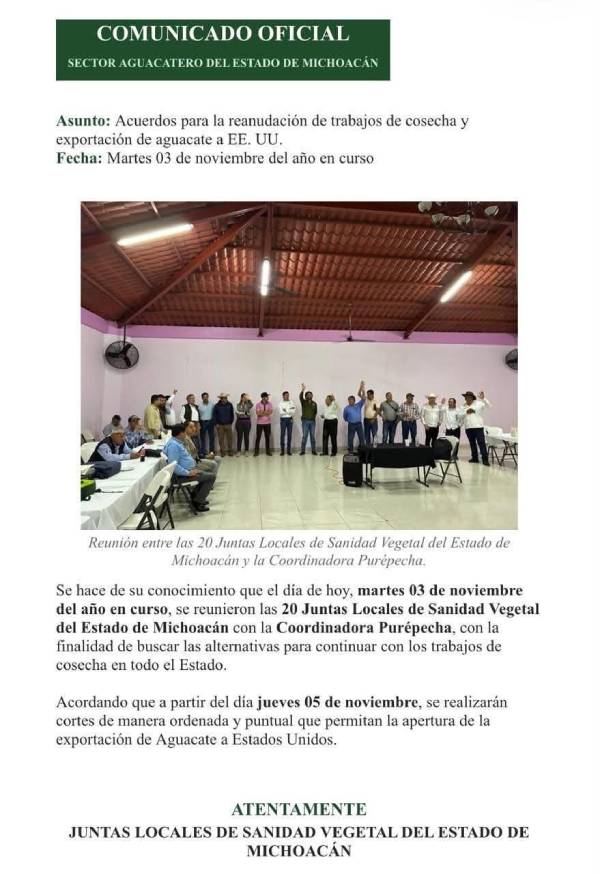
The information was confirmed by the state’s Avocado Producers and Packer Exporters Association (APEAM) in a November 4th update. The entity didn't disclose whether a deal had been struck with local growers, but mentioned that, as a result, "it was established that the filters of phytosanitary inspections will continue to operate under established conditions and procedures."
Supply disruptions in the US
Avocado reserves in the US are dwindling, as reported by food service platform Fresh Alliance.
“Jalisco remains the primary source of available Mexican supply, but volumes are insufficient to offset the continued disruption in Michoacán,” they wrote in an update sent to users on November 3rd. “Available supplies are becoming increasingly limited, with some suppliers reporting particularly tight availability of 40- and 60-count fruit. Alternative sourcing options are also limited as packing operations prioritize existing customer commitments.”

According to the platform, limited availability has dramatically increased prices, though it doesn’t provide a range.
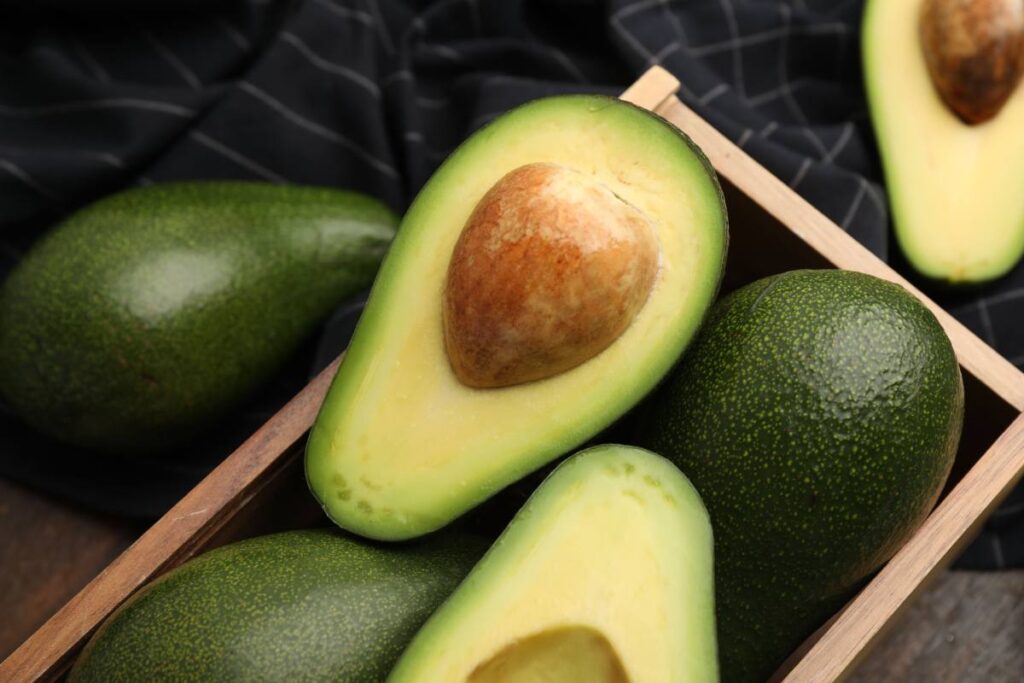
Early reports suggested there were between 56 and 58 million pounds of avocado in storage across the border, which were set to last around seven days considering US weekly demand of around 50 million pounds. These reserves should be depleted by now, and according to Fresh Alliance, inventories should take “between seven and 14 days to replenish depending on harvest volumes, packing schedules, transit times from the border to distribution and ripening facilities, and the time required to ripen the fruit.”
Image by Shutterstock
This means supply disruptions should continue in the US.
Pest pressure: No infected fruit made it to retail
Adding to the uncertainty, around 52 tons of avocados were burned in Michoacán over the weekend. According to reports from the newspaper El País, the lot, which was allegedly destined for export to the US, was found to be contaminated with larvae from the avocado seed weevil.
The pest bores into the trunks of avocado trees and the seed inside the fruit, damaging produce. According to Reuters, the insect can spread very aggressively within an orchard and devastate crops if not addressed.
On November 2nd, APEAM posted a press release to its LinkedIn profile clarifying that the lot didn’t comprise fruit from the state of Michoacán, but rather from other producer states that are not certified to export avocados to the United States.
“These findings should be clearly distinguished from fruit produced and exported under phytosanitary protocols and certification requirements established for authorized producing states,” the organization wrote.
Additionally, in a video posted to the APEAM’s profile on X, Director Luis de la Rocha explained that no affected fruit reached the border, as the Mexican health authority SENASICA flagged the lot before it could be packed for shipment.
🚨 Mensaje del Director General a los asociados de APEAM. 🚨
@SENASICA @Claudiashein @Agricultura_mex
.
.
.
#APEAMSomosTodos #PaisajeAguacatero #Avonews https://t.co/ZPROXcJr9e— APEAM, A.C. (@apeamac) November 3, 2026
*All photos are referential via Shutterstock.
Related stories