


Chiquita sees banana breakthrough with breedable Cavendish
 Add Fresh Fruit Portal to Google
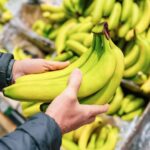
Banana giant Chiquita has announced a major breakthrough in its efforts to save the fruit from being wiped out by a series of devastating diseases.
Yelloway, the company’s breeding joint venture with Dutch technology company KeyGene, has developed Yellowdish, a fertile version of Cavendish that will allow the normally sterile banana to be crossed with disease-resistant varieties.
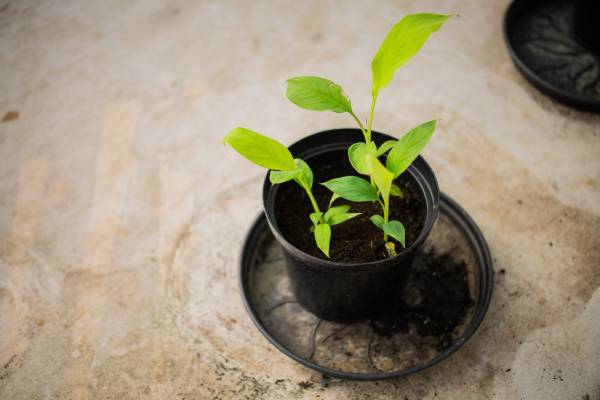
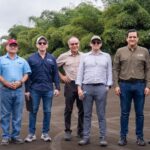
Image by Chiquita
Crucially, the new banana will have to resemble fruit already found on supermarket shelves around the world in terms of taste, color, and shelf life, says Peter Stedman, Chiquita’s sustainability director and a Yelloway board member.
“It's the standard that people are expecting. If we released another banana that was resistant but didn’t taste or look anything like Cavendish, I don’t think it would have the same consumer acceptance,” the executive told FreshFruitPortal.com
The discovery comes at a crucial moment for the $11.5 billion
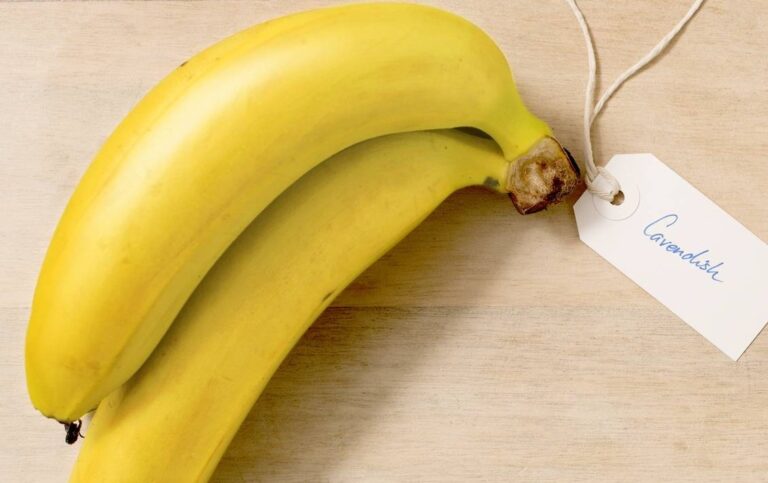
global banana export industry. Diseases such as Tropical Race 4 (TR4) and Black Sigatoka are threatening to wipe out the Cavendish variety, which accounts for more than 99 percent of global banana exports.
First detected in Taiwan in the late 1960s, TR4 spread across Asia, reaching Africa in 2013 and South America in 2019, and could risk a global wipeout within our lifetime.
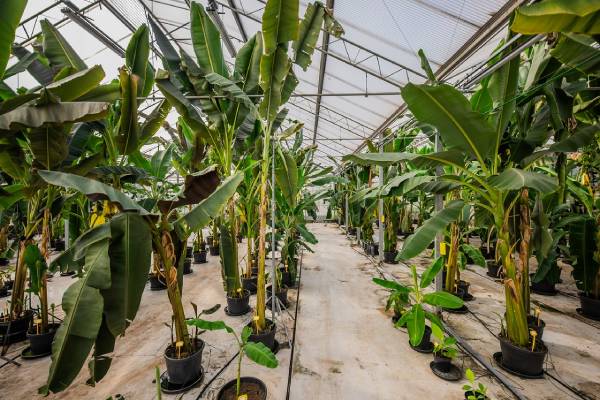
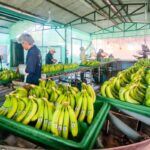
Image by Chiquita
“It could take another 100 years for this to happen. It could happen in the next decade [but]… the threat to the banana industry of TR4 is existential,” Stedman said.
Established in 2020, Yelloway aims to develop commercially viable, disease-resistant bananas through conventional breeding supported by advanced technology.
Keeping Cavendish bananas alive
In 2024, it announced Yelloway One, a prototype resistant to TR4 and partially resistant to Black Sigatoka, and earlier this year, a complete genetic map of the banana fruit to facilitate genetic modification.
With the successful crossing of Yelloway varieties with
Yellowdish, Chiquita now sees a route to bringing a TR4-resistant version of Cavendish to market.
But developing commercially viable and seedless hybrids will take a few more years.
“Now we need to make it sterile again into a triploid, and that will take a breeding cycle or two to get there,” Stedman explained.
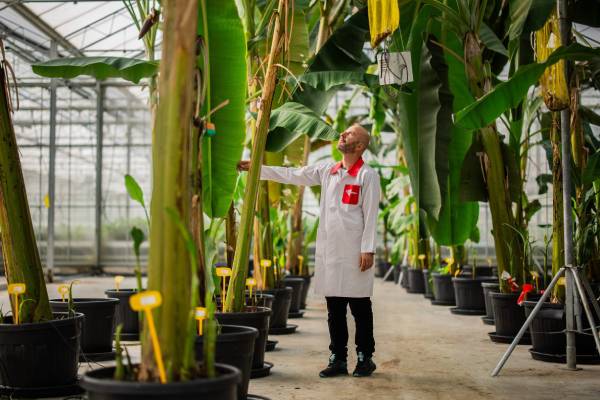
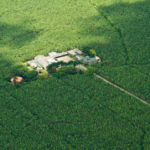
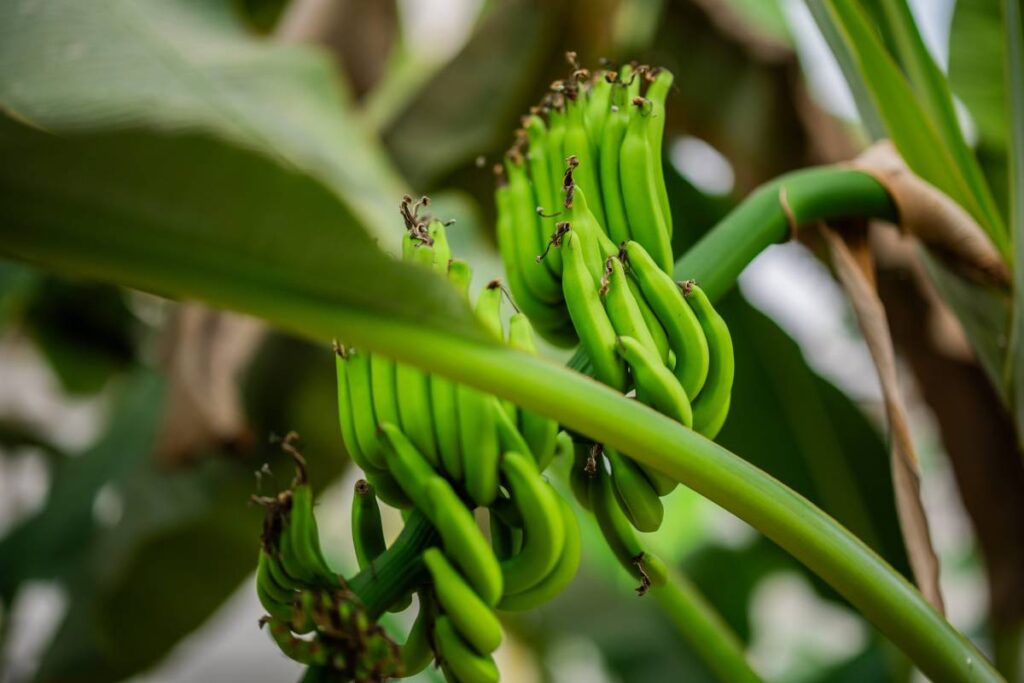
Image by Chiquita
Field trials in Asia over the next two to three years will test disease resistance, yields, and commercial qualities. Yelloway targets an early release to selected partners by 2030. After multiplication and licensing, Stedman expects supermarket availability in the early 2030s.
Success would not only save the world’s most popular fruits but also protect the livelihoods of banana farmers in some of the world’s most vulnerable countries.
“Every single time a plantation closes from TR4, that’s hundreds and hundreds of people who are out of work,” Stedman noted.
Bananas face an existential threat—again
This is not the first time that the global banana industry has brushed with disaster.
In the twentieth century, Fusarium wilt fungi devastated plantations of the once dominant Gros Michel variety, prompting producers to switch to Cavendish because of its resistance to that strain.
But that fix has left the industry equally dependent on another genetically uniform crop.
“We were given a second chance with Cavendish, and we didn’t listen to nature,” Stedman admitted.
So beyond Yellowdish, Chiquita and Yelloway are looking to breed new banana varieties better suited to drought, heat, strong winds, and other environmental pressures, as well as disease resistance.
“To have one size fits all seems crazy,” Stedman said. “But that’s what we’ve got at the moment.”
Written by Tom Azzopardi | Reported by Ed Vernon
*All images courtesy of Chiquita.
Related stories
CORBANA recommends a nearly 10 percent year-on-year increase in the minimum banana box price