


First chartered Chilean cherry shipment lands in China to soft prices

 Add Fresh Fruit Portal to Google
In the early hours of November 9th, the season’s first chartered plane of Chilean cherries arrived at Ezhou Huahu International Airport in China. The vessel, the year’s first of the Ezhou-Addis Ababa, Ethiopia-São Paulo, Brazil - Santiago, Chile service, carried 80.4 metric tons of fruit from the South American country.
According to local media outlet Yangtze Daily, the route is operated by Boeing 777 wide-body freighters, with two flights per week, connecting Asia, Africa, and South America in a "hub-to-hub " model. The service relies on multi-temperature zone cold storage facilities and transport, bringing fruit straight from Chilean orchards to Chinese consumers in as little as 60 hours.
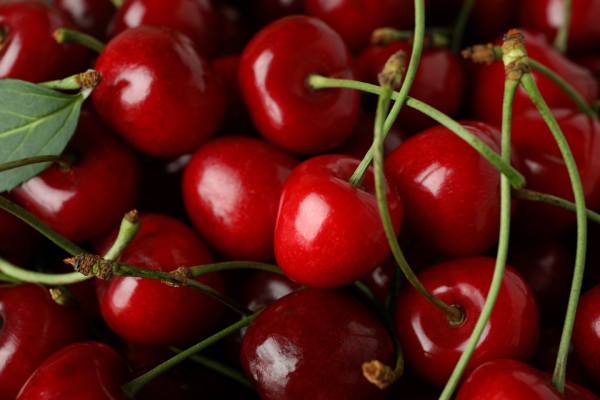
Image by Shutterstock
After the chartered flight arrives in Hong Kong, the fruit undergoes customs inspection and cold chain distribution. From there, it can quickly travel to Hubei Province and be distributed to major domestic markets such as Beijing, Shanghai, and Guangzhou. The fastest delivery time from the airport to the terminal market is approximately two hours.
The cherry season starts with soft prices
As the first planes arrive in China, early-season air-freighted fruit is starting to pop up in domestic supermarkets.
Market information shows that overall prices are slightly lower year on year. In some Shenzhen channels, JJ grade cherries are priced at approximately ¥70 per jin, while JJJ grade fruit goes for approximately ¥120 per jin, and JJJJ for ¥160 per jin. Due to the supply schedule and air freight costs, early-season fruit is still mainly driven by demand for fresh produce.
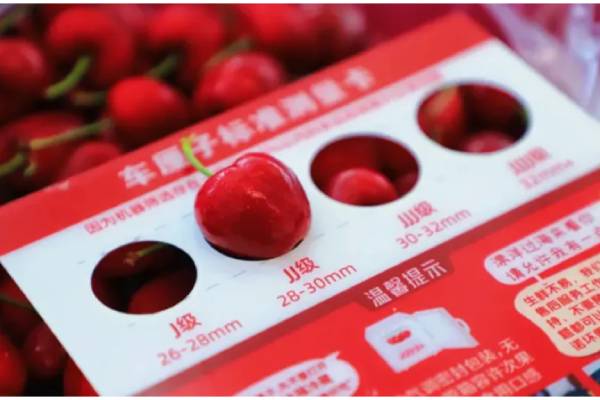
Image via ChinaFruitPortal.com
As the harvest season progresses, Chilean cherry arrivals will gradually shift from primarily air freight to a mix of air and sea freight. Starting in December, the first batches of sea shipments will arrive at ports on board the Cherry Express service, leaving from Valparaiso with single-ship loading capacities that far exceed those of chartered flights, significantly increasing market supply.
Based on past trends, early-season air freight prices are relatively high, primarily catering to those seeking fresh produce. Meanwhile, sea freight prices typically decline after large quantities arrive, further widening the price gap between sizes.
Industry insiders predict that Chilean cherry production and exports will both increase this season. If the arrival schedule is normal and quality remains stable, retail prices are expected to fall further than in the previous season.
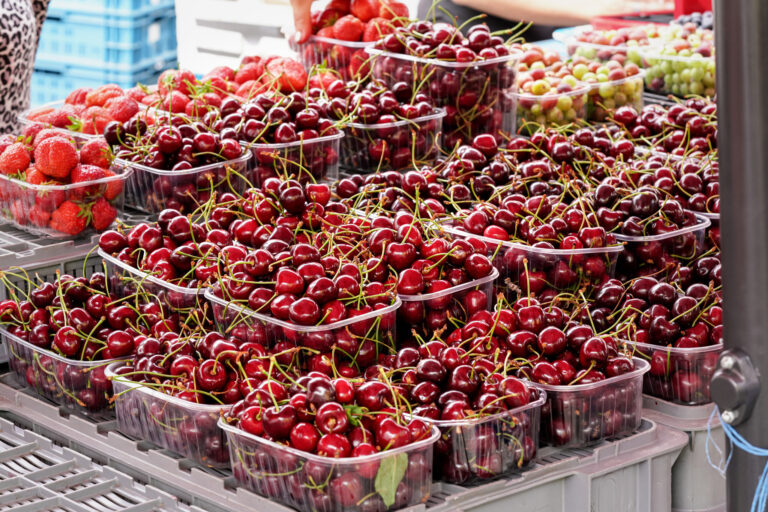
Image via Shutterstock
However, the price stratification between early-season and late-season sea-freighted fruit, as well as between large and small sizes, will become more pronounced. Ultimately, the market will depend on arrival concentration and sales speed.
*Main image courtesy of ChinaFruitPortal.com | All other images are referential via Shutterstock
This story was originally published on ChinaFruitPortal.com
Related stories
Chilean cherries face cautious start in China
Landing of first shipment marks the official start of the Chilean cherry season in China