


Mexico tightens avocado phytosanitary controls to safeguard export status
 Add Fresh Fruit Portal to Google
Mexican agricultural authorities have urged the country’s eight primary avocado-producing states to tighten shipment inspections and standardize transit controls to secure domestic supply and lucrative international trade, particularly exports to the United States.
According to a press release published by the Government of Mexico, during the Third Regional Meeting of Avocado-Producing States in Jalisco, officials from the National Service of Agri-Food Health, Safety and Quality (Senasica) met with representatives from Michoacán, Jalisco, Colima, Guerrero, Nayarit, Puebla, Morelos, and the State of Mexico. The summit focused on unifying phytosanitary protocols across an industry that yields nearly three million metric tons annually.
Gerardo Guerrero González, Senasica’s Director General of Phytozoosanitary Inspection, emphasized that containing and eradicating avocado borer worm remains a top priority to preserve the phytosanitary status of growing regions.
"In controlling mobilization, a fundamental pillar for agri-food health that concerns us all, we must act efficiently, safely, and in coordination," Guerrero said, noting that protecting these health standards directly secures the livelihoods of small- and medium-scale growers while ensuring export continuity.
Mexico’s robust phytosanitary infrastructure
To enforce phytosanitary compliance from orchard to border, Senasica currently operates 19 inspection sites, backed by more than 260 state-run internal checkpoints authorized by the agency.
Working groups at the Jalisco summit reviewed documentation protocols, assessed the authorization of new checkpoints, and outlined stricter oversight at packinghouses, oil processing plants, and collection centers.
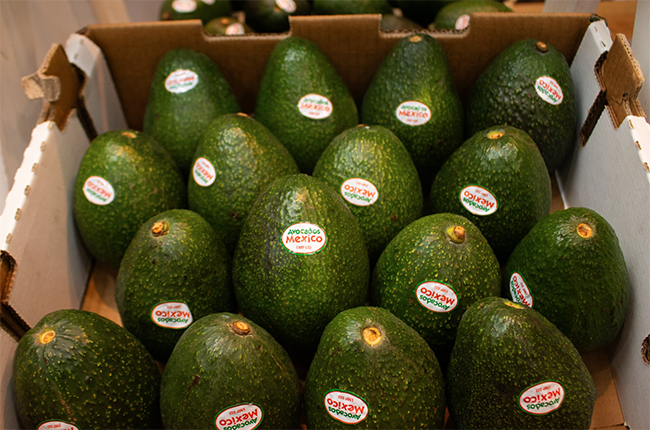
Mexico’s Secretariat of Agriculture and Rural Development continues to operate its National Campaign against Avocado Pests across all eight states. To date, authorities have certified over 600,000 acres (roughly 93 percent of Mexico’s total avocado acreage) as free of seed and branch borers, directly benefiting over 94,000 growers and reinforcing the strict biosecurity standards demanded by international buyers.
*All images are referential.
Related stories
California Avocado Commission sounds the alarm on potential phytosanitary risks in Mexican imports