


California avocado growers insist on imposing seasonal restrictions on Mexican imports
 Add Fresh Fruit Portal to Google
The California Avocado Commission (CAC) reiterated its call to establish a seasonal tariff rate quota for Mexican avocado imports.
In a statement, the industry body argued that the increase in shipments, concerns about security in the state of Michoacán—which on August 4 led to the temporary suspension of USDA/APHIS inspections in the area—and the detection of an alleged regulated pest (Macrocopturus aguacatae) at a packing plant in the Mexican state, reinforce the need to review the conditions of the United States-Mexico-Canada Agreement (USMCA).
The CAC indicated that the US Department of the Treasury has described extortion as a particularly serious problem in agricultural operations in Michoacán. Cartels, they say, repeatedly threaten producers, packers, and other stakeholders in the supply chain, disrupting US inspections and reducing orchard oversight.
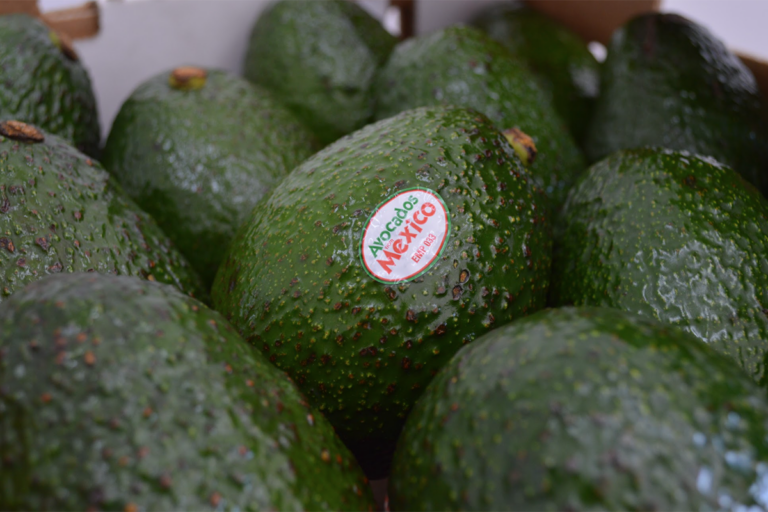
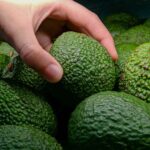
Image courtesy of Avocados from Mexico.
CAC President Ken Melban supported the government's decision, stating that “the Trump Administration is right to protect US personnel and confront the cartels."
The case for a tariff rate quota on Mexican avocados
The CAC is proposing that a specific volume of Mexican avocados enter the US between March and September under the current tariff rate, while shipments exceeding that quota be subject to a higher tariff.
According to the commission, this measure should be complemented by the reinstatement of on-site USDA inspections in Mexico to safeguard US production.
But the proposal is not just the CAC’s solution to biosecurity risks for the California industry, nor solely an attempt to protect USDA agents working across the border. The organization has spent years fighting to reduce Mexican imports to counter what it has classified as an avocado oversupply in the US market.
At the beginning of July, just as the deadline for the renewal of the USMCA approached, the CAC published a promotional video presenting its proposal, in which voices from the industry and influencers called to solve a “culinary disaster.”
“California avocado growers are not asking to stop trade: we're asking for the opportunity to compete fairly in our own market,” Melban said on that occasion.
“This is the moment for a seasonal tariff-rate quota on Mexican avocados and the full reinstatement of rigorous USDA inspections before any Mexican avocados are permitted to enter the US market. Business as usual with Mexico must end,” the executive concluded in the latest CAC statement.
Reaction from Mexico
On August 4, after receiving the security alert that disrupted USDA operations verifying compliance and authorizing exports, the Association of Producers and Packers Exporters of Avocado of Mexico (APEAM, for its initials in Spanish) began a series of meetings with local and US officials to address the situation and reduce its impact on the industry.
In her daily address to the nation, Mexican President Claudia Sheinbaum said the government is working to strengthen security in areas where National Guard presence was insufficient.
Sheinbaum also said that her administration requested a meeting with the USDA so that US inspectors could return to work or be replaced by Mexican personnel.

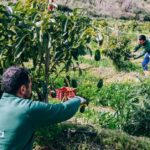
Image via Shutterstock.
"The Mexican avocado export industry has demonstrated for decades to be a reliable ally of the United States, building a relationship based on cooperation, transparency, and strict compliance with the phytosanitary, safety, and security protocols established by both governments," the APEAM indicated.
The association called on US officials to coordinate with Mexican authorities and quickly finalize the reopening of the export program.
Michoacán provides between 75 percent and 80 percent of the Mexican avocados coming into the United States.
In the first four months of 2026, Mexican avocado exports to the North American country grew by 35 percent.
At the time of writing, US authorities had not yet announced a timeline to resume USDA APHIS operations in Michoacán.
*Main image courtesy of Avocados from Mexico.
The second edition of the Global Avocado Summit will be held on November 11, 2026, at the Monticello Casino Events Center in Santiago, Chile. Organized by Paltas de Chile and Yentzen Group, the meeting seeks to bring together the main players in a growing industry
The event has established itself as a key space for addressing commercial and sustainability issues in the industry, bringing together producers, exporters, buyers, certifiers, and innovators to analyze the sector’s challenges and opportunities.
For more info, contact events@yentzengroup.com
Related stories
California avocado growers call for import limitations amid Mexico trade talks
USDA temporarily suspends operations in Michoacán and halts avocado exports