


Truckers’ strike ends as Chile’s fruit sector breathes a sigh of relief
 Add Fresh Fruit Portal to Google
The Chilean fruit industry has faced challenging days, as the country's trucker unions announced a national strike on November 10, protesting rising diesel prices and operational costs, and stagnant freight rates.
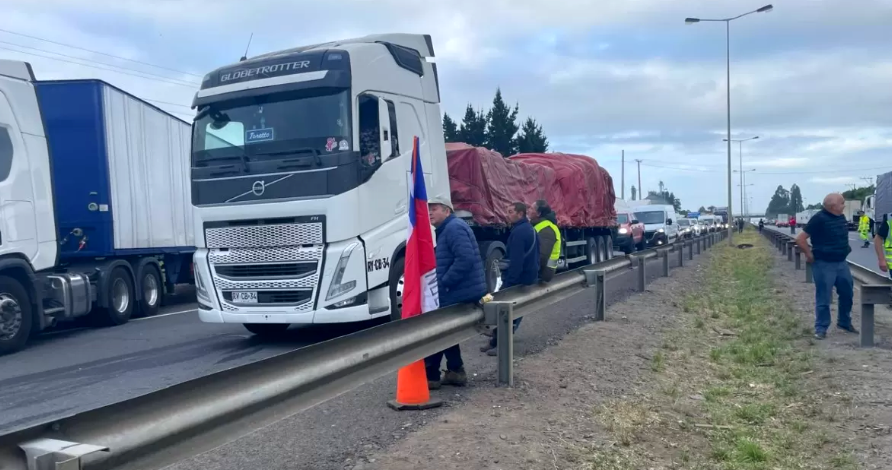
Supported by other transportation workers’ organizations, the truckers used their vehicles to partially or completely block key highways and restrict access to some of the country’s main maritime ports.

Image via CNTC
After two days of intense negotiations between the Chilean government and the unions, an agreement was announced Thursday night, effectively ending the strike in most parts of the country. The deal included a reduction in diesel prices of about CLP$ 150 ($0.15) per liter, taking effect next week, as well as the government’s support in passing a bill establishing tariff adjustments on invoices and payment for waiting times at loading and unloading points.
Although not all organizations initially adhered to the deal, by 5:00 PM local time the government announced the guild's full adherence to the agreement and the official end of the protest.

Screenshot from MEGA
Antonio Walker, President of the National Agricultural Society, celebrated the announcement, saying it will restore normalcy to the routes, safeguard the food supply, and ensure the movement and shipment of fruits.
The trucker strike's impact on Chilean fruit
Walker’s sector has been very vocal throughout the stoppage, as protests couldn’t have come at a worse time for local fruit exporters.
The 2026/27 Chilean cherry season is currently in its beginning stages, a delicate moment when the first shipments of the country’s most lucrative ag export leave for China, the sector’s largest client.
In a statement sent to the press, Iván Marambio, President of industry body Frutas de Chile, said his organization empathizes with transporters' demands and recognizes that rising operational costs are a real issue. However, he also expressed his sector’s concern with the stoppage and its impact on the country’s fruit export schedule.
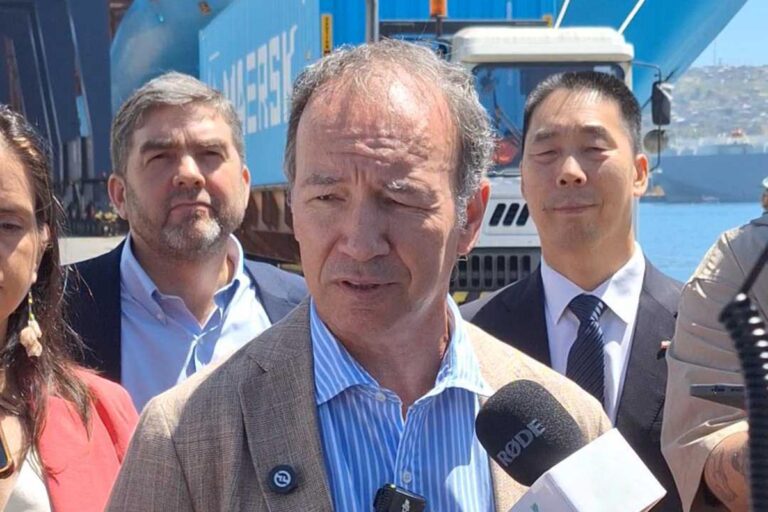
Archive
"These are perishable products that require a timely and continuous logistical chain,” he stressed. “A delay can compromise their quality and the effort of an entire season. Farmers and truckers are part of that same chain: we need each other to supply the country and meet our international commitments."
Difficulties didn’t start with the national strike.
Independent unions of transport workers at the Port of San Antonio, the main maritime terminal for international fresh shipments, announced a strike at the beginning of November. The nine-day stoppage forced the industry to move this year’s inaugural Cherry Express trip to the neighboring port of Valparaiso, raising costs for exporters.
*Main image via Radio Biobío Los Ángeles
Related stories