


Argentina on track to identify genetic differences in pecan varieties
 Add Fresh Fruit Portal to Google
Argentina's National Institute of Agricultural Technology (INTA) developed a DNA-based methodology to verify the genetic identity of pecan cultivars, a tool aimed at improving material selection and its combination in commercial plantations.
An article published by the institute explains that the system combines genetic profiling using microsatellite markers with phenological information and nut characteristics. This allows confirmation that each tree corresponds to the declared pecan cultivar, establishes traceability, and supports studies of the materials' genetic diversity.
According to Ana Laura Grassi, a researcher at INTA Delta del Paraná, the organization incorporated materials from the pecan breeding program of the United States Department of Agriculture (USDA), advancing their identification and evaluation.
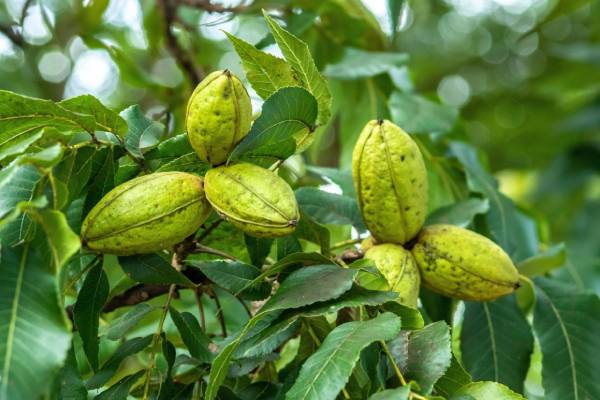
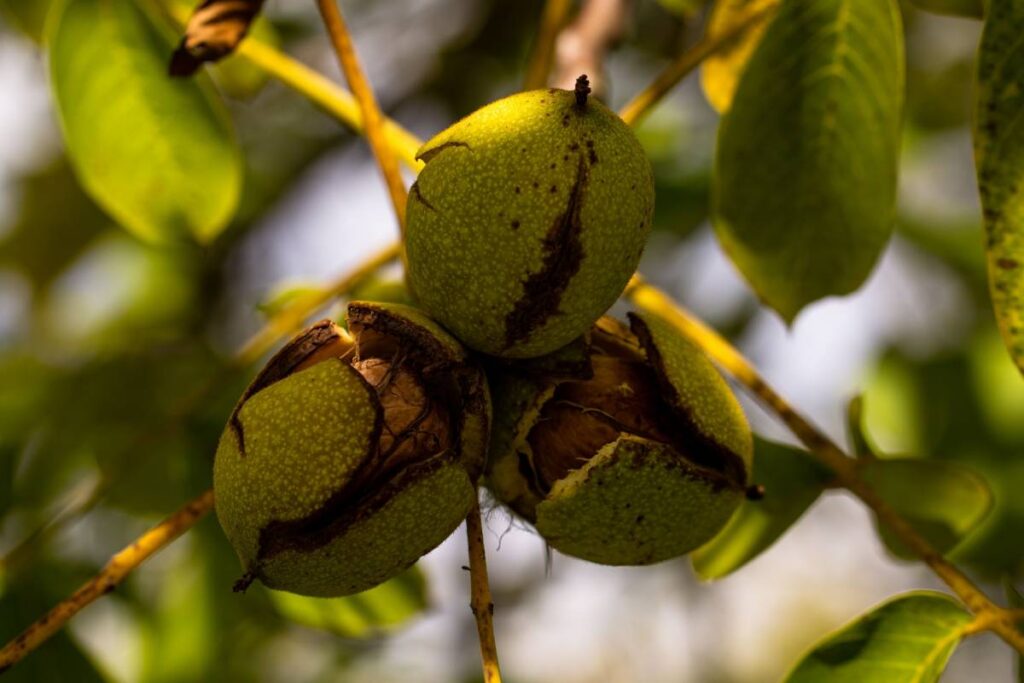
Image via Shutterstock
The experimental station currently maintains introduced and identified cultivars, as well as two sets of material developed by INTA itself. In addition, a national network of trials analyzes their performance across different regions of Argentina.
Results have allowed 20 cultivars to be registered with the National Seed Institute (INASE), while another 14 are undergoing description and characterization for upcoming submission to the National Register of Cultivars.
How to identify pecan varieties’ genomes
Identification began with DNA profiling using microsatellite markers. Carolina Martínez, a researcher at INTA's Institute of Agrobiotechnology and Molecular Biology (IABIMO), explained in the study that these analyses are comparable to paternity or lineage testing in humans.
To perform these tests, the team extracts DNA from leaf samples and studies a set of markers that yield unique genetic profiles for each cultivar.
These markers correspond to short DNA sequences that repeat within the genome and show variations between individuals, allowing them to be distinguished and genetically identified.

Image via Shutterstock
The molecular results are complemented with observations of the plants' life cycle, such as budding, flowering, pollen release, stigma receptivity, yellowing, and leaf fall, in addition to nut characteristics.
Juan Gabriel Rivas, a molecular genotyping specialist at INTA's IABIMO, noted that each tree has a unique combination of DNA information that functions like a genetic fingerprint.
The science’s impact on productivity and pollination
Correct cultivar identification has direct implications for commercial production, as it allows selection of plant material adapted to each region and the use of performance trial results conducted by INTA.
This approach particularly helps with pollination. Pecan is a dichogamous species, meaning pollen release and stigma receptivity occur at different times, depending on the cultivar.
There are protandrous materials (type I), where pollen release occurs first, and protogynous materials (type II), where female flower receptivity comes earlier. For this reason, plantations require combining cultivars with complementary flowering periods to favor pollination and subsequent fruit set.
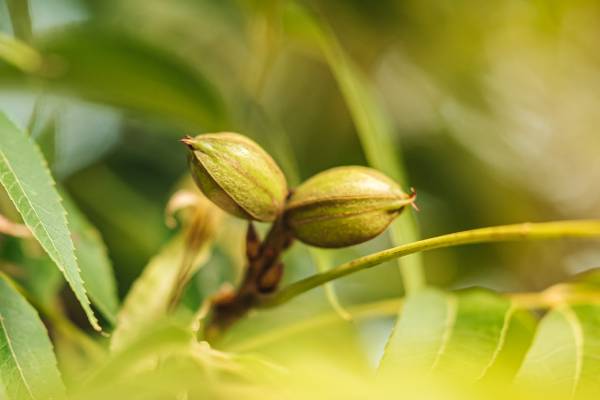
Image via Shutterstock
Enrique Frusso, a pecan cultivation specialist at INTA, warned that incorrect identification can undermine this planning: if a tree does not match the expected cultivar, the intended combination to ensure pollination may fail.
*All images are referential via Shutterstock
Related stories
Pecan power: New review confirms nut's impact on heart health and diet quality