
Carbon calculator makes footprint on South African fruit industry


South African fruit and wine industry initiative Confronting Climate Change (CCC) now has the years of data necessary to set strong benchmarks, helping growers and exporters alike stay ahead of the curve with their environmentally-friendly credentials. 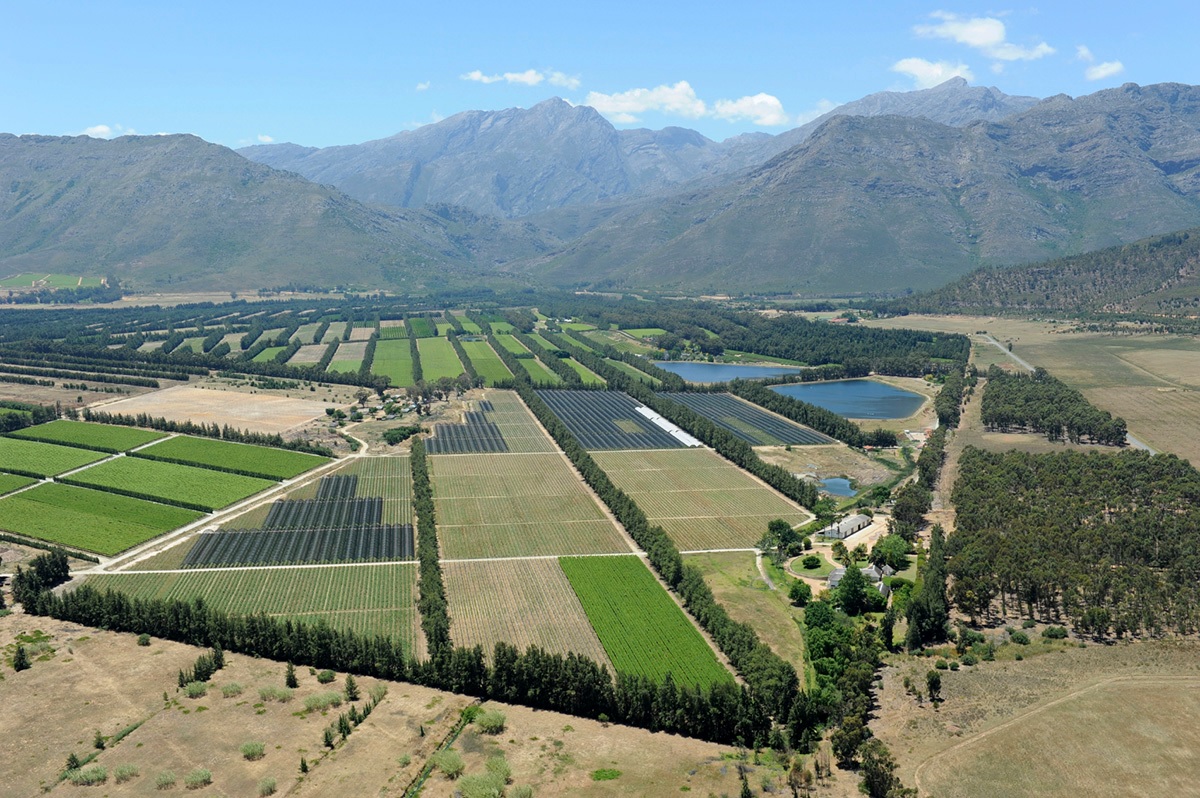

And they might even save on input costs in the process.
This is the message from CCC project manager Anél Blignaut who emphasizes the initiative’s free carbon footprint calculator tool meets international PASS2050 standards set by the Carbon Trust, and now has 1,500 users and around 702 businesses with completed assessments.
“It’s primary producers, farmers, packhouses and wineries that use it. We’ve also got a lot of interest from exporters who will typically canvass their farms to also look at the carbon footprint,” Blignaut tells Fresh Fruit Portal.
She adds there are now more pressures from markets around reducing carbon emissions, and representatives of certification standards like LEAF and some European supermarkets have started asking more questions.
“That’s the pushing factor for this – for the farmer himself it’s a handy tool other than just a carbon footprint tool, it also helps him to measure his inputs, and if he uses the tool correctly it can also help him reduce his input costs,” she says.
“You can identify from our reporting where the hotspots in your business are, both in terms of carbon footprint and your inputs, and you can start focusing your energy on that.

CCC project manager Anél Blignaut
“On a farm itself it’s often the electricity supply for the pumping of water and also nitrogen for some of your inputs. For your packhouses it’s once again electricity and also packaging material – those are the hotspots and for wineries it’s quite similar.”
She adds the service also allow exporters to gain a full supply chain picture of their carbon footprint through to port in the destination market, provided they fill in all sections in the forms and their grower suppliers also use the calculator.
The project began before Blignaut’s involvement back in 2008, formed by two fruit industry associations the Citrus Growers Association of Southern Africa (CGA) and Hortgro, as well as the Wine Industry Network for Expertise and Technology (Winetech)
“They came together and wanted to address how they can address climate change within the fruit and wine sectors, and that culminated in a carbon footprint calculator,” she says.
“From there it grew and for the last three years it is those industry bodies as well as the Western Cape Department of Agriculture which fund the project.”
“Theoretically we cover the whole country but export fruit and wine is concentrated in the Western Cape. But we do our workshops elsewhere in the country, up in Mpumalanga and in the Eastern Cape as well,” she says, adding some vegetable growers also use the tool.
While the service is free, the CCC puts the onus on growers to enlist recommended service providers to address their shortcomings.
“We might give them some ideas in terms of recommendations of what to look at, but every farm is unique and every packhouse is unique, so it’s up to the producer then to start engaging with certain service providers.
“Sometimes it’s just efficiency and improving your management style, and sometimes it’s technology.” 
She says the CCC now has four years of good data under its belt, and at workshops there are generally quality checks and updates in order to compile benchmark reports for different regions and commodities.
“All of their inputs would be reflected against the region for that region and commodity – that’s how they know whether they’re high or low or where they fit in.
“Whenever you start with any farmer they generally don’t like to do these kinds of things, but you’re seeing a shift.
“In general climate change is felt more closely in the last few years, especially in the Western Cape where we’ve had a very dry year and it’s still quite dry.”









Subscribe to our newsletter