







‘One of the few disruptors’: Wonderful Citrus continues to bet big on seedless lemons
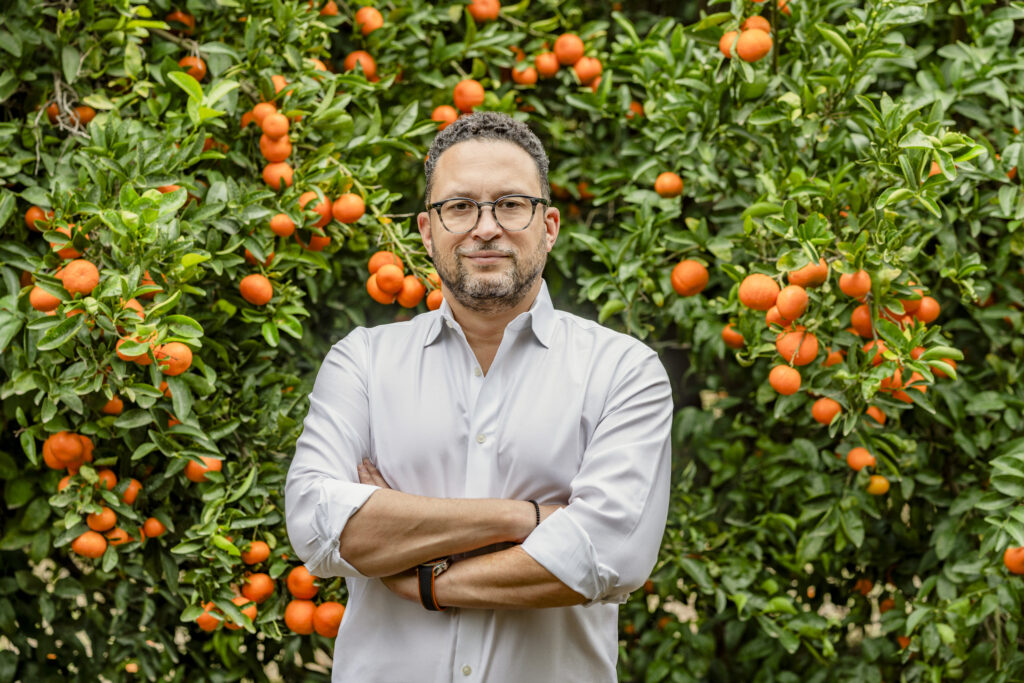



California is home to some of the world's largest vertically integrated citrus companies, including Wonderful Citrus. The company owns 74,000 acres of fresh citrus, and now, with the brand's new Wonderful Seedless Lemons, it has continued to grow in both acreage and consumer interest.

This year, lemon prices in the U.S. dipped to their lowest in at least a dozen years because of oversupply, but quickly recovered — largely because "imports are down almost 60% during this time window," Zak Laffite, Wonderful Citrus' president, explained. "It's less competition, it gives the market room to get back to balance," he added.
Laffite has a pulse of the citrus industry, anchored by a wide range of knowledge in the field and 21 years of experience in the company. This year, he explains, the overall industry has suffered the disruptions of tariffs, mandarins had a positive one, and lemons are "complicated."
For lemons, Laffite said a lot of it has to do with the ample imbalance between supply and demand.
"We've had way too much supply this year dating back to the summer of '24, and that's just sort of created a domino effect that culminated in some of the lowest prices that we've seen probably since 2013," he explained. "But obviously, our costs aren't anything like the 2013 costs, and that creates that much more pressure for growers and operators like us."
The rebound was quick, he said, but he worries about how the brunt of low prices might hurt the industry, especially lemon producers.
"I think we generally see costs increasing year in, year out, especially now with risks of fertilizers which depend on foreign ingredients and that's probably going to increase a bit," he said. "We don't necessarily see that linear increase in pricing, it tends to fluctuate, especially when commodities are grossly oversupplied."
He believes lemons have quickly put themselves on that list. The fruit has become essential in most people's cooking; Laffite categorizes it as a condiment. "It's not like you stop buying some fruit to buy more lemons."
So, although acreage plantings in California and internationally have quickly increased, consumption has not necessarily followed that same pattern, since they're a staple now.
"It's been a bit, a bit tough this year, but we continue to do the work," he said. "I think next year will be better," he said positively.
He did highlight the brand's seedless lemons as a game changer. Although growth for regular lemons has been static, the seedless brand has seen a progressive increase.
He believes the commodity is "one of the few disruptors that comes into the category every so often."
"We've seen more than 30% growth in consumption. As our program matures, we're going to continue to grow the years going forward—100% seedless," he said.
"For all those lemon lovers that are annoyed by the seeds like me, this is the product we've all been waiting for."
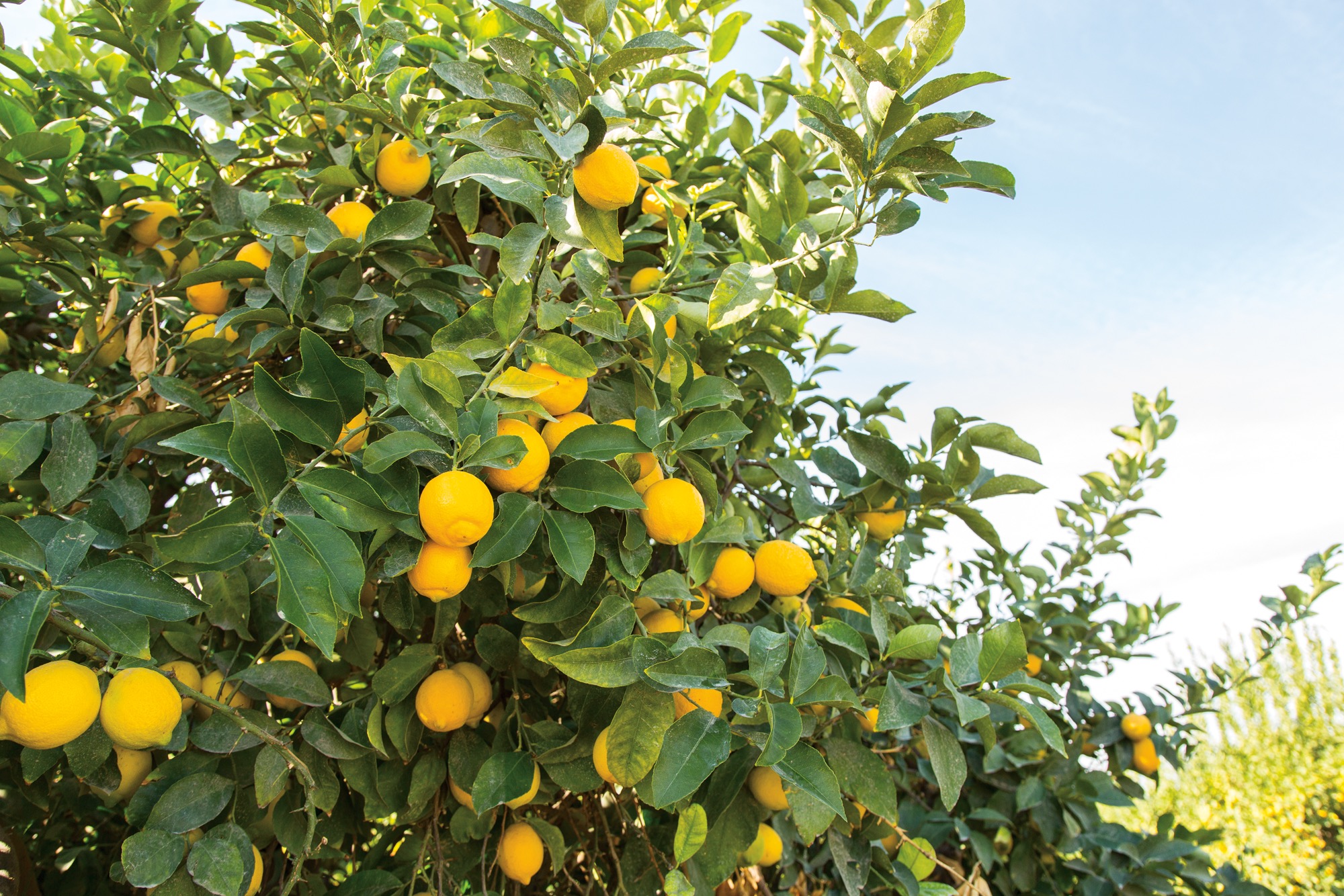
Photo courtesy of Wonderful Citrus
The company is also the owner of the seedless, easy-peel Wonderful Halos mandarins. This year, on the other hand, has been a good eating-quality one for sweet citrus, Laffite said, which "has helped out movement, demand, and repeat sales, which we're very pleased about."
"We're not seeing as much radical growth in those categories as we did maybe four to five years ago," he explained.
The most important thing for mandarins is to make sure the quality of the fruit is top-notch for consumers' taste so they keep coming back. Although there's a little more volume of the fruit than the marketplace needs, Laffite said this year has been a very good one for mandarins quality-wise, and a stable one price-wise.
"It's always very good when we have a good eating-quality year because we get the most out of consumers," he explained. "The worst thing to do is to have a lot of volume and to have one of those years where maybe the weather is not right, so on, and the fruit sort of reflects that. I think this year we actually had great eating quality, and you get consumers coming back for it."
Thanks to the good-quality Halos, prices landed at around $1.60 a pound, which is usually where mandarins tend to land, Laffite explained.
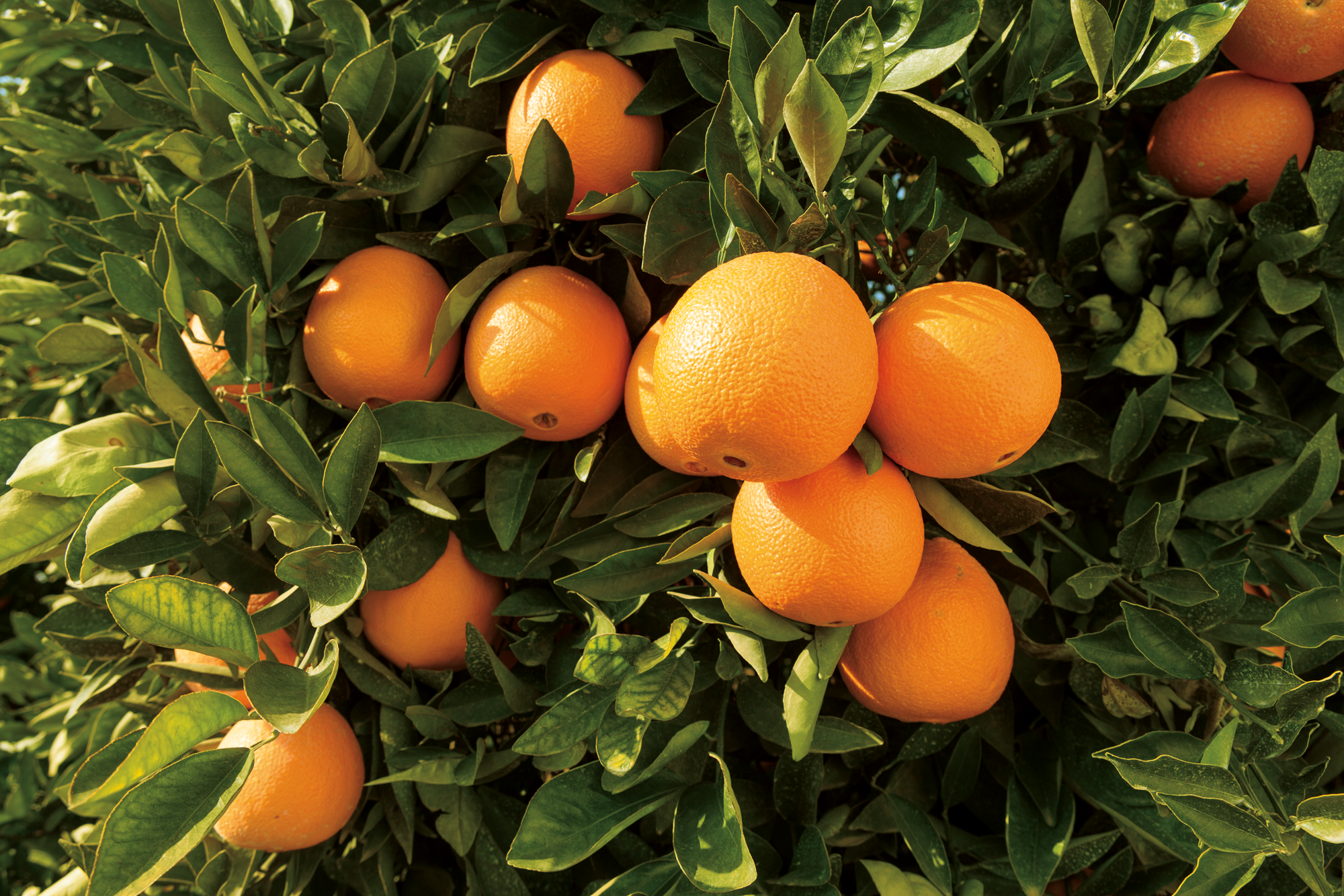
Photo courtesy of Wonderful Citrus


Subscribe to our newsletter