







U.S. imposes 15% tariff on EU under new trade deal, raising concerns for Spanish exporters
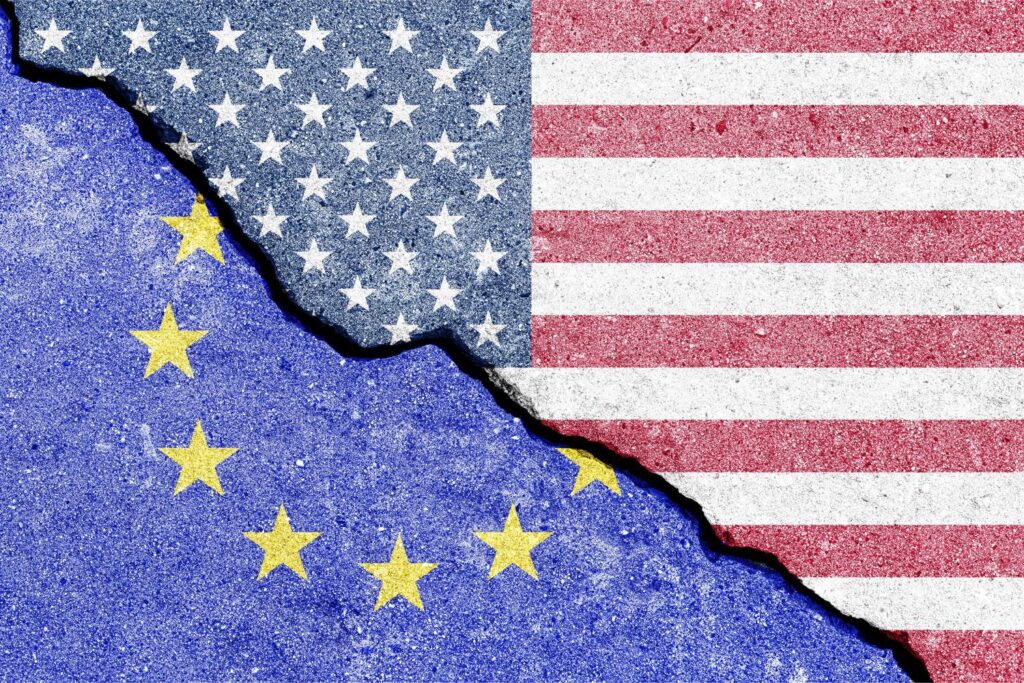



U.S. President Donald Trump announced a new trade agreement with the European Union, which will impose a 15% tariff on most EU imports. Meanwhile, tariffs on U.S. imports to EU countries were set at zero.

The number is higher than the average 1.2% levy on all imports that prevailed before the Trump administration took office for the second time, but lower than the 50% the president threatened to impose if the parties didn’t reach an agreement by August 1.
The U.S and the EU are major agricultural trade partners. In 2024, the United States imported $213.0 billion worth of agricultural products, 60% originating from Mexico, Canada, and the EU. On the other hand, U.S. exports to EU countries are worth a total of $12.85 billion, and the 0% levy on all American imports is set to greatly benefit the American agricultural industry. The big winner will be the tree nut category, especially almonds, as the U.S. is the EU's biggest supplier.
Celebrations will not extend to Europe, though. The EU is traditionally a net importer of fruits and fresh vegetables, but the United States only ranks fourth among its main fruit export destinations.
Spanish farmers on U.S. tariff: Sectors "could suffer millions in losses"
Spain is Europe's leading producer and exporter of citrus, and one of the EU’s main fruit exports overall. The country is also a major exporter of olive oil, with direct shipments to the United States exceeding $1.08 billion from June to May this year.
Spaniards are not a significant fruit supplier to the U.S., but the trade deal came as a surprise for local citrus, tree nut, olive oil, and wine exporters.
In a press release, the Valencian Association of Farmers – Agrarian Association of Young Farmers said the agreement will lead to a significant increase in costs for Valencian exports and result in a clear loss of competitiveness.
“We do not understand President Von der Leyen's enthusiasm for this alliance, which imposes a 15% tariff—a figure that represents a substantial increase compared to the rate prior to the start of this trade war, and will directly impact our production,” said the association's president, Cristóbal Aguado.
The organization also warned about the EU's commitment to purchase massively from the U.S. economy, including its agri-food sector. “If this investment helps strengthen U.S. agriculture, we would be further worsening the competition faced by our producers, with very concerning consequences for the future of certain products—for example, tree nuts—which could suffer millions in losses,” Aguado added.
With only three days left, the EU is the latest global actor to strike a trade deal with the U.S. before President Trump's August 1 deadline arrives. Last week, Indonesia, the Philippines, and Japan signed trade agreements, and the latter country also committed to a $550 billion investment in the American economy.


Subscribe to our newsletter