








Tariff threats unveil the startling fragility of the North American food system
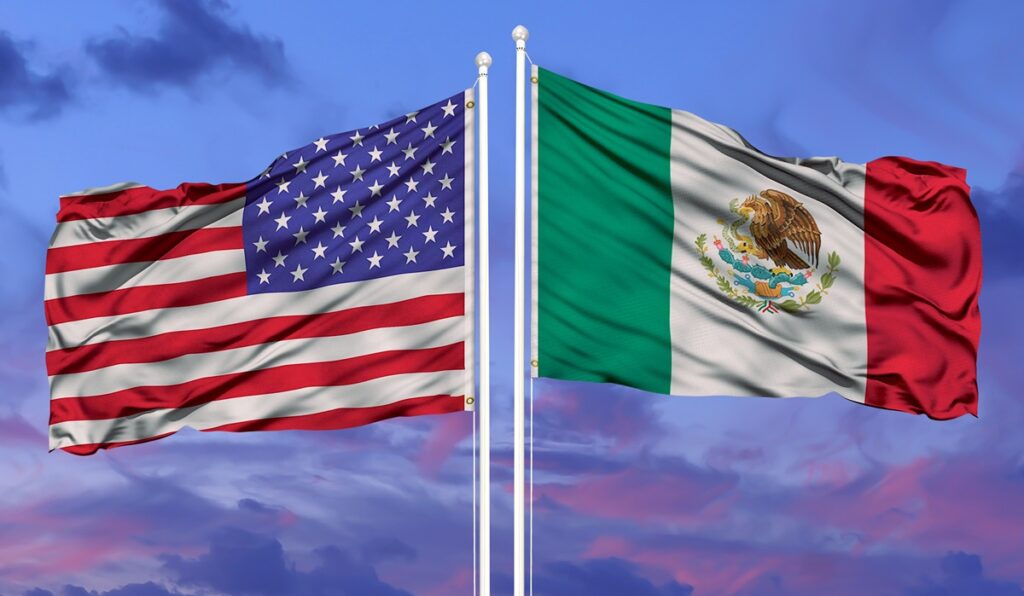



Without even going into effect, the tariffs announced by the Trump Administration in recent months have proven to be just as disruptive to food security as the real thing.

That’s the premise behind an article published on the prestigious scientific journal Nature Food by Daniel Jacobo-Velázquez, a Mexican researcher at the Tecnológico de Monterrey’s School of Engineering and Sciences. In the document, the expert breaks down the different areas where impending tariffs might hit hardest, such as food security in the U.S. and income instability in rural Mexico.
“Just the mention of tariffs generates a certain tension,” says Jacobo-Velázquez. “It changes prices and pushes contract renegotiations that wouldn’t be necessary if the attention were not on tariffs.”
The expert explains that the current United States-Mexico-Canada Agreement should protect food imports into the U.S., as they ensure the general population’s access to food. This would mean that the Mexican fresh produce industry, which mainly serves the American market in most major categories such as berries, avocados, and tomatoes, would be safe from the effects of the 30 percent tariff looming over the U.S.’s neighbor to the south.

Daniel Jocobo-Velázquez is a researcher at the Tecnológico de Monterrey's School of Engineering and Sciences.
The problem is that, at the moment, considering the current sour state of trade relations between the U.S. and Canada, it is uncertain if the White House will stay in the agreement, change it, or even withdraw altogether. This volatility, says the expert, sheds a bright light on the fragile nature of an economic relationship as intertwined as that between the U.S. and Mexico.
Jacobo-Velázquez explains that market diversification is key to remedy the situation, so Mexican producers should look to their brothers and sisters in the south to allocate fresh produce. But even this solution comes with a catch—the compromise of sustainability.
“The U.S. is right there. Michoacán is the main avocado-producing state, and we already have the logistics to easily move the fruit across the border,” he says, “Shipping the same avocados to Europe or other countries will leave a bigger carbon footprint. At the same time, the U.S. will have to find a way to supply its domestic market, importing from countries that are farther away.”
Food security—the price of trade instability
One of the key takeaways from Jacobo-Velázquez’s article is that as prices rise, the first groups to be affected by reduced food security will be lower-income brackets within the U.S.
The cost of tariffs is primarily passed on to consumers in the form of higher prices. In the case of fresh produce, this means high-quality fruits and vegetables become more expensive and even prohibitive for certain demographics, who will have to make due with either low-quality products or no produce at all.
This is a big red flag for Jacobo-Velázquez, but he remains hopeful.
“I sincerely think the U.S. will not go to such dramatic lengths as to put tariffs on foods,” he says. “These products are part of a population’s food security and nutrition, so I don’t think they’ll get to that. That’s my personal hope.”
The expert also writes that tariffs would significantly reduce margins for exporters, which would, in turn, close the U.S. market to many rural growers in Mexico. They’ll only have a few options: sell to the domestic market for a lower profit, switch to a more profitable (albeit potentially less sustainable) crop, or get out of the supply chain altogether.
Unfortunately, Mexican tomatoes are already subject to a 17 percent levy following the U.S. termination of the Tomato Suspension Agreement. In response, Mexico has set a minimum price for tomato exports, but it is unclear whether Mexican President Claudia Sheinbaum will announce similar measures to protect other industries that heavily depend on the U.S., such as avocados.
Mexico’s latest tariff extension expires on November 1st. In the meantime, trade representatives from both countries continue to negotiate a potential deal that will put an end to the market uncertainty affecting producers and importers on both sides of the border.
Related stories
Consumer Price Index: Veggie prices are down, tomatoes and citrus (and inflation) are up
U.S. Chamber calls on government to reverse Tomato Agreement withdrawal

Subscribe to our newsletter