








Heat-stress protection protocols for farm workers save lives in the fields
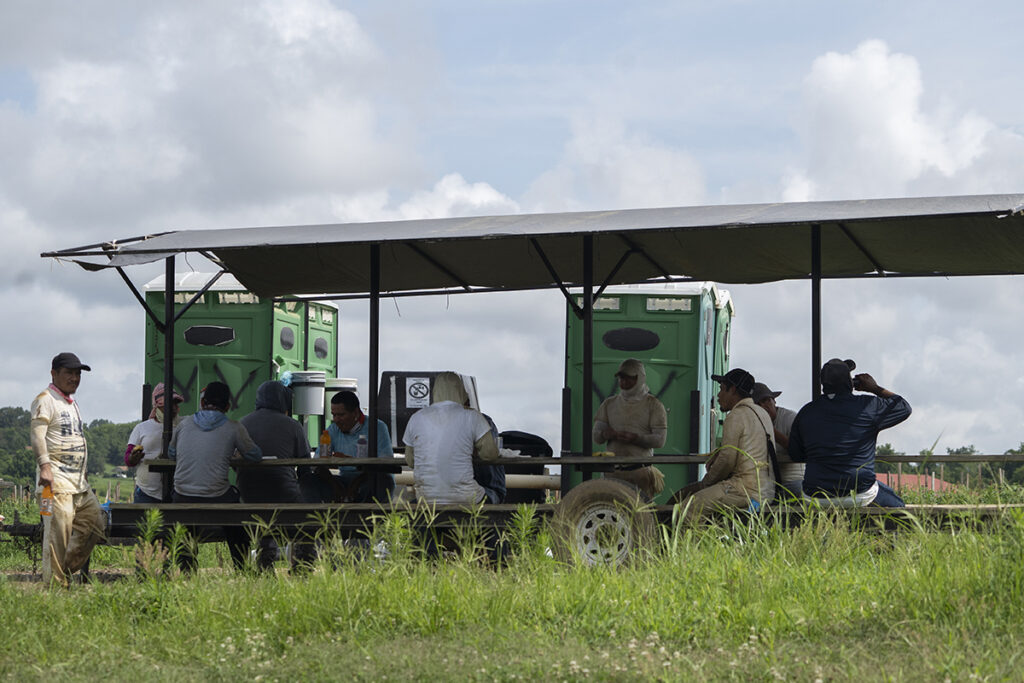



Extreme weather events over the last decade have emphasized the critical importance of heat-stress protocols in protecting farm workers in the field. The latest reminder of this dire need comes after extreme temperatures that affected the states of California and Florida in mid-August claimed the life of Marco Guevara.

A father of three girls and a farm worker in the country under the H-2A visa program, Guevara was hospitalized due to heatstroke in the Immokalee area, Florida, on August 20. He collapsed at the JAM Farmers’ field where he had been working in 95-degree weather, though thermal sensation in South Florida can range from 105 to 115 degrees, according to a National Weather Service expert speaking with local NPR station WUSF. A week later, Florida’s Coalition of Immokalee Workers lamented Guevara’s tragic passing after over seven days in a coma.

Marco Guevara and his family, in Mexico.
Guevara’s death was not the first, and, just as the victims that came before him, his death was absolutely preventable.
No nationwide protection for farmworkers
Currently, the US doesn’t have a set of federally mandated heat stress protection protocols for farmworkers. That means that in most states, the agricultural workforce is solely at the mercy of their employers when it comes to their working provisions during hot weather.
According to the National Institutes of Health, agricultural workers are 35 times more likely to die from heat-related illness than those in any other industry. Considering that extreme weather events are becoming increasingly frequent, and that some of these workers face high levels of vulnerability—more so when coming to work from other countries—this is a particularly concerning situation.
In 2011, the Occupational Safety and Health Administration (OSHA) received a request to develop a heat stress standard, which the agency declined a year later. In 2019, Democratic State Senators urged OSHA to take on the task, but to date, there has been no news regarding this initiative. The mantle has been left for the states and the private sector to take up.
The Fair Food Program, an expanding solution to protect farmworkers
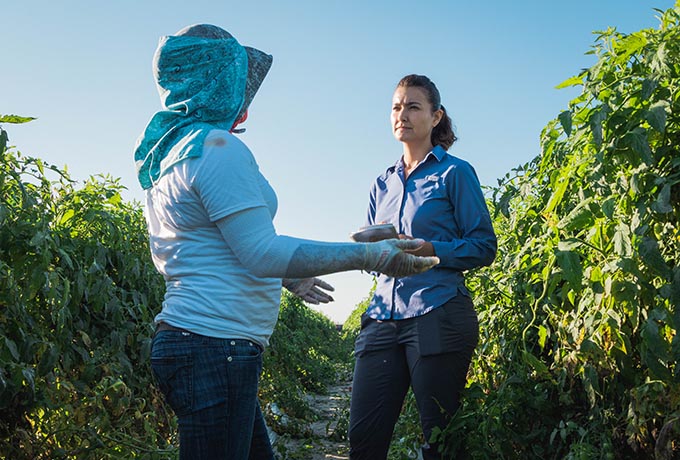
A farmer speaks to a Fair Food Program auditor in a farm.
One of the most comprehensive sets of heat-illness prevention protocols for the agricultural industry in the US is being implemented by The Fair Food Program (FFP). The organization works in partnership with workers and growers in 23 states, advocating for their rights and working conditions in the field.
“We do comprehensive audits and run a 24/7 complaint resolution mechanism that has been extremely efficient and productive in terms of resolving and preventing some basic issues and problems on Fair Food Program farms,” says Judge Laura Safer Espinoza, Executive Director of the Fair Food Standards Council, the entity tasked with legally enforcing the binding agreements among FFP participants.
Born in 2011 by the hand of the Coalition of Immokalee Workers (CIW), the FPP’s strict set of workplace protections, including safety standards, is a direct result of a working group involving growers and CIW representatives, who meet regularly to review issues that arise in the program, explains Judge Safer Espinoza.
In exchange for implementing FFP standards, participating growers receive a small premium paid by the program’s participating buyers to supplement workers’ wages and offset any administrative costs emanating from their participation in the program. Additionally, growers get purchasing preference from an expanding list of 14 major buyers, including Walmart, Chipotle, Whole Foods, and Trader Joe’s.
“It's just been a very good, beneficial, win-win-win situation—and there are so few of those,” says Judge Safer Espinoza.
The heat-illness protection protocol US agriculture deserves
The FFP aims to regulate several aspects of the farm worker environment, including the prevention of sexual harassment and the illegal retention of wages by employers. However, what sets the FFP above all other protective provisions in the industry is its comprehensive set of heat-illness protection protocols.
Judge Safer Espinoza explains that there are two layers of protection—one enforceable year-round and another in place from April 15 to November 15. Among the first set of provisions are access to shade, clean, fresh water, and proper responses on the part of participating growers to any workers experiencing symptoms of heat-related illness.
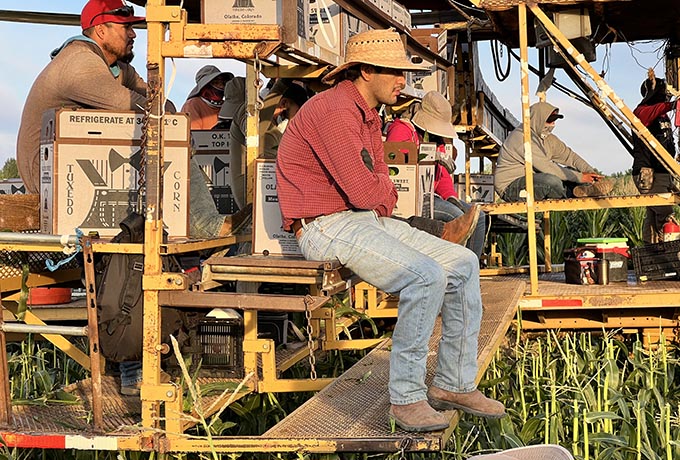
The second set of protections is in effect during the hottest months of the year, from April 15 to November 15, and includes mandatory breaks for harvesters, every two to two and a half hours, as well as the provision of electrolytes for workers throughout the fields. The latter is one of the latest additions to the FFP heat-stress protection protocol, aiming to prevent organ damage due to severe dehydration.
Workers also have the right to take breaks as needed, as well as mandatory breaks every two hours, with no more than two and a half hours apart between them. Judge Safer Espinoza emphasizes the importance of mandatory breaks in addition to optional ones, as it relieves pressure on farm workers having to keep up with the truck receiving the harvest. This, she says, plays a key role in preventing heat-related illnesses.
“Thank goodness life is not a controlled experiment, so we don't know how many people might have met Marco’s state had these protocols not been in place. But it is fairly safe to say that many tragedies are being prevented every day that they are in place,” she says.
Good for workers, good for business
The incentives to adhere to the whole range of FFP protocols are multiple. Aside from the small premium farmers receive, Judge Safer Espinoza says FFP partners have reported reduced employee turnover, as well as a lower number of accidents and illnesses, including those related to heat stress.
The executive adds that, although the FFP doesn’t have specific numbers regarding the program’s impact on partners’ productivity, she doesn’t believe adhering to the program is detrimental to it, as evidenced by the initiative’s retention and expansion rates.
“Not only have almost all the original growers stayed, but we have grown exponentially,” she says. “There’s a lot to be gained by them getting certified by what is now considered the gold standard in human rights for agricultural workers.”
Ultimately, it’s not only common sense to protect the workforce, but it’s also a good business decision. Consumers are increasingly aware of the origins of their food and are willing to make financial decisions that support suppliers who align with their values. In that sense, retailers have found value in good practices.
“I think most retailers see the value in the program just as they do with food safety,” says Safer Espinoza. “Why shouldn’t human rights also be an ingredient? Why shouldn't there be a specification that they demand of their suppliers? Human rights should just be a natural specification that is required—and it is what consumers want to see.”
*All images courtesy of The Fair Food Program
Related stories
Growers turn to contracting agencies as they seek stable farm labor
Triple-digit heat hits lettuce, broccoli, and strawberry harvests in California
U.S. Department of Labor finalizes Farmworker Protection Rule




Subscribe to our newsletter