

Florida tomato industry ripens as anti-dumping duties return
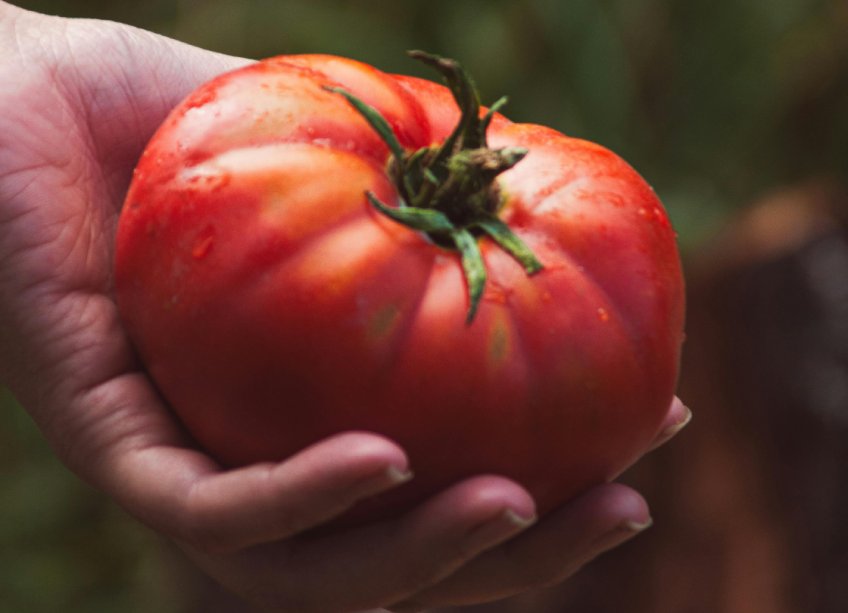

After 28 years under the Tomato Suspension Agreement (TSA), US growers are officially able to profit from what they say is now a level playing field.

With reinstated anti-dumping duties for Mexican growers, Florida Tomato Exchange (FTE) Executive Vice President Robert Guenther tells FreshFruitPortal.com the Sunshine State’s industry is gearing up for a good season.
“Stronger domestic production means a more resilient supply chain,” he explains. “By keeping American growers competitive, we reduce dependence on imports and avoid the risk of sudden shortages or spikes.”
The FTE has long deemed trade protections provided by the TSA insufficient, and openly supported the US Department of Commerce’s decision to scrap the deal.
With the state’s marketing season beginning later this month, Guenther emphasizes that stable prices and consistent supply remain the sector’s top priorities. Domestic producers lost a significant market share to Mexican supplies in the past decades, as the neighboring country saw almost 250 percent growth.
“For decades, Mexican producers sold tomatoes below fair value, driving US growers out of business,” he says. “This duty simply restores a level playing field.”
According to the USDA’s 2024 Vegetable Summary, the fruit is consistently among the top-selling vegetables in the US produce department. Guenther notes that domestic growers are now better positioned to plan, invest, and expand without the competitive threat of dumped imports.
“Tomatoes remain one of the most affordable, nutritious, and stable vegetables in the produce aisle,” he adds. “The numbers tell the story. Prices have moved less than analysts predicted and remain affordable.”
Enforcement and risk management are now in focus
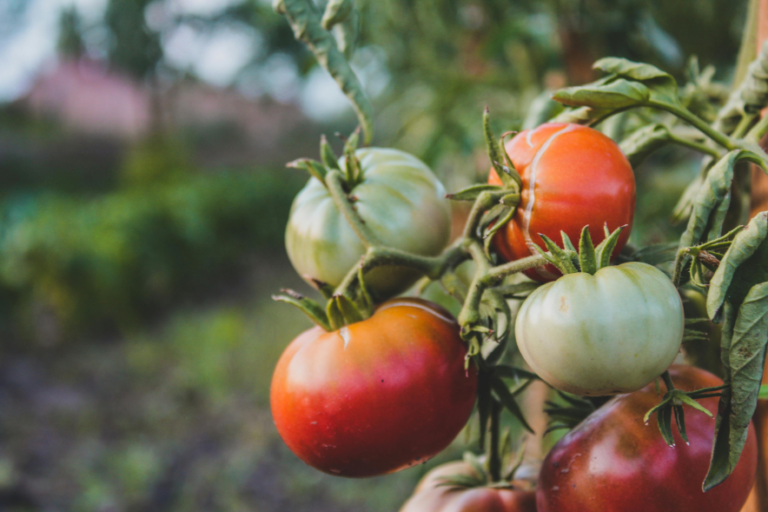
With the TSA no longer in effect comes the issue of enforcement. For this, Guenther says, the role of federal agencies such as Customs and Border Protection (CBP) will be crucial.
“Failure to declare the correct value of the merchandise, to identify the correct country of origin, the correct exporter or manufacturer, or to pay the pertinent cash deposits can result in penalties imposed by CBP,” Guenther stresses. “In certain circumstances, the penalties can be criminal”.
The FTE is advising its members to closely monitor both market conditions and compliance developments. While potential disruptors remain a concern, the organization projects a positive outlook for the season.
“Input cost continues to be an issue as with many other fresh produce items,” Guenther explains. “Weather can also impact the market for Florida tomatoes, given hurricane season and a cold snap that can occur in the growing regions.”
Despite this, Guenther says that shoppers shouldn’t be worried about price surges. A strengthened national tomato industry, he adds, “helps protect consumers against future price spikes by reducing dependence on imports.”
With the end of the TSA bringing a turning point, the executive says that maintaining fair competition will be critical for preserving the sector’s integrity.
“Stable, fair pricing ensures growers can stay in business and keep producing for decades to come,” he says. “Every acre of tomatoes supports local communities, farmworkers, truck drivers, packers, and suppliers.”
Related stories
NatureSweet on termination of Tomato Suspension Agreement: "It threatens to upend the fresh tomato supply chain"
CEA Alliance: Quality is hurting the Florida tomato sector—not dumping
"Tremendous effects": Industry braces for tariff hike, lower growth as Tomato Suspension Agreement ends
Florida Tomato Exchange says TSA ‘failed in its basic purpose’ of ensuring fair trade










Subscribe to our newsletter