







Westfalia Fruit wants to develop your new favorite avocado
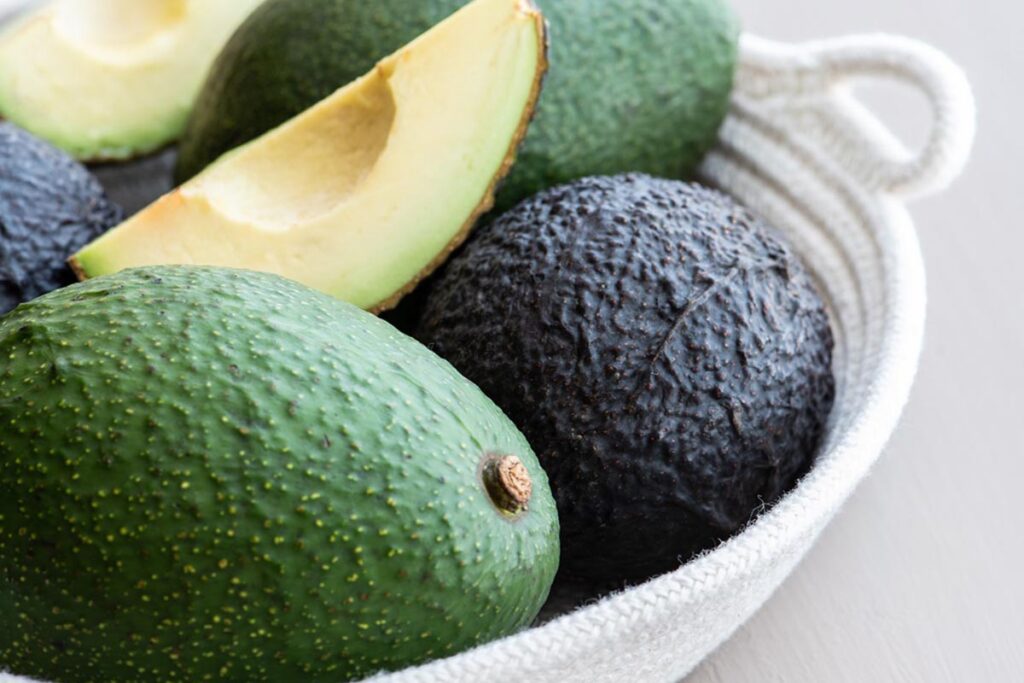


Think of the ideal avocado. To you, that might mean an extra-creamy Hass or a larger and sweeter Semil 34. To some, it might mean a cross of the two—maybe a fruit that might not exist yet.

Fortunately, you may soon be able to find a new variety on the market that checks all your boxes.
Leading world avocado supplier Westfalia Fruit unveiled its avocado variety library at Fruit Attraction 2025 in Madrid, Spain. The initiative aims to encourage the development of future avocado varieties better tailored to consumers’ tastes. Your favorite, but better.
Diversity drives better avocados
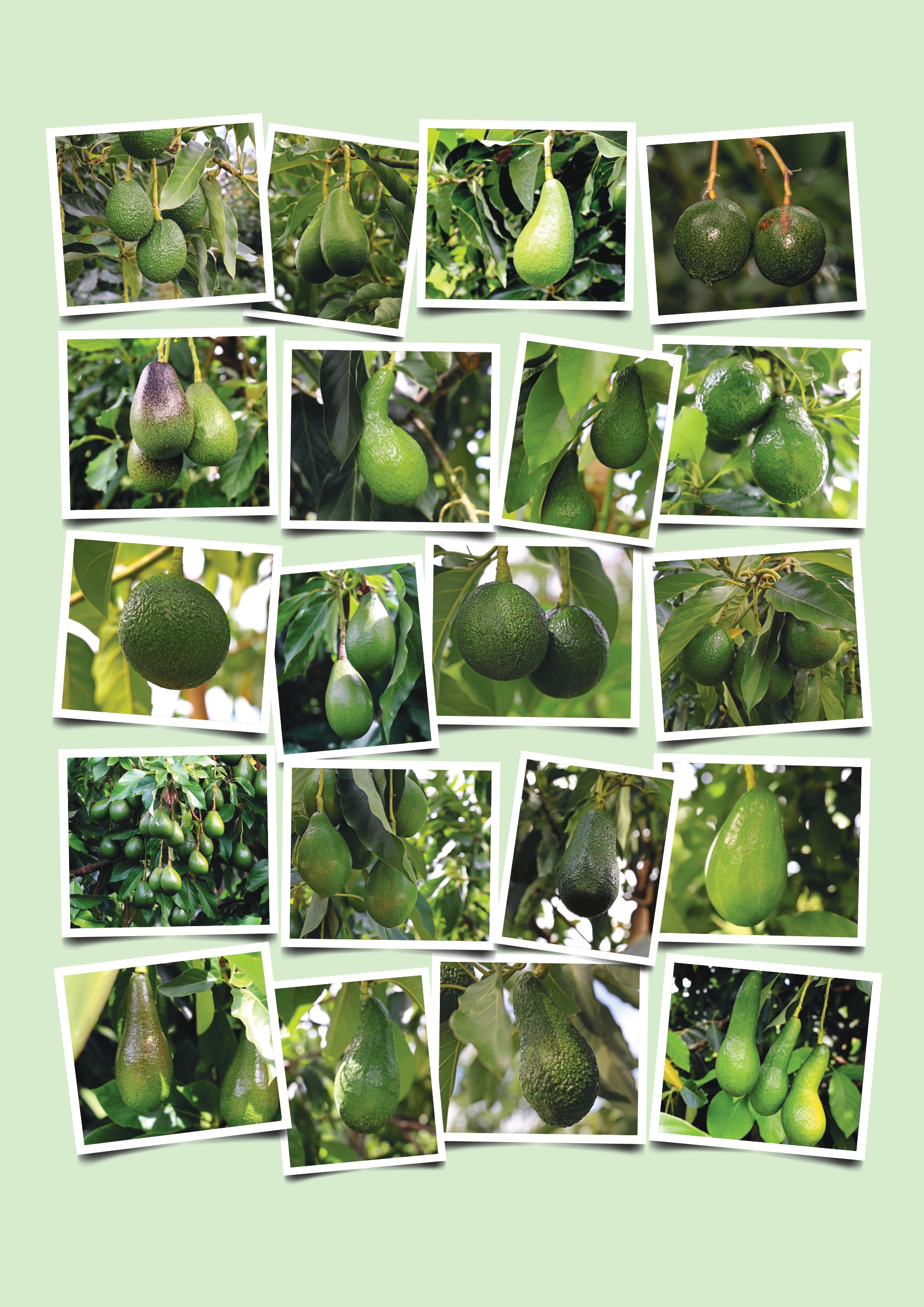
The collection comprises more than 140 unique avocado cultivars—the world’s largest avocado variety library to date, and is part of the Orchard of the Future project.
The initiative involves governments, universities, and private entities worldwide, aiming to develop cultivars adapted to changing consumer demand, emerging markets, and climate pressures through DNA-editing technologies, artificial intelligence, and precision breeding methods.
According to Westfalia Fruit’s director of plant research, Dan Sargent, the living collection is the breeders’ baby.
“To produce a new avocado variety for the market, you need to start with a lot of diversity,” he explained. “All of this diversity is incorporated into this cultivar variety library, which is based on our work to produce seedlings.”
The science behind breeding new varieties
To do this, Sargent says, breeders take the pollen from male flowers and apply it to the female flower either through natural pollination or with trials with artificial pollination. This ensures that a particular female parent is crossed with a particular male.
“We harvest the fruit from all of those pollination events, take the seeds, germinate them, and produce lots of little seedlings,” he explained.
This process allows the program to come up with as many as 1,000 completely genetically unique avocado plants each year—Westfalia’s plant babies.
The seedlings then undergo a rigorous seven-year selection process before they reach the market. After that, the numbers are whittled down to perhaps two or three seedlings chosen for commercial trials.
Consumers get a say on the new avocados’ characteristics
What’s new is that customers will be able to participate in the development process—a chance to ask for the avocado variety they want and have a say in what fruit characteristics they’d like to see in the future.
Sargent says one of the most requested characteristics in an avocado is consistency and good eating quality.
“Consumers don't want to be eating great avocados in the middle of the season and then terrible avocados on the shoulders of the season,” Sargent explained. “And also demand great-tasting avocados, as they do with all fruits.”
For example, Hass lovers always came back for the Hass. However, when Westfalia introduced its sister variety, the Gem, it caught the attention of several Hass consumers who were looking for a slightly nuttier flavor from their avocados.
This, Sargent explains, is because avocado eaters have become more educated and discerning, since the fruit is now a staple in most major countries, and the development of new varieties should take that consumer into account.
“We want them to eat it and say, ‘Wow, that was something different!’ We want it to be that exclusive eating experience, rather than a standard one,” he explained. “But more than that, we want to give them the choice.”
Related stories:
Mixed signals in avocado market as Europe gets a ‘ripe’ boost
Peruvian Hass avocado exports reach historic levels, US imports surge



Subscribe to our newsletter