








PISBA reactivation: A decisive step for Colombian banana competitiveness and security in the face of drug trafficking crisis
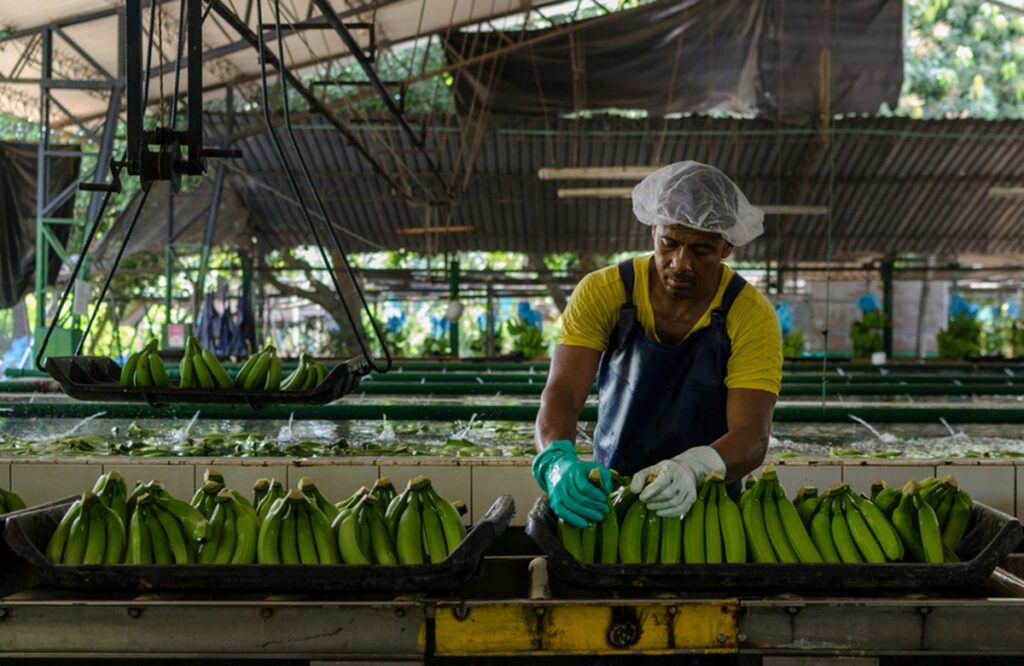



Written and reported by Macarena Bravo | Lee esta noticia en Español

Drug trafficking has expanded to the point of even disrupting the export of Colombian bananas. For the industry, the situation has become an absolute nightmare.
To tackle this problem, the Colombian National Police relaunched the Comprehensive Security Reactivation Plan for the Banana Sector (PISBA, for its initials in Spanish).
The initiative will benefit from strategic alliances with the State, companies, and other industry associations to reinforce controls, prevent cargo contamination, and ensure the competitiveness of the sector in international markets.
Protecting the Colombian banana industry
PISBA summarizes its agenda with a practical and measurable approach: identifying, managing, assessing, and measuring risk and threats.
In practice, this translates into comprehensive process reviews, prevention protocols, and strengthened controls at critical points. This coordinated action will aim to ensure that fruit destined for export meets the highest safety standards.
"What we seek with this relaunch is to close gaps so that drug traffickers can’t contaminate the product,” said Brigadier General Ricardo Sánchez, director general of Anti-Narcotics. “For this, we make visits, run prevention campaigns, and study the entire supply chain to tackle all links.”
A plan based on multi-lateral collaboration
FreshFruitPortal.com spoke with the executive president of Colombia’s Association of Banana Growers of Magdalena and La Guajira (ASBAMA), José Francisco Zúñiga, who emphasized the need for a security plan to address critical gaps.
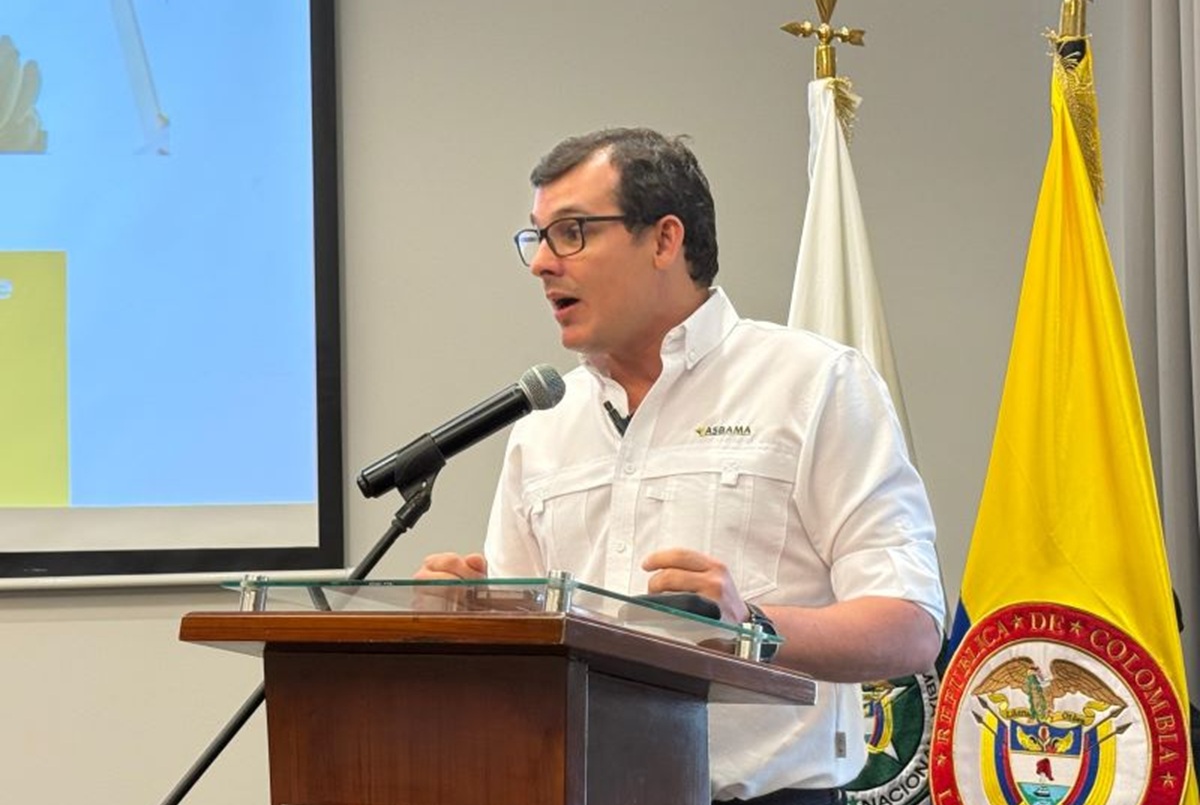
The initiative is even more relevant in the context of recovering Colombian exports, which have grown 22 percent in volume during H1 2025, despite logistical, security, and unsustainable price challenges for producers.
What was the main motivation for reactivating the PISBA?
The motivation lies in the imperative need to reinforce controls throughout the supply chain to prevent the contamination of export cargoes. This effort is focused on ensuring the competitiveness of Colombian bananas in international markets.
Why is this plan so relevant for the sector?
Its reactivation means strengthening trust and cooperation between the banana sector and the Colombian National Police.
For the entire agro-industry, PISBA represents a decisive step to shield the Colombian banana value chain from risks and threats that permanently compromise not only its operation but also its international reputation.
How will PISBA impact the competitiveness of Colombian bananas in international markets?
We expect it to have a direct and positive impact. The plan seeks to ensure that the fruit meets the highest safety standards by significantly reducing the risk of contamination.
With this, we reaffirm the industry's commitment to a safe and reliable environment for foreign trade.
What risks or threats does the banana value chain currently face in terms of security?
The main risk is the attempt by drug traffickers to contaminate our product. Added to this problem are the threats that producers have received from criminal groups, even reaching extreme situations, such as the burning of farms. In this context, PISBA focuses on effectively preventing and neutralizing these threats.
What has been ASBAMA's role in collaboration with the National Police and other state entities?
We have worked constantly and proactively to identify and solve security challenges. We are aware that the success of PISBA depends on permanent collaboration between the National Police, associations, ports, and the private sector.
In this sense, our participation is key to strengthening trust and cooperation between the Colombian banana sector and the authorities.
What type of cooperation is expected from exporters, marketers, and ports within the framework of the program?
We expect total and permanent cooperation. All attendees at the reactivation announcement, including banana marketing managers, security chiefs, industry representatives, and port authorities, ratified their commitment.
This coordination is essential to avoid reprocessing and overheads in the agro-industry's logistics chain. Profitability has been seriously affected by the increase in the cost of inputs, and we cannot continue to assume high security costs. This is a shared responsibility with state security institutions.
What specific actions will ASBAMA begin to implement in collaboration with the authorities?
Our main role is to facilitate the processes that national authorities are implementing in security matters.
For this, we will coordinate actions with Colombian banana producers to strengthen the operational capacities of the institution through vehicles, communication media, inputs, and infrastructure.
Likewise, we want to improve the information system available to security companies serving banana producers. This will allow monitoring fruit transport appropriately, identifying anomalous situations, and coordinating interventions with authorities, when necessary.
What prevention measures are you adopting to prevent the contamination of fruit with illicit substances?
Currently, the entire production chain and fruit distribution logistics are monitored. In addition, visual and electronic inspections of banana containers are conducted at the point of entry by the Anti-Narcotics Police.
What are ASBAMA's expectations for the long-term sustainability of the plan?
We have high expectations that the reactivation of PISBA will be an institutional strategy that transcends political banners and decisions of current governments. Success lies in consistency, and in the banana sector, we’ll make every effort to ensure this plan's success.
What message does ASBAMA send to producers, exporters, and allies of the banana sector regarding the relaunch of PISBA?
The message is clear: reactivating PISBA is strengthening trust and cooperation between the banana sector and the Public Force.
Our call is based on unity. Only through this permanent cooperation will we achieve security, competitiveness, and sustainability for the entire agro-industry in Magdalena and the Caribbean region.
*Photographs by ASBAMA
Related stories
Colombia, an emerging market in Latin America
Hope in the soil: New banana cultivars show TR4 resistance
President of Augura: "This is the first time Colombia has exceeded $1B in banana exports"



Subscribe to our newsletter