








Favorable weather lifts EU apple and pear crop outlook, market remains balanced
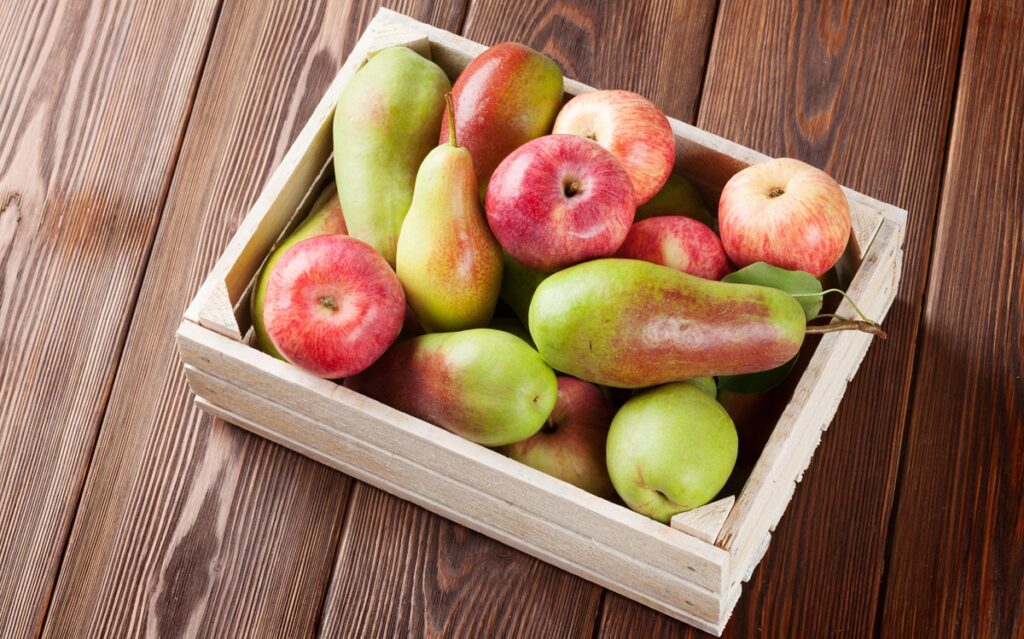



The World Apple and Pear Association (WAPA) updated its 2025/2026 European apple and pear forecast initially released at Prognosfruit in August 2025.

Favorable late-summer weather conditions have improved fruit sizes and colouring for mid and late-season varieties, resulting in revised figures showing a moderate production increase—close to 11 million tons for apples and slightly above 1.8 million tons for pears.
Total volumes remain well below the full potential of 13 million tons for apples and more than 2 million tons for pears, confirming a “medium to low” average European 2025/2026 season crop.
“While this year’s crop is slightly higher than initially anticipated, the European apple and pear market remains well balanced,” said Philippe Binard on behalf of Prognosfruit. “Production continues to be below full potential, stocks are clean, and new export openings are providing a positive outlook for the season”.
This provisional updated estimate increases the EU apple crop by 5 percent, from the initial 10.4 million tons to between 10.9 and 11 million tons. As it stands, the new forecast ranks this year's crop as the 6th of the decade, and well below the peak crop of 2018 at 13.2 million tons.
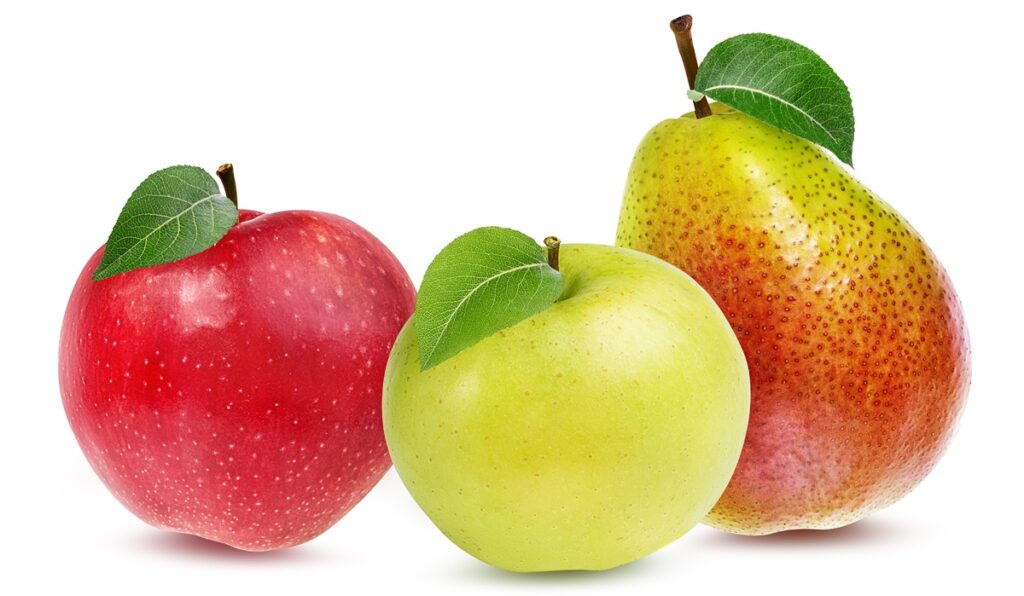
The EU pear crop is now estimated at just over 1.8 million tons, which is slightly higher than August expectations. This is the third consecutive low crop for pears, and the fourth lowest of the decade, far from the 2010 peak of 2.7 million tons.
WAPA emphasizes that forecast updates are normal, as weather developments toward the end of the harvest in November can significantly influence fruit size and yields estimated in August.
Apple and pear production—country-by-country breakdown
Following challenging spring conditions, including late frost, weak pollination, and early-summer drought, more favorable weather conditions were recorded in September, with rains and suitable temperatures that contributed to improved yields across several EU member states.
The main revisions include an indicative increase for Poland (+400,000 tons), Germany (+60,000 to 80,000 tons), Belgium (+20,000 tons), the Netherlands (+10,000 tons), and France (+20,000 tons).
Several contributors of Prognosfruit are still updating their figures, including Italy and Austria, as well as the aforementioned countries, upon the final harvesting later in November.
For pears, an increase is mainly observed in Belgium (+25,000 tons), the Netherlands (+10,000 tons), and France (+10,000 tons), partially offset by a small further decline in Italy (-9,000 tons).
Although early sales in several countries were slowed by abundant garden production and cautious consumer demand, the market is now moving into full speed, supported by healthy domestic consumption and emerging export opportunities.
Exports and marketing challenges
Some quality challenges have led to higher volumes being directed to the processing sector, balancing the fresh market's potential and tightening the outlook for stocks in the fresh market later in the season.
Despite geopolitical headwinds, export volumes are now in full swing, with volumes up 20 percent year-over-year, buoyed by lower production in Türkiye.
This is creating opportunities for EU exporters in the Middle East, India, and North Africa (Egypt, Libya), as well as elsewhere in Southeast Asia and Latin America.
Apples and pears remain the leading categories in the fruit basket assortment, offering a diverse range of varieties to consumers throughout the season. The category needs to be properly stimulated by the future vision for agriculture in the EU and the upcoming CAP reform to remain competitive and attractive for the generational shift.
Related stories
Prognosfruit 2025: EU Apple and pear production holds steady amid market uncertainty





Subscribe to our newsletter