








Forests take root in COP30 agenda as new report links trees to farm resilience
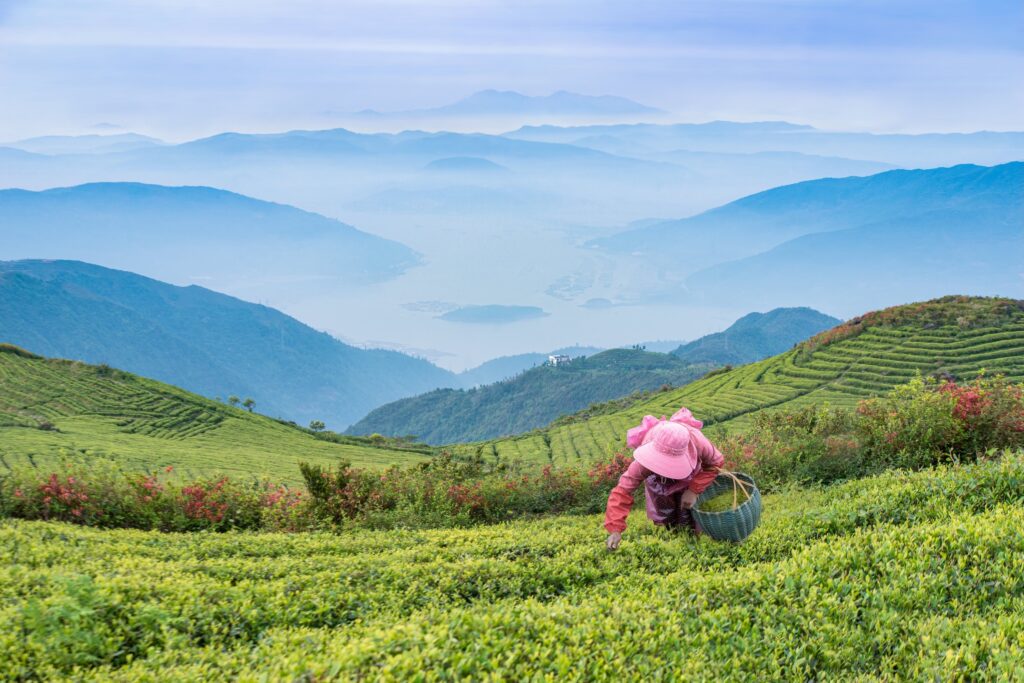


A new report released at the 30th United Nations Climate Change Conference (COP30) in Belém, Brazil, has unveiled that forests play a far larger role in boosting resilience in global agriculture than is typically recognized.

Published by the Food and Agriculture Organization of the United Nations (FAO), the Stockholm Environment Institute, Conservation International, and The Nature Conservancy, Climate and ecosystem service benefits of forests and trees for agriculture compiles global research showing how these green lungs stabilize temperatures, sustain rainfall, and regulate water systems that underpin crop yields and rural livelihoods.
“Forests and trees are often seen as competing with farming for land, or being peripheral to agriculture, but conserving and restoring them is in fact crucial to boosting agricultural productivity,” says FAO Forestry Director Zhimin Wu.
Forest loss increases heat stress for crops and workers
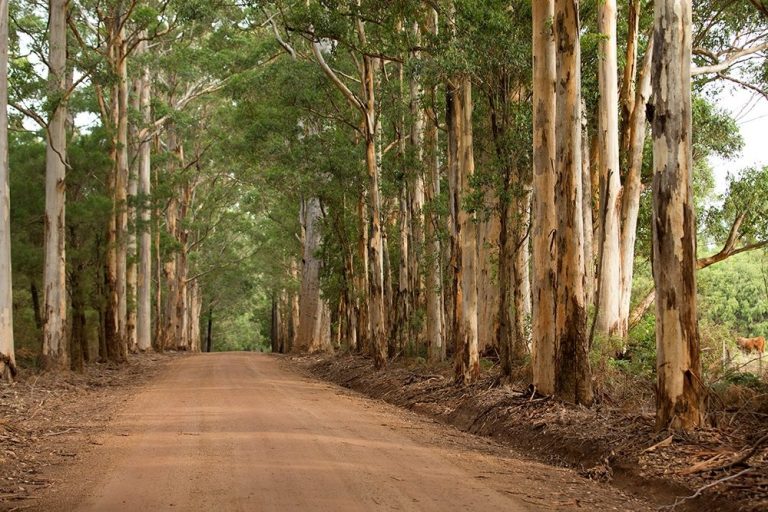
According to the report, research in Brazil shows that converting tropical forests to farmland can cut evapotranspiration by as much as 30 percent, reducing moisture transfer from land to the atmosphere and increasing local temperatures. The publication attributes changes in rainfall patterns to these shifts, noting downstream risks to farm productivity.
The document also highlights findings that agriculture in 155 countries depends on cross-border forests for up to 40 percent of annual rainfall.
Temperature increases driven by tropical deforestation have contributed to an estimated 28,000 heat-related deaths each year between 2001 and 2020, according to another study cited in the report. Rising temperatures between 2003 and 2018 in deforested regions reduced safe working hours for as many as 2.8 million outdoor workers.
Conversely, standing forests provide cooling benefits that reduce heat stress for crops and rural communities. The report states that these cooling effects can help maintain farm labor productivity and reduce heat-related health risks.
The path to climate resilience
The publication notes restoring half of the world’s lost tropical forests could lower land surface temperatures by about 1.8°F, helping reestablish water-cycle and climate-regulation functions essential to agriculture and water security.
Forests also support pollination, biological pest control, nutrient cycling, and erosion control, all of which contribute to crop performance, according to the publication.
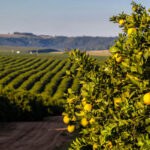
The authors call for integrating trees into agricultural landscapes through shelterbelts, riparian buffers, and forest patches. They describe these measures as part of broader agrifood system solutions for climate adaptation and mitigation presented by FAO at COP30.
Finally, the report urges governments and organizations to coordinate biodiversity, environmental management, agriculture, water resources, and public health policies. It argues that recognizing the links between forests and agriculture is key to maintaining ecosystem health and supporting farming communities.
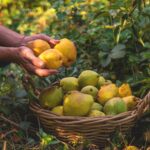
*Featured photo by FAO.
Related stories
Fruits of change: FAO pushes to put farming at the core of COP30 talks





Subscribe to our newsletter