
Pionero INTA: The Argentine nectarine that can live for over 47 days

Written and reported by Camila Gutiérrez | Lee esta noticia en Español

Argentina’s National Institute of Agricultural Technology (INTA) released the Pionero INTA nectarine, which it says is the first in the country, and one of the few worldwide, with a postharvest shelf life of more than 47 days.
In a statement announcing the news, the institute said the nectarine’s long shelf life and flavor profile make it a well-suited fruit for international markets, since nectarines are perishable fruits that must be refrigerated at 0°C to extend their shelf life and rarely tolerate more than 14 days in cold storage while maintaining acceptable quality.
According to Gerardo Sánchez, breeder of the cultivar and researcher at INTA San Pedro, the Pionero Inta “overcomes the physiological barriers that prevent most varieties of this highly perishable crop from reaching distant markets by sea.”
Pionero INTA: The Export-Ready Argentine nectarine
The exceptional postharvest life of Pionero INTA opens the door for the nectarine industry to begin shipping the fruit by sea to distant destinations such as Europe and the United States.
These are potential markets for Argentina, Sánchez emphasized, since “during Argentina’s harvest period, there is no supply of these fruits in the Northern Hemisphere.”
The agronomic management of Pionero INTA does not differ from other varieties harvested during the same period, the scientist said, an added advantage: longer post-harvest life without the need for new handling practices.
Varietal characteristics
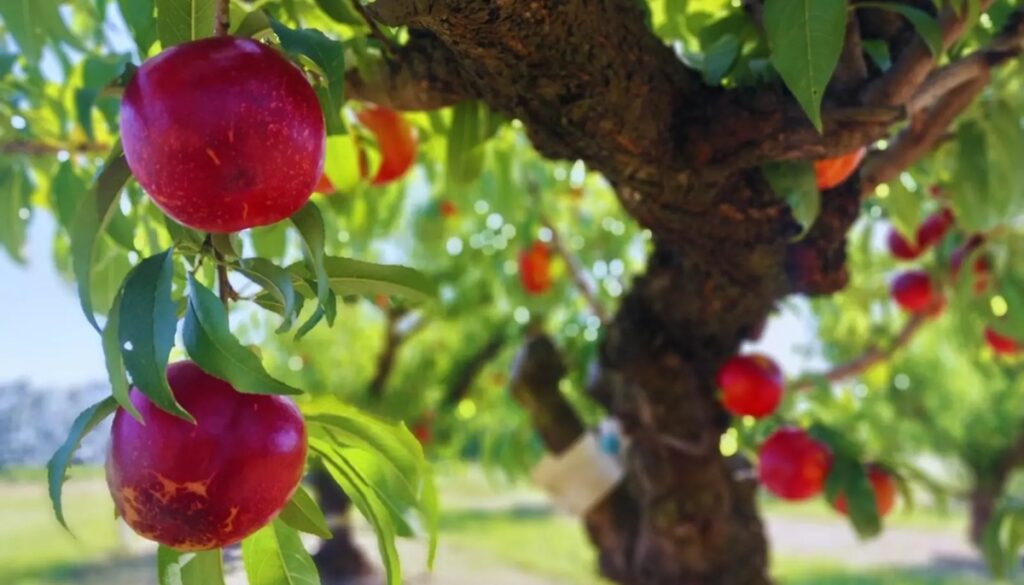
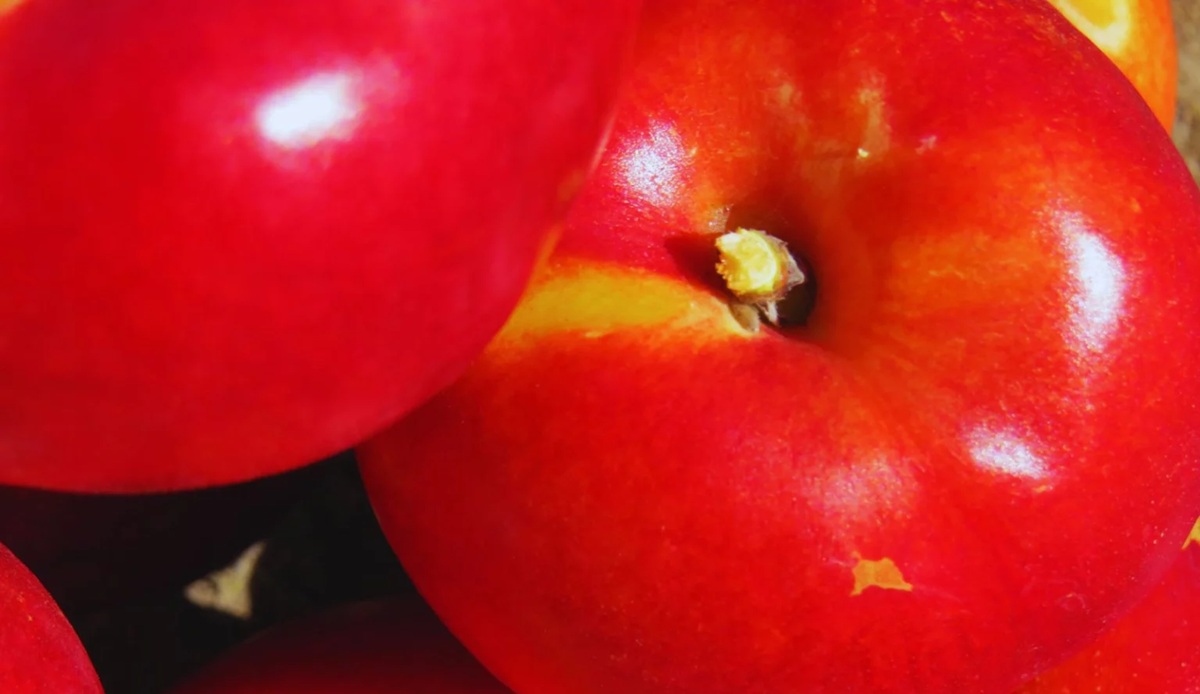
Pionero INTA produces yellow-fleshed, freestone fruits with an acidic flavor, a pH of 3.58, and 13.8 °Brix. The skin is about 70 percent matte, with a red tone.
Its chilling requirements make it an early-blooming variety in Argentina’s San Pedro region and also suitable for warmer areas of the country, INTA noted. Harvest of the variety typically takes place in early November, and the trees have intermediate vigor and produce medium-sized fruit.
Valentini added that the cultivar’s adaptability to other regions will be evaluated using behavior models based on artificial intelligence. The variety is already registered and ready for licensing.
Photos: INTA.
Related stories:
European Union's peach and nectarine consumption to ramp up over the next decade



Subscribe to our newsletter