








California Avocado Commission urges changes to USMCA amid oversupply and pest concerns
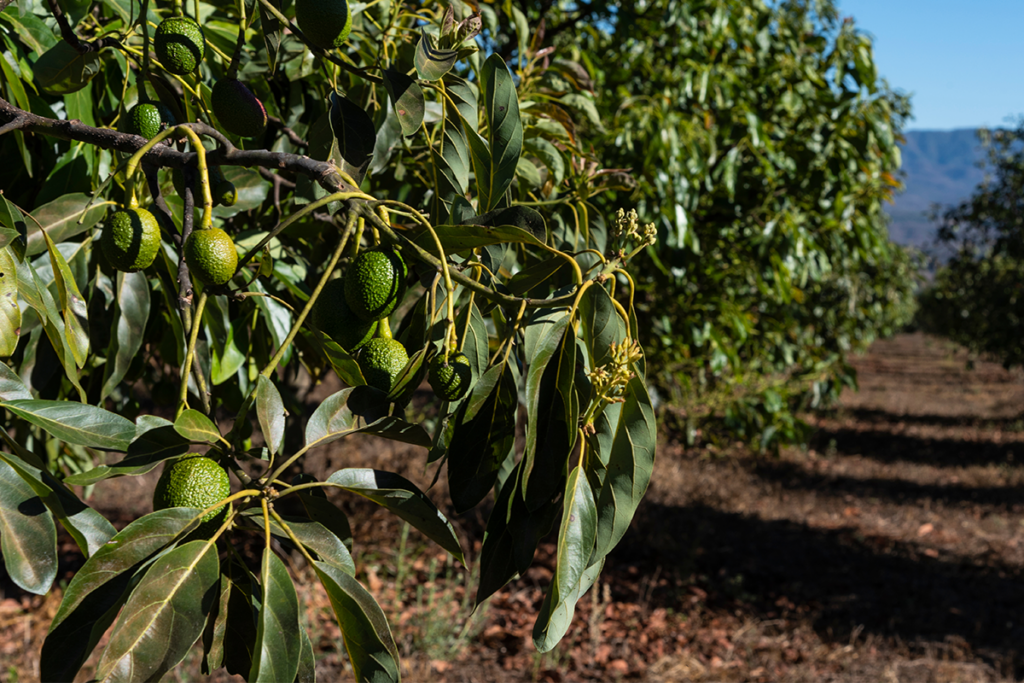



On December 3, Ken Melban, President of the California Avocado Commission (CAC), addressed the federal review committee in Washington, DC, tasked with reforming the United States-Mexico-Canada Agreement (USMCA). In his presentation, the industry representative urged the committee to act on two key threats to his state’s avocado industry: pests and market oversupply.

The United States Trade Representative (USTR) must present a position report on the USMCA by early January, which will be a key component in deciding whether to extend the treaty for another 16 years, let it expire, or bring it to an early end.
The report will incorporate input from industry groups, labor, growers, importers, exporters, and other stakeholders regarding the future direction of the agreement.
California avocado market’s overflow and pest threat
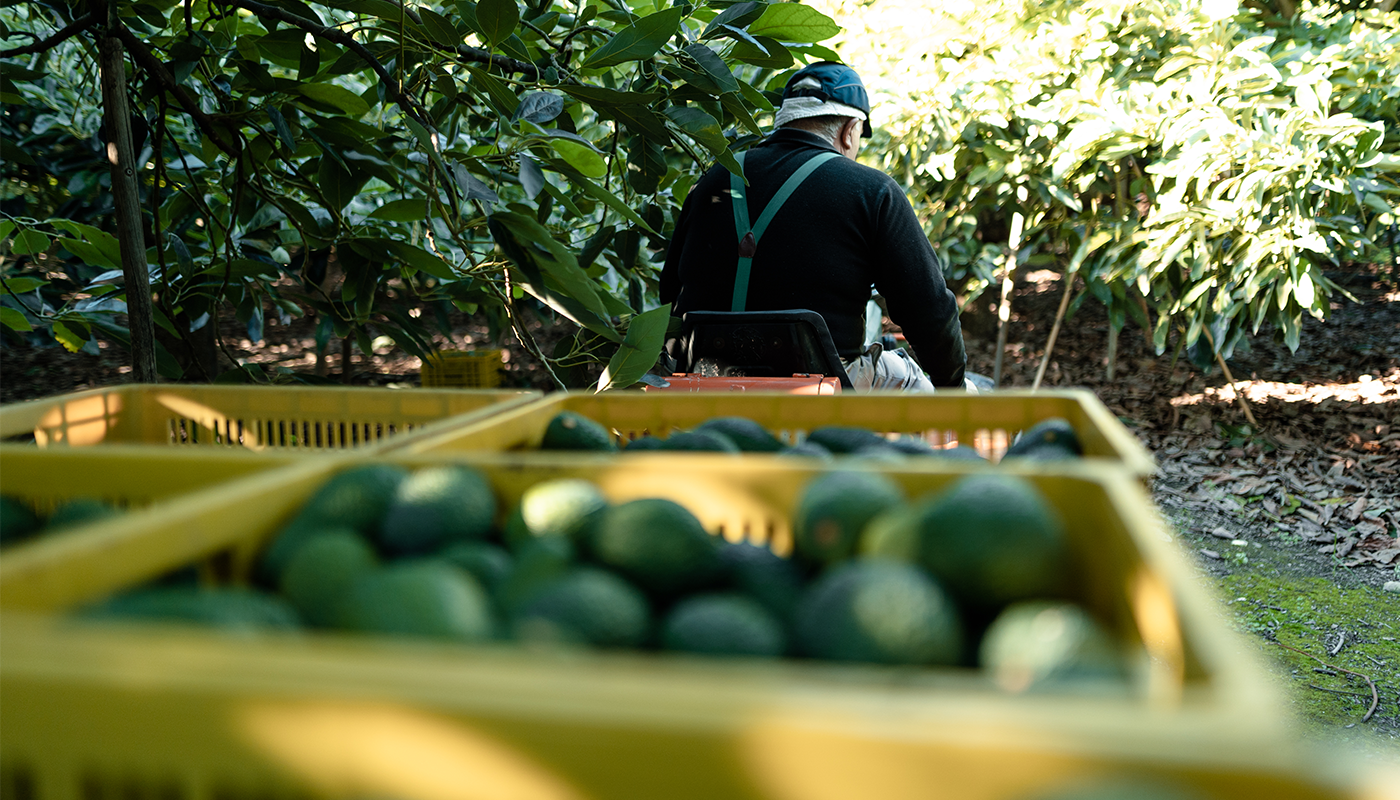
The CAC, which represents about 3,000 avocado growers in the Golden State, reports that a sharp rise in low-priced avocado imports from Mexico, Peru, and other countries has significantly impacted the state’s avocado industry.
Melban stated that over the past two decades, the number of avocado growers in California has declined by 55 percent, while local production has experienced a 46 percent drop. Despite an overall market trend leading to higher avocado prices, returns have continued to fall.
“This past season, due to import pressures, our average grower price sank to $1.08 per pound In August, a level no California grower can sustain for long,” Melban said.
In addition to the impact increased imports have had on local avocado growers, the industry representative noted that the sector now faces a serious risk of pest infestation.
He explained that after cartel threats forced the replacement of US Animal and Plant Health Inspection Service (APHIS) personnel in Mexico by local inspectors in 2024, imports continued at the same pace, but pest risks increased, as interceptions increased dramatically. Additionally, the inspection system became more vulnerable to cartel influence.
“As a sign of how deficient the system has become, when APHIS conducted the in-field inspections prior to 2024, pest interceptions in the packinghouses were rare,” Melban said. “After the APHIS inspectors were withdrawn, over 150 pest interceptions were reported in just a four-month period.”
California avocado two-part USMCA solution
To address the risk of infestation and the impact of low-priced imports, the CAC leader proposed a two-part solution: fully reinstate all APHIS inspection requirements as set out in 1997’s Operational Work Plan (OWP), and impose a tariff-rate quota under Section 232 of the Trade Expansion Act of 1962.
The OWP established the framework for importing fresh Hass avocados into the United States. Under the agreement, Mexican orchards producing avocados for the US market were inspected by the USDA-APHIS before harvest, and the fruit was reinspected at Mexican packinghouses prior to shipment.
According to the California Avocado Commission, this protocol was disrupted in mid-to-late 2024 when all USDA agents were withdrawn from Mexican avocado orchards, leading to a spike in pest interceptions.
To stop this, Melban told federal officials that “all APHIS inspection requirements should be fully reinstated and memorialized in the USMCA; and the Mexican government, not our industry, should bear the responsibility for fixing the cartel concerns.”
“If the Mexican government fails to ensure the safety and integrity of the process, US access should be shut down until those risks are adequately solved,” he added.
To address market oversupply, Melban suggested implementing a tariff-rate quota (TRQ) on fresh avocado imports during California’s March-September marketing season to help stabilize the industry.
“The most effective approach would be TRQs imposed under Sec. 232 of the Trade Expansion Act so that all imports are covered,” he said. At a minimum, he urged, there should be a seasonal TRQ on Mexican avocados.
“Because foreign avocado production is in significant oversupply and US consumption is flat, the downward trends in our industry have no chance of abating on their own,” he emphasized.
Related stories:
US Produce industry speaks up: The potential impact of the upcoming USMCA agreement review
California avocado season extending to early fall on robust harvest
Avocado volumes poised to smash 3 billion pound record in 2025


Subscribe to our newsletter