
US mango demand soars and sets pace for 2026 growth


Lee esta noticia en Español. | Writing and reporting by Macarena Bravo.

Since their introduction to Floridian soil in the early 1830s, mangoes have moved from the margins of the produce aisle to the center of a variety of recipes. And numbers back it up, as imports climbed to record levels in 2025, according to the National Mango Board (NMB).
Shipments into the United States surpassed 140 million boxes for the first time last year, setting a new industry record, the NMB says. Per capita consumption now stands at about 3.5 to 3.7 pounds annually, compared with roughly 0.2 pounds three decades ago.
“Mangoes are no longer an exotic fruit, but a staple in the American consumer's shopping basket,” says NMB Executive Director Ramón Ojeda.

A ripe moment for imports
Ojeda says strong production seasons in Mexico and Peru, along with supplies from Brazil, Ecuador, Guatemala, and the Dominican Republic, drove growth. Those six countries account for more than 98 percent of mangoes consumed in the US, supplemented by limited domestic production in Florida, California, Hawaiʻi, Puerto Rico, and southern Texas.
“The diversity of origins and production schedules has made it possible to guarantee fresh mangoes 52 weeks a year, which is essential to sustaining consumption growth,” Ojeda explains.
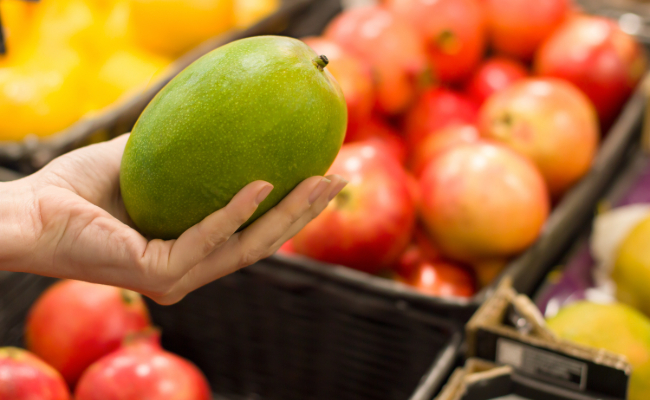
The promotion and research organization, which is affiliated with the US Department of Agriculture, marked its 20th anniversary in 2025 and received a 94 percent approval rate in its mandatory industry referendum. But the group’s efforts go beyond marketing.
“Our work does not end with promotion. We also invest in applied research to ensure that the fruit reaches consumers at their peak quality,” Ojeda says.
The executive adds that maintaining consistent quality across varieties, origins, and transit times remains a key challenge for the industry.
“A mango may be excellent at origin, but if it is harvested prematurely, mishandled in transit, or improperly refrigerated at the point of sale, the consumer experience is completely lost,” he warns.
Varieties and trends
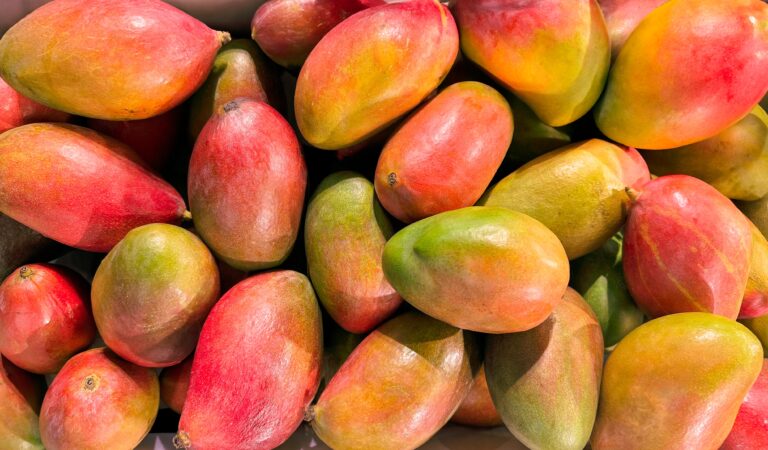
While more than 1,000 mango varieties exist globally, Ojeda says seven dominate the US market. Tommy Atkins leads the lineup, followed by Ataulfo, Kent, and Keitt. Smaller volumes of premium varieties arrive by air from Asia for niche segments.
Ojeda says consumers most often use mangoes in recipes and prepared dishes, though demand for fresh-cut continues to grow, particularly in supermarkets and convenience stores. The format appeals to shoppers unfamiliar with selecting or handling whole fruit.
The board also works with restaurants, chefs, and institutional foodservice to introduce the fruit through prepared menu items, with the goal of driving at-home consumption.
Marketing and science drive the message
The NMB runs seasonal marketing campaigns tied to health-focused messaging early in the year, Cinco de Mayo—branded as “Cinco de Mango”—and summer promotions linked to major sporting events, including the FIFA World Cup. Additional efforts target back-to-school and year-end occasions.
Ojeda says the board also maintains a year-round social media presence using audience-specific influencers to highlight flavor, versatility, and nutrition.
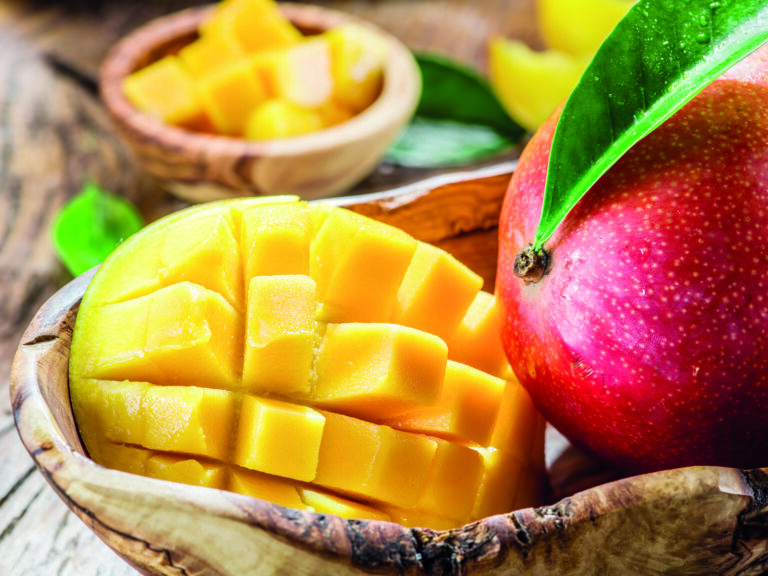
Research remains a core focus. Over the past 20 years, the board has funded more than 40 studies on quality and health benefits. Ojeda cites papers showing that daily consumption of about three ounces of mango for three months reduced facial wrinkles in postmenopausal women, a finding that drew strong consumer interest.
New studies slated for release in 2026 will examine gastrointestinal and vascular health, metabolism, and glucose control, with some suggesting consumption could help reverse prediabetes.
“We want consumers to have clear, science-based information so that they see mangoes not only as a delicious fruit, but also as a functional food,” Ojeda says.
Related stories





Subscribe to our newsletter