






After the freeze: Citrus recovery takes patience, drainage, and timing
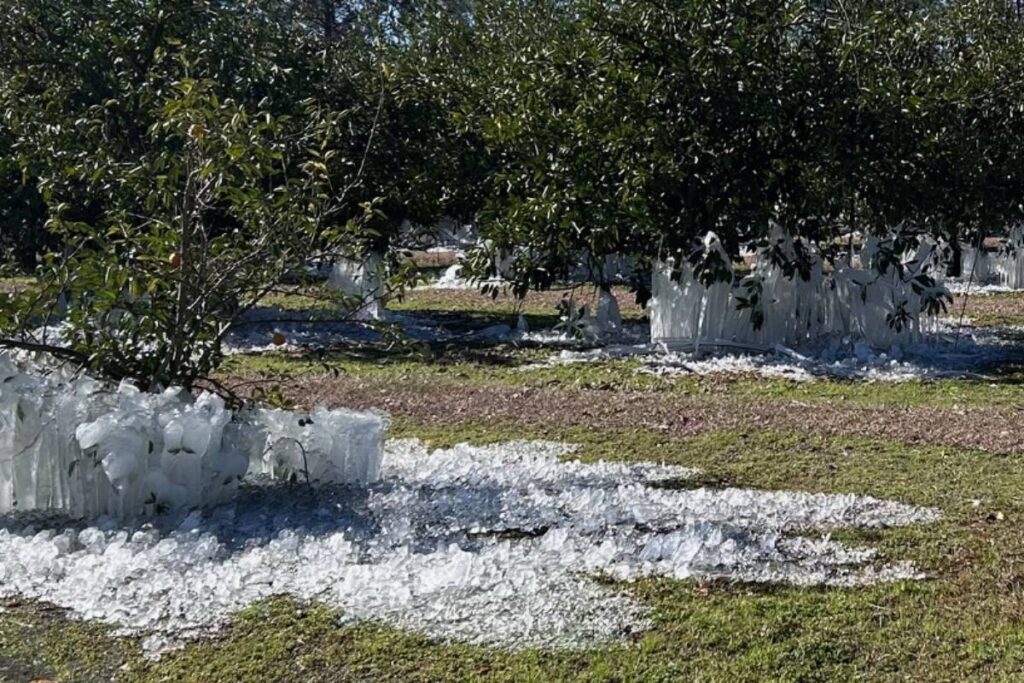

As Florida citrus growers emerge from recent extreme freeze events, specialists and industry leaders agree on one key message: post-freeze treatment is less about quick fixes and more about timing. Decisions made in the weeks following a cold snap such as Winter Storm Fern will undoubtedly influence tree health, fruit quality, and marketability well into spring and summer, experts warn.

With additional bad weather still a possibility, University of Florida’s Institute of Food and Agricultural Sciences (UF/IFAS) researchers are urging growers to slow down recovery efforts, manage excess water carefully, and wait for stable conditions before resuming any treatments, including irrigation, fertilization, and growth stimulation.
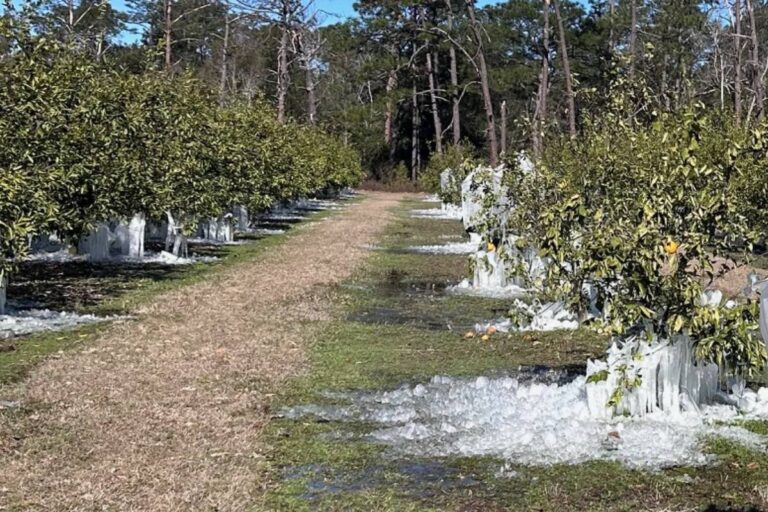
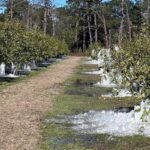
Photo by Georgia Grown Citrus.
Chill out before the flush
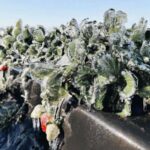
In conversation with AgNet Media’s Citrus Industry, UF/IFAS citrus horticulture production assistant professor, Flavia Zambon, said growers should resist the urge to act immediately after a freeze. “The first thing you need to do is wait, because if you try to recover trees right after a freeze, you’re going to put more stress on them. And since it is mid-winter, we don’t know if we’re going to have another freeze,” Zambon explains.
She warns against irrigating or fertilizing trees right after cold damage, noting that these practices can stimulate new vegetative growth that remains highly vulnerable to additional freezes.
“But if you start watering and fertilizing trees right now, you’re just going to push a new flush,” she says.
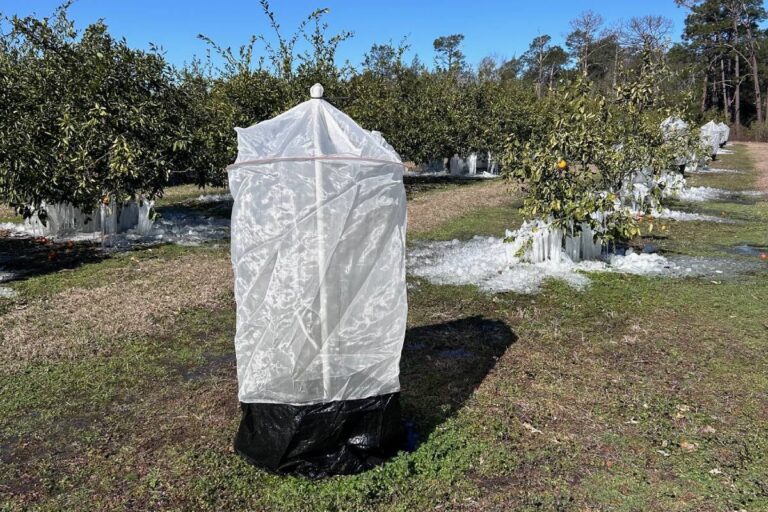
Photo by Georgia Grown Citrus.
Zambon advises growers to wait for warmer conditions before resuming irrigation and to consider reducing fertilization if canopy loss becomes evident. She says fertilization should not resume until late February or early March.
While trees recover slowly, fruit damage may take even longer to fully reveal itself. UF/IFAS postharvest technology professor Mark Ritenour says internal injury often lags behind visible symptoms. The academic participated in a Q&A session hosted by UF/IFAS ahead of the cold blast.
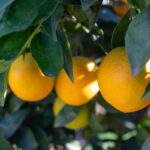
“To really be able to look at it in terms of trying to grade out the freeze damage, you’ve got to wait about four weeks before some of the internal tissue will dry out enough and do a density separation on the fruit,” Ritenour told AgNet.
He adds that freeze-damaged fruit typically carries a shorter shelf life, which may require changes to marketing strategies.
“After a freeze, you want to be able to go to local markets,” Ritenour stresses. “Some of the tissue is going to be injured, and whenever you have injured peel, it’s going to decay and break down faster.”
Drain first, treat later
For growers who rely on irrigation to protect trees during extremely low temperatures, post-freeze treatment now starts with draining the grove.
“You don’t want to use any more water than you need to, for conservation purposes as well as preventing root rot. You’ve got to get that field drained of water,” says Lindy Savelle, executive director of the Georgia Citrus Association.
The industry leader says standing water can suffocate roots and increase the risk of phytophthora. Often called water molds, they thrive in wet conditions and are responsible for some of the most devastating plant diseases in history, such as Potato Late Blight and Root and Crown Rot.
“Citrus doesn’t like wet feet. It doesn’t like to be mucky,” he says. “The sooner that we can get the water off the tree roots, the better it will be for the tree.”
Savelle, who farms in Thomas and Mitchell counties in Georgia, says his operation applied 14 gallons per hour per tree for 48 hours during the freeze. He cautions that some freeze damage may not surface for months.
“You’re going to have dieback on tree limbs. You just need to give that time to surface,” Savelle adds. “It could be well into the summer before you see all of the damage.”
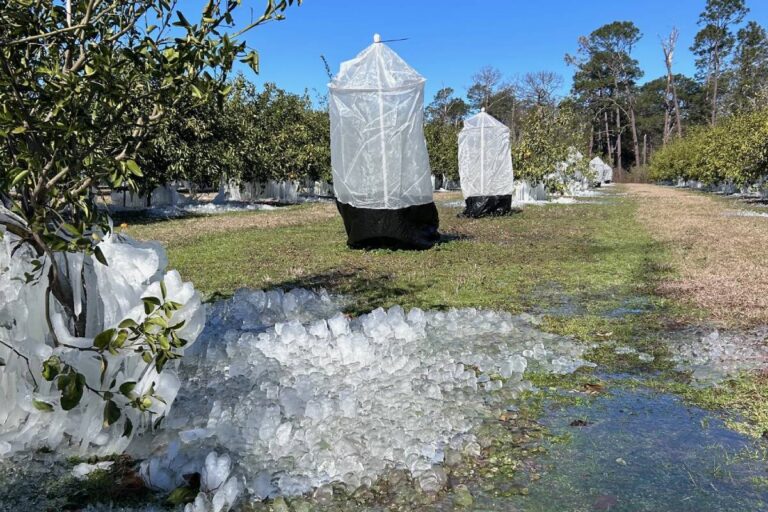
Photo by Georgia Grown Citrus.
Looking ahead to the next growth cycle, UF/IFAS associate professor of horticultural sciences and citrus extension specialist, Tripti Vashisth, says freeze events often eliminate early blooms, but that outcome may not be entirely negative. She was also present at the UF/IFAS Q&A session in preparation for the weather event.
The academic explains the freeze may help synchronize flowering rather than reduce yield potential. Vashisth expects bloom in the first week of March. “But if there is a situation where there are not many flowers on your tree […] you can put out a gibberellic acid (GA) spray to help with fruit retention,” she says, adding that UF/IFAS will issue advisories on application timing.
UF/IFAS guidance also points to silicon as a longer-term tool for freeze resilience. Research shared with growers indicates the substance works best as a preventive input applied well before winter, with post-freeze applications used gradually to support recovery rather than as an emergency measure.
Across groves and regions, specialists emphasize that post-freeze treatment is a long game. Managing water, delaying inputs, and letting trees declare their damage before taking corrective action remain the foundation for recovery—even when the temptation to act runs high.
*Featured photo by Georgia Grown Citrus.
Related stories
Florida blueberry crop losses near 50 percent following Winter Storm Fern, expect price spike
Berry growers in North and Central Florida face the devastating effects of the latest cold snap
“Our red bet came up”: Florida blueberry industry faces major losses after historic freeze







Subscribe to our newsletter